
The National Bolshevik Experiment
LimonovThis thread follows the creation, culture, internal divisions, repression, and afterlife of the National Bolshevik Party.
increasing Bearing strength in each event
 decreasing
Bearing strength in each eventdecreasingA Name and a Flag
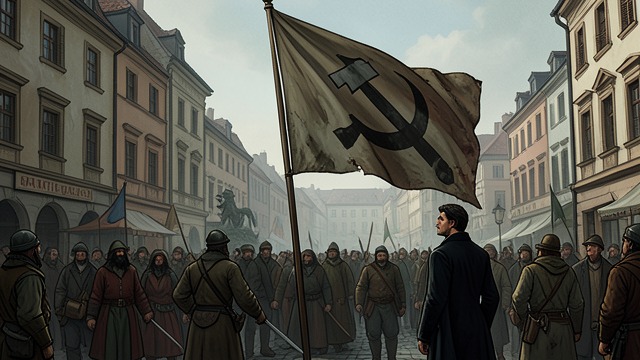
Inventing a Radical Emblem
A political friendship
Limonov met Alexander Dugin through nationalist circles and found in him a gifted storyteller and intellectual guide. Together they imagined a movement that joined revolutionary and imperial traditions rather than accepting ordinary political categories.
A deliberately provocative design
The National Bolshevik Party and its newspaper Limonka adopted symbols and language intended to shock. The visual mixture of hammer and sickle with a form recalling Nazi imagery embodied the movement’s deliberate assault on respectable political boundaries.
A Newspaper in the Provinces
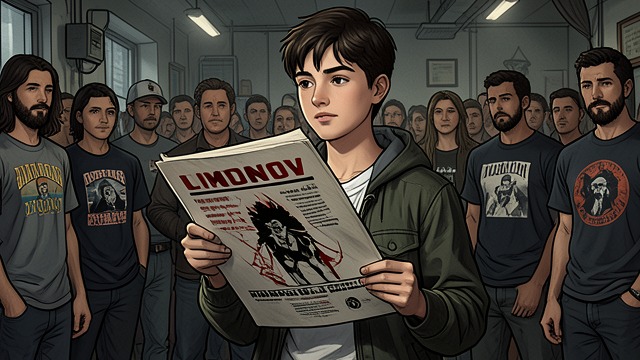
A Counterculture Finds Readers
Reaching the neglected young
Copies of Limonka traveled to provincial cities, where young readers encountered a political paper unlike official media or familiar liberal opposition publications. Its style joined punk provocation, literature, music, and anger at social humiliation.
Identity before program
For many recruits, the movement’s immediate appeal was belonging rather than a detailed policy platform. Limonov’s books and public persona made the party’s leader seem like an older comrade who understood their contempt for a failed transition.
Dugin’s Intellectual Wing
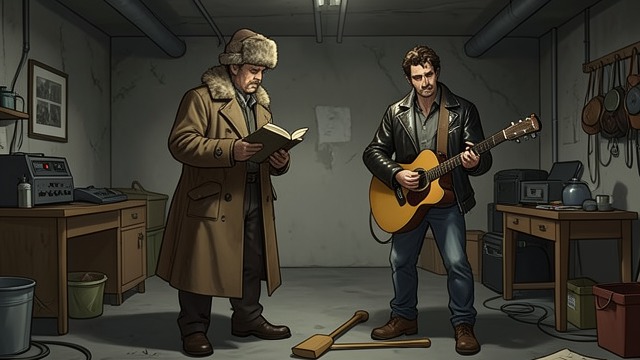
Two Movements in One Basement
Competing ideas of the party
Alexander Dugin’s followers favored abstract doctrine, esoteric history, and a disciplined ideological culture. Limonov’s recruits were more likely to be punk musicians, provincial outsiders, and young people drawn to direct action.
A widening divide
The two groups regarded one another with increasing contempt. Dugin eventually left to pursue geostrategic work, leaving Limonov with a more populist and countercultural organization.
The Youthful Membership
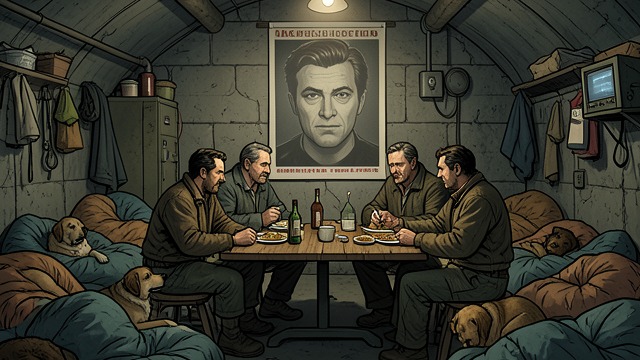
A Gang and a Home
Life in the bunker
The party headquarters mixed political work with music, sleeping bags, dogs, arguments, and shared food. Provincial members who felt frightened and out of place in Moscow found a community in which unusual identities and roughness were accepted.
Loyalty and risk
Members showed loyalty through demonstrations, arrests, and willingness to endure state pressure. The same intensity that made the party meaningful also made it difficult for recruits to build conventional lives without eventually leaving.
Illegalization and Protest
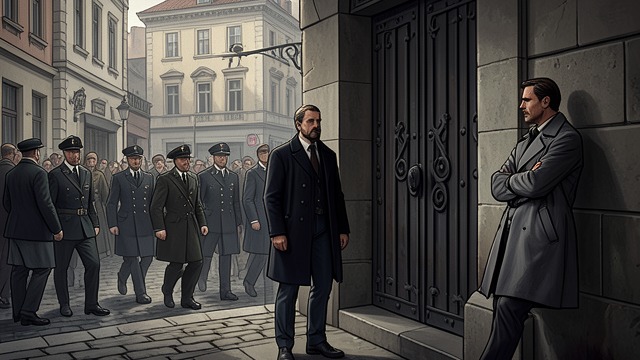
The State Narrows the Space
Denied legal status
The authorities refused to register the National Bolshevik Party under laws against extremism. Limonov warned officials that blocking legal politics could push young people toward more radical action, while insisting the party had not become a terrorist organization.
Small actions, heavy penalties
Party activists staged confrontational but often nonviolent protests and were arrested or imprisoned. The mismatch between their limited actions and the severity of punishment became central to the party’s claim that the state feared genuine opposition.
Early 1990s, in Moscow
1994–1995, as Limonka began circulating
Mid-to-late 1990s, at the party bunker
Late 1990s, during the party’s expansion
2000–2005, under Vladimir Putin
