
Limonov and the Balkan Wars
LimonovThis thread follows Limonov’s movement from literary visitor to committed Serbian partisan and his contested place in wartime violence.
increasing Bearing strength in each event
 decreasing
Bearing strength in each eventdecreasingThe Invitation to Vukovar
A Writer Sees War
Choosing the front
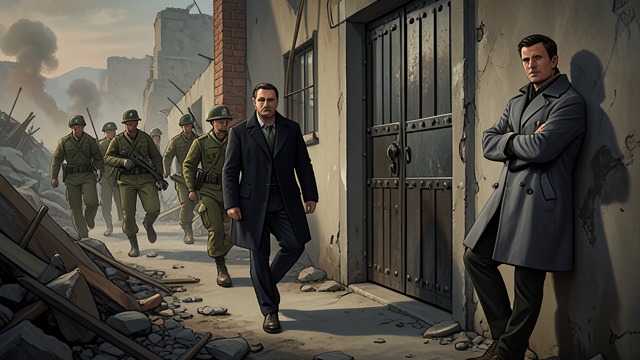
Invited to Belgrade for a book launch, Limonov accepted an offer to visit the Serbian forces near Vukovar. He was nearing fifty and believed that a man should experience war at least once.
An unequal account of the conflict
He entered a landscape shaped by shelling, checkpoints, and competing national claims. The Serbian military’s role in the siege did not make him reconsider the partisan narrative offered to him; the experience of armed life itself drew him in.
The Pleasure of War
Discovering the Front
Brotherhood and danger
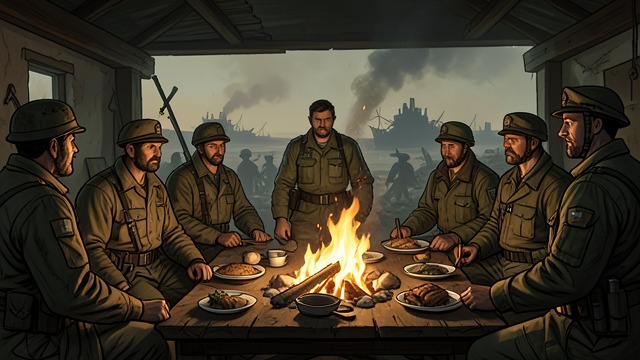
Limonov felt at home in camps of armed men, among fires, rough food, and the possibility of death. He described war as a source of intensity that ordinary civilian life could not provide.
A dangerous romance
His attraction to combat did not rest only on political belief. It also fulfilled a childhood fantasy of military brotherhood, giving war an emotional and bodily appeal that made its moral costs easier for him to overlook.
The Friendship with Arkan
A Warlord as Brother
Shared political language
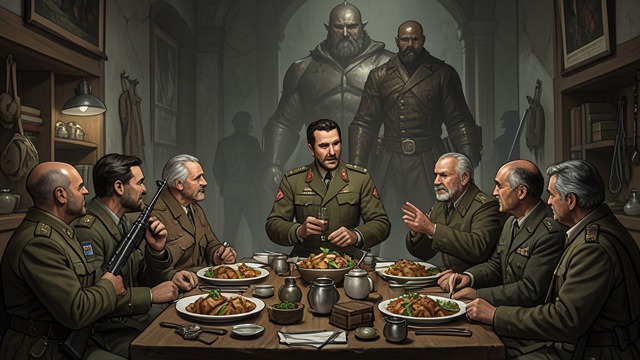
Limonov met Arkan and found common ground in hostility to Western policy, Gorbachev, and the political leaders they blamed for national weakness. He asked to join as a Russian volunteer and was welcomed into the orbit of the Serbian fighters.
Loyalty to a brutal ally
Limonov’s attachment to Arkan continued even as accounts of the militia’s cruelty circulated. He remembered the relationship through comradeship and nostalgia, a perspective that left the prisoners and civilians under the militia’s power at the edge of his story.
The Machine Gun Footage
The Moment on Camera
A staged invitation to fire
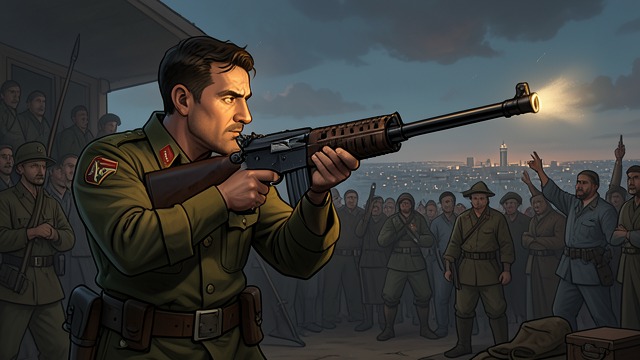
In Pawel Pawlikowski’s documentary, Limonov accepted a soldier’s offer to fire a machine gun toward Sarajevo. The footage showed him handling the weapon with the excitement of a child receiving permission to play at war.
The image becomes an indictment
The film circulated as evidence of his closeness to the besieging forces, though the footage did not establish that he aimed at people. The scene damaged his standing in Paris and forced readers to confront the distance between his heroic self-image and his visible conduct.
A Prisoner’s Hatred
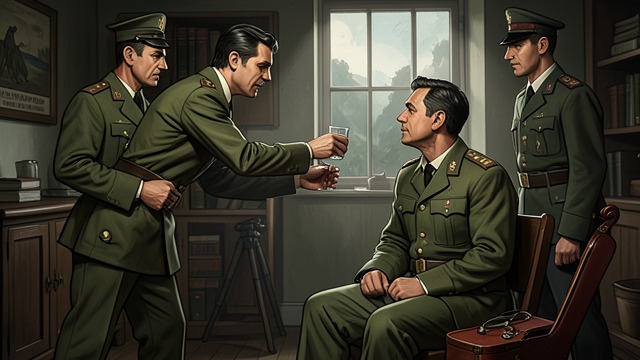
A Failed Gesture of Consolation
The captive violinist
At a banquet, Serbian officers made a Muslim prisoner play a song associated with burning Muslim homes. Limonov offered the prisoner alcohol, apparently intending kindness, but the prisoner refused for religious reasons.
Complicity in the scene
A Serb then insulted the captive, and Limonov felt ashamed, later trying to explain himself. The episode remains troubling because even his account of good intentions places him within a setting where humiliation was normal and the captive had little power to refuse.
November 1991, during the Croatian War
Late 1991, among Serbian forces near Vukovar
1991–1992, during Limonov’s visits to Serbian positions
1992, on the hills above Sarajevo
Early 1990s, at a Serbian officers’ banquet
