
The Other Russia and the 2008 Election
LimonovThis flow follows Limonov’s brief coalition with democratic opposition figures and the retreat of his electoral hopes.
increasing Bearing strength in each event
 decreasing
Bearing strength in each eventdecreasingThe Opposition Coalition
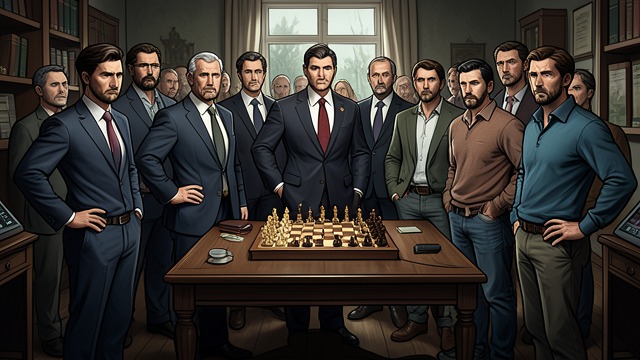
An Unlikely Alliance
A new political grouping
After meeting with Garri Kasparov and other opposition figures, Limonov became part of The Other Russia. The coalition brought together a chess champion, former officials, human-rights activists, and a radical nationalist writer.
Shared opposition, unlike beliefs
The alliance united its members against Vladimir Putin’s political dominance, not through agreement on democracy or liberal values. Limonov’s participation placed him among people whose moral language he had often mocked.
A Press Conference of Hope
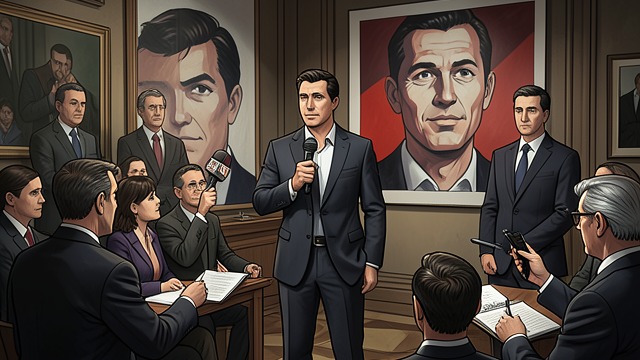
Democratic Possibility and Doubt
Kasparov’s argument
At a press conference, Garri Kasparov presented the upcoming election as a historic opportunity for a democratic opposition. Foreign journalists listened for signs of a movement that might challenge the Kremlin.
A realist’s correction
A British reporter predicted that Vladimir Putin would respect the formal term limit by installing a successor and returning later. The prediction restored the sense that Russia’s political rules favored continuity over a genuine transfer of power.
A Star Among Protesters
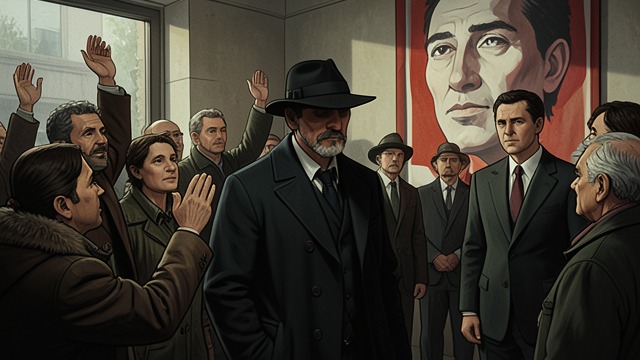
Popularity Without a Mass Base
The public persona
Limonov attracted journalists and admirers who valued his energy, books, and audacity, even when they would not vote for him. His image combined outlaw, writer, and opposition leader.
A contradiction in reception
Many Russians did not interpret his party’s symbols as Western observers did. His popularity revealed a gap between foreign judgments of fascism and local appreciation of a provocative figure who seemed to stand outside ordinary political cynicism.
Kasparov as Competitor
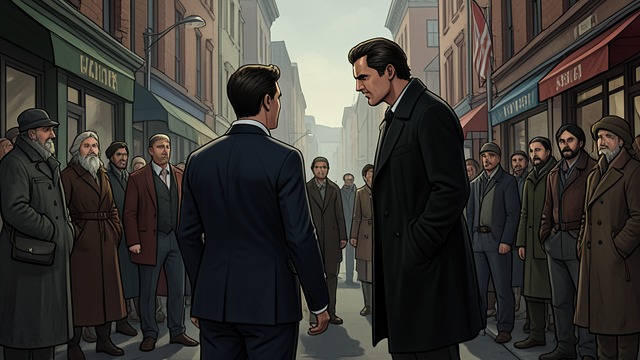
Alliance Turns into Rivalry
The coalition fades
The Other Russia did not become the unified electoral force its supporters hoped for. Garri Kasparov faced pressure and did not make a viable presidential run, while the movement lost momentum.
A smaller contest for attention
Limonov pursued his own opposition initiatives and measured success partly by audience and visibility. His rivalry with Kasparov was less a clash of programs than a struggle over who would represent resistance to the Kremlin.
The Constitutionalist Opponent
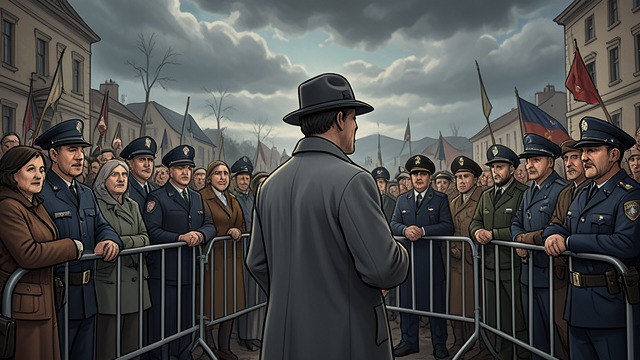
A Radical Defends a Right
Article 31 as a rallying point
Limonov helped organize demonstrations on dates containing thirty-one days, invoking the constitutional right to assemble. Small crowds met a far larger police presence, and activists were repeatedly detained.
An incongruous political role
The writer who had dismissed human-rights language now stood beside democratic activists defending it. Carrère presents this not as a conversion but as a consequence of a political landscape in which opposition to Putin made unlikely allies share a narrow public space.
2006–2007, in Moscow
2007, before the planned presidential election
2006–2007, in Moscow’s media and political circles
2008–2009, after The Other Russia stalled
2009, during Strategy 31 protests
