
Limonov’s Life in Prison
LimonovThis flow traces how Limonov converts incarceration into a disciplined literary and spiritual experience while remaining bound to prison life.
increasing Bearing strength in each event
 decreasing
Bearing strength in each eventdecreasingThe Arrest in the Altai

The Raid
A planned retreat interrupted
Limonov returned to the Altai Mountains expecting to resume a quiet camp life with party members. Instead, armed security forces raided the cabin, arrested him, and searched for weapons that they did not find beyond hunting rifles.
An ally revealed as adversary
On the journey away, he learned that the FSB colonel overseeing the operation had previously staged actions against his party. Their conversation exposed the state’s double game: the officer admired Limonov while helping imprison him.
Isolation at Lefortovo

Discipline Against Isolation
A prison designed to empty time
At Lefortovo Prison, Limonov faced strict isolation and the numbing routines of television, locked cells, and limited exercise. Other prisoners often withdrew from the small opportunities to move or go outdoors.
Work as resistance
Limonov demanded daily exercise and established an early schedule of reading and writing. The discipline gave time a shape and helped him resist the passivity the prison regime encouraged.
The Saratov Cellmates
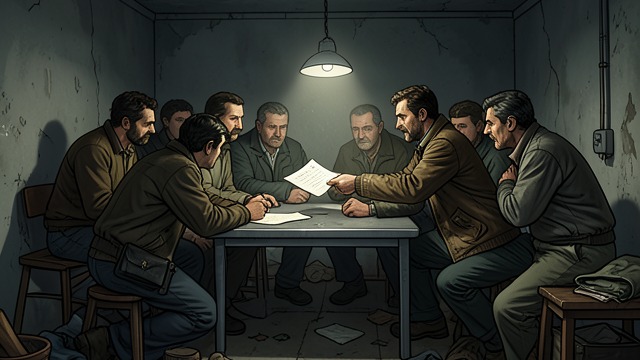
A Different Prison Community
Shared crowded life
In Saratov, Limonov moved from isolation to overcrowded cells with ordinary prisoners charged with serious crimes. He accepted the least comfortable place, followed the unwritten rules, and avoided turning celebrity into a demand for special treatment.
Recognition through conduct
His cellmates came to regard him as practical, helpful, and dependable. He wrote stories about their lives, becoming less absorbed in his own image and more attentive to people whose experiences he might once have dismissed.
The Trial and Refusal
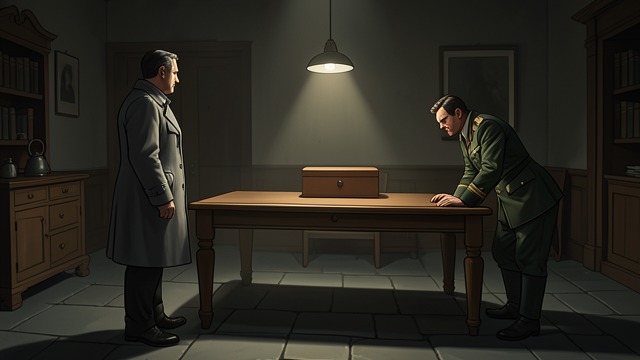
The Threat of a Long Sentence
Severe charges
The prosecution charged Limonov with terrorism, participation in an illegal armed group, weapons offenses, and extremism. The state’s account portrayed the small Altai group as a serious security threat.
Honor against expediency
Limonov refused to plead guilty, even when a political intermediary suggested that admitting guilt might secure early release. He accepted a legal compromise that did not require a confession, preserving the identity of a prisoner who had not yielded.
Release from Engels
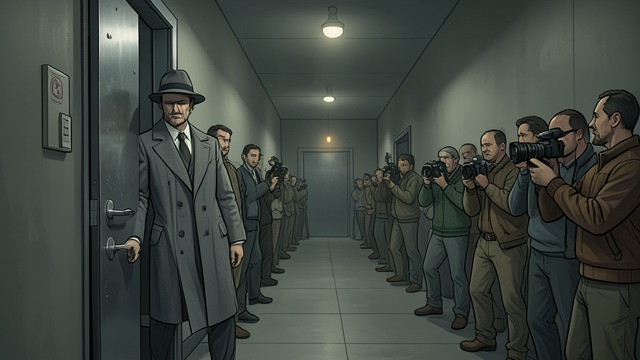
Leaving the Camp
A sentence unexpectedly shortened
After transfer to Penal Colony 13 at Engels, Limonov adapted to work routines, long roll calls, and purposeless labor. A growing public campaign and changing political calculations helped turn his case toward early release.
A complicated farewell
His release was filmed as a spectacle, and he felt that prison had become a discipline he had learned to inhabit. He left eager to see his party and loved ones, yet aware that the identity forged inside the camp could not simply accompany him unchanged.
2001, at the remote camp in the Altai Mountains
2001–2002, at Lefortovo Prison
2002–2003, during pretrial detention in Saratov
January–March 2003, in Saratov
2003, at Penal Colony 13 at Engels
