
The Biographer’s Changing Judgment
LimonovThis flow follows Emmanuel Carrère’s evolving relationship to Limonov, from fascination and moral uncertainty to an unresolved final portrait.
increasing Bearing strength in each event
 decreasing
Bearing strength in each eventdecreasingThe Old Acquaintance

An Encounter in the Literary Scene
A brief first meeting
Emmanuel Carrère met Limonov when the Russian writer appeared on Carrère’s radio program in Paris. Limonov’s unusual appearance and confident presence made an impression, but Carrère did not immediately become part of his circle.
A remembered detail
Years later, Limonov recalled Carrère’s motorcycle and the setting of their first encounter. The memory startled Carrère and suggested that Limonov’s attention and self-control exceeded what his casual manner implied.
The Moscow Assignment
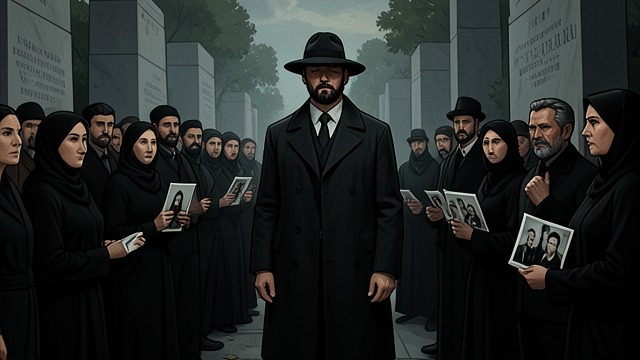
A New Reporting Subject
An unexpected sight
Carrère recognized Limonov at a memorial for victims of the Dubrovka Theater hostage crisis. The former Parisian writer was now a political figure moving among Russian opposition activists.
The project begins
Learning that Limonov had defended National Bolshevik activists praised by Anna Politkovskaya, Carrère became curious about the contradictions in his reputation. He decided to investigate rather than rely on the image of a simple fascist thug.
Writing Without a Verdict
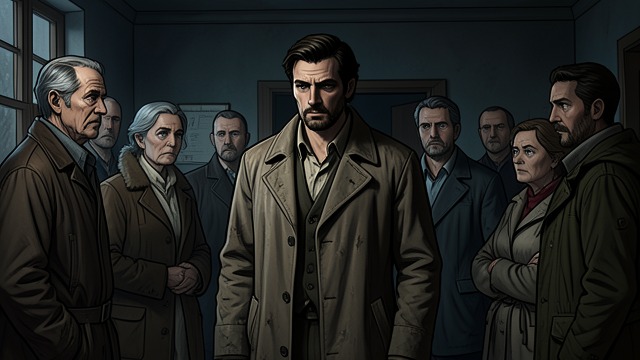
The Biographer’s Unstable Position
Conflicting evidence
Carrère encountered Limonov as writer, militant, war visitor, celebrity, and opposition politician. People who disliked his politics still described him as loyal, attentive, and capable of helping others.
Judgment held in suspension
The research made simple moral categories insufficient without making Limonov’s actions harmless. Carrère tried to understand how an abrasive, violent imagination could coexist with decency, curiosity, and genuine care.
The Failed Interview
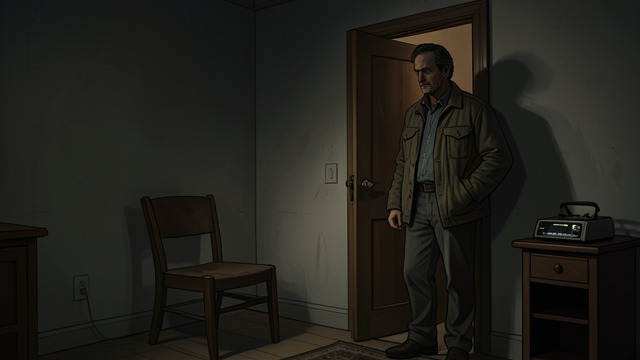
A Biographer Meets His Subject
A spare room and brief answers
Carrère visited Limonov in a modest apartment and asked about his recent life, politics, family, and writing. Limonov answered but did not ask much about Carrère, leaving the interview shaped by the imbalance between subject and biographer.
The answer at the door
When Carrère asked why he should write the book, Limonov called his own life “a shitty life.” The answer pierced Carrère’s romantic description of it and unsettled the ending he had imagined.
An Ending Left Open
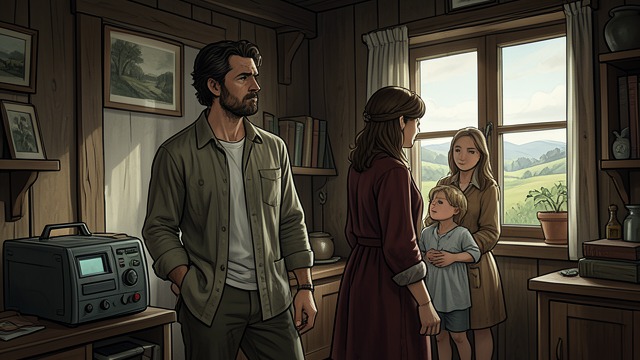
The Biographer’s Desired Ending
A domestic possibility
At a rural estate, Carrère imagined Limonov settling into a quiet life with his wife and child. The vision reflected Carrère’s own desire for a peaceful old age more than Limonov’s stated ambitions.
The answer that remains
Limonov rejected retirement and described a future among the dispossessed in Central Asia. Carrère ended without resolving whether this was a final wisdom, another self-invention, or both.
Early 1980s, in Paris
October 2006, after Anna Politkovskaya’s assassination
2006–2009, during research and interviews
Late 2000s, in Limonov’s Moscow apartment
September 2007, during the final countryside visit
