
From Warrior to Prisoner
LimonovThis thread traces the shift from Limonov’s voluntary pursuit of armed conflict to the involuntary discipline of state confinement.
increasing Bearing strength in each event
 decreasing
Bearing strength in each eventdecreasingThe Front as a Destination
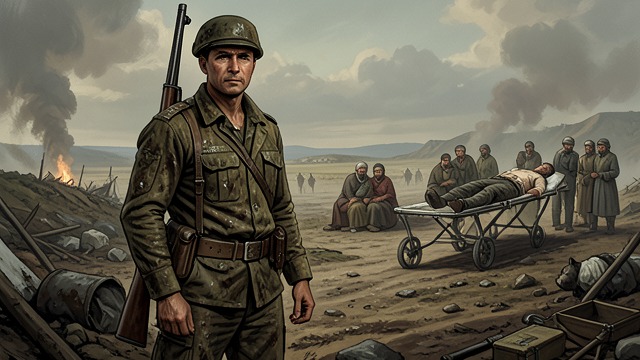
Seeking the Real War
From observer to participant
Limonov went to Vukovar and later sought service in Serbian Krajina, preferring the role of soldier to journalist. He saw combat as a way to escape ordinary life and prove that he belonged to history.
The attraction of danger
His account emphasized fellowship, adrenaline, and the experience of being close to death. The same attraction made him less responsive to the suffering of civilians and prisoners caught in the conflicts.
The 1993 Defeat
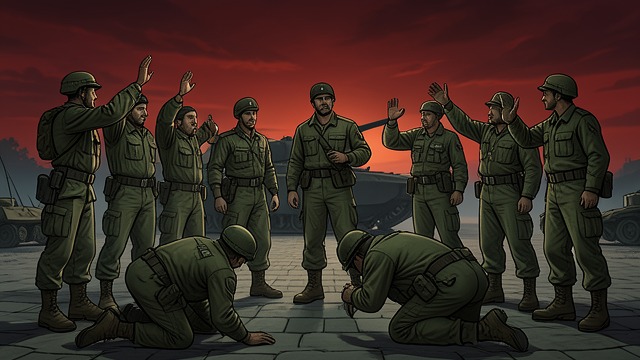
From the Front to Political Failure
The insurrection collapses
Limonov urged the defenders of the Moscow White House toward armed action but could not direct the confrontation. The government’s forces prevailed, and the opposition’s dramatic claims gave way to arrests, deaths, and retreat.
A new measure of defeat
The episode strengthened his belief that the decisive moment had been missed. He continued to imagine himself as a future revolutionary leader, now with the experience of a failed uprising added to his self-mythology.
The Altai Plan
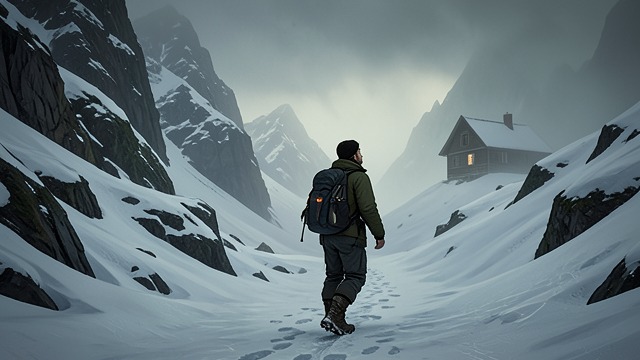
Insurgency Imagined
A remote base in rumor
Limonov’s party members believed he had established secret training camps, though the camps remained largely a myth. His expedition to the Altai combined survival practice with thoughts of destabilizing Kazakhstan.
The state closes in
The same symbolism that inspired his followers became material for the FSB’s case against him. A small group in a cabin was recast as an armed threat, and Limonov’s rhetoric met the coercive power of the state.
The Prisoner’s Routine
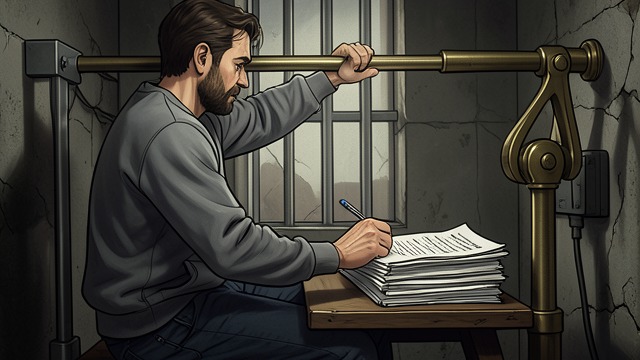
Discipline Under Confinement
Control of daily time
Prison took away movement and public action, but Limonov answered with exercise, reading, writing, and meditation. His routines made an imposed life feel like a practice he could master.
The inward counterattack
He treated punishment as material that could be transformed into writing and even spiritual experience. This did not make imprisonment voluntary or harmless; it showed how he made endurance into a source of identity.
Release into Opposition
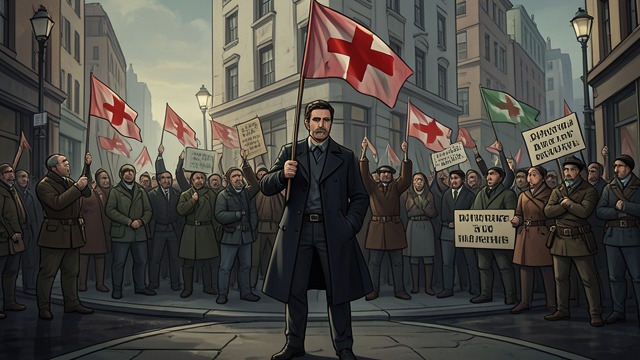
The Former Prisoner Returns
A different public standing
The prison sentence increased Limonov’s prestige among supporters and altered how the public read his books. He emerged with a story of endurance that reinforced the heroic image he had built for decades.
Conflict shifts to protest
Unable to pursue the same armed fantasies, he returned to demonstrations and opposition politics. Strategy 31 made a constitutional right the basis of confrontation, shifting the struggle from the battlefield to recurring arrests and public visibility.
1991–1993, in the Balkans
October 1993, during the siege of the Moscow White House
2000–2001, in the Altai Mountains and Kazakhstan region
2001–2003, from Lefortovo through Engels
2003–2009, after release
