
The Biographer’s Moral Conflict
LimonovThis flow follows Carrère’s struggle to describe Limonov’s contradictions without collapsing them into either admiration or condemnation.
increasing Bearing strength in each event
 decreasing
Bearing strength in each eventdecreasingThe Fascist Label
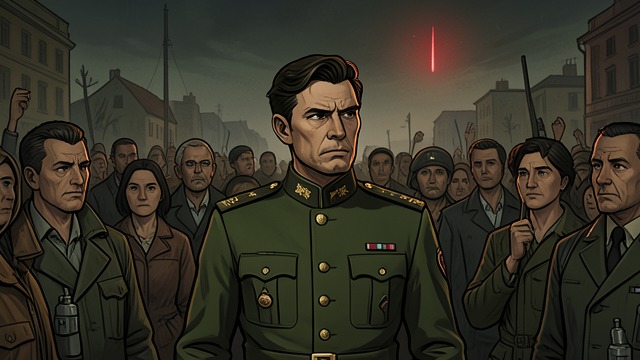
A Familiar Verdict
A political image from abroad
Carrère initially saw Limonov as a fascist leading a militia of skinheads, a judgment reinforced by images of him among Serbian fighters. The label seemed to settle the question of whether the writer was worth approaching.
Evidence complicates the verdict
Anna Politkovskaya and Yelena Bonner had defended National Bolshevik activists as courageous opponents of the Kremlin. Their support forced Carrère to reconsider how political labels operated in the Russian context.
The Charismatic Subject

Seduction and Doubt
The leader’s presence
Carrère encountered Limonov surrounded by guards, admirers, journalists, and political allies. His energy and memory were compelling, but his earlier writings offered disturbing fantasies of violence and domination.
The biographer cannot settle
Limonov could appear both like a responsible opposition leader and like a performer playing the outlaw he had once dreamed of becoming. Carrère had to preserve that instability rather than select only the admirable or repellent version.
The Problem of War
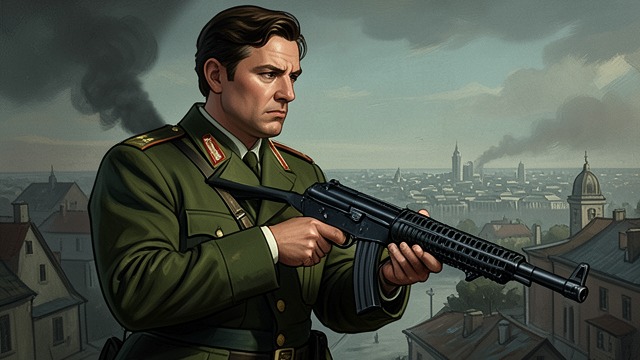
Evidence Against Romance
The camera’s testimony
Carrère watched footage of Limonov firing a machine gun toward Sarajevo and found it chilling, though it did not prove he had shot civilians. The image made the warrior seem smaller and more theatrical than his own account suggested.
The risk of false balance
Carrère examined competing claims about the Balkan wars without accepting the refrain that every side was equivalent. He used eyewitness accounts to keep uncertainty from becoming an excuse for evading responsibility.
The Prisoner’s Decency
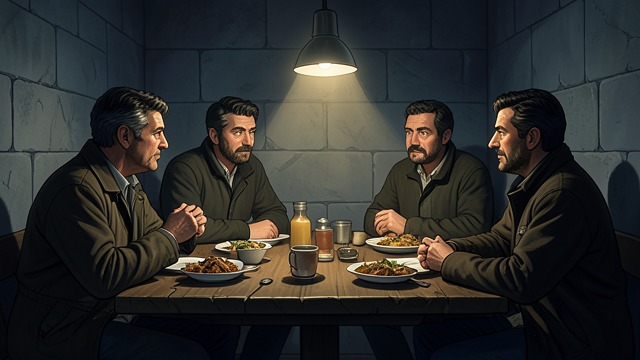
A Different Kind of Evidence
Conduct among cellmates
Accounts of Limonov in prison showed him helping, sharing, and listening to men whose crimes were grave. Olga Matitch described him as unusually decent, a judgment Carrère found difficult to reconcile with his politics.
The contradiction remains
Prison did not erase Limonov’s authoritarian imagination or his wartime choices. It did reveal capacities for attention and loyalty that prevented the biography from becoming a simple indictment.
The Unsettling Last Word
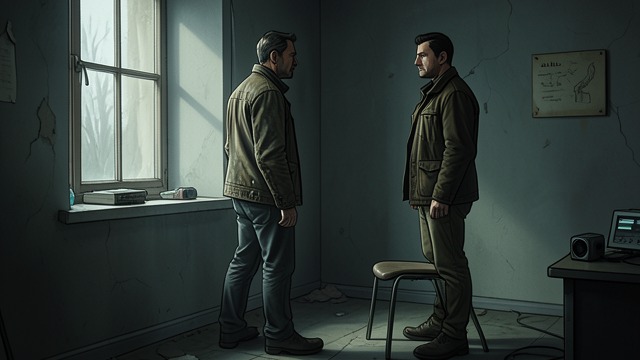
A Life Called Shitty
The subject’s judgment
When Carrère described Limonov’s life as romantic and dangerous, Limonov called it a shitty life. The blunt response rejected the heroic framing the biographer had been tempted to impose.
No final verdict
Carrère imagined domestic peace, political power, martyrdom, or spiritual wisdom as possible endings, but none could be securely assigned. The book ends with Limonov’s own preference for a marginal, kingly existence among castoffs.
2006, during Carrère’s initial research in Moscow
2006–2007, during Carrère’s Moscow interviews
During research on the Balkan chapters
During the chapters on Saratov and Engels
Late 2000s, during the final interview and countryside visit
