
Putin as Limonov’s Double
LimonovThis thread traces Carrère’s comparison between Limonov and Vladimir Putin, two men shaped by similar origins but separated by success and power.
increasing Bearing strength in each event
 decreasing
Bearing strength in each eventdecreasingParallel Origins
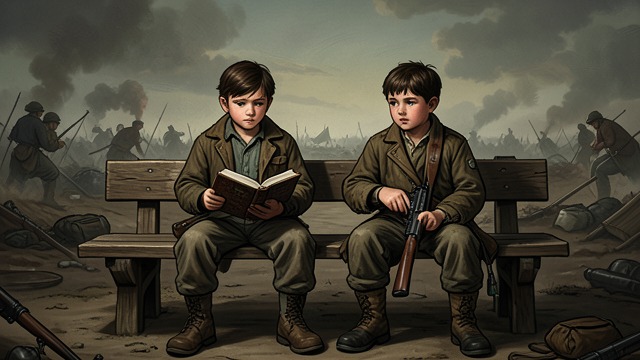
Similar Beginnings
Modest households
Carrère places Limonov and Vladimir Putin beside one another as boys shaped by modest family circumstances, cramped domestic life, and the memory of the Great Patriotic War. Both absorbed a culture of military pride and state authority.
Different routes to toughness
Each developed an image of the strong, controlled man, though Limonov pursued literary and street identities while Putin entered the security organs. The comparison makes their later political opposition resemble a contest between divergent versions of the same world.
The Lost Empire
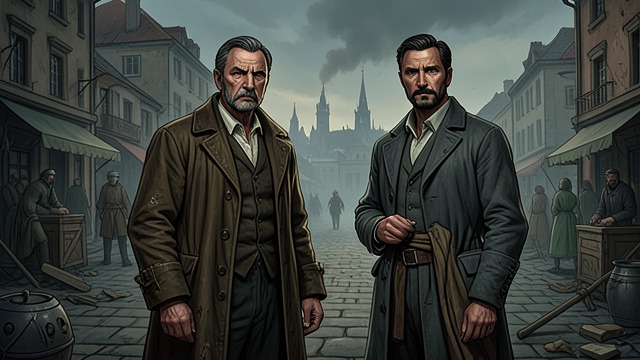
Shared Resentment
A catastrophe of status
Both men experienced the end of the Soviet Union as a loss of national strength and historical dignity. Limonov expressed that grievance through opposition journalism and party activism; Putin endured a period of personal and professional uncertainty.
Similar interpretations
Their shared nostalgia did not mean they held identical political roles. The comparison highlights a common refusal to accept the idea that Soviet life was merely a failed or criminal past.
The Chekist’s Rise
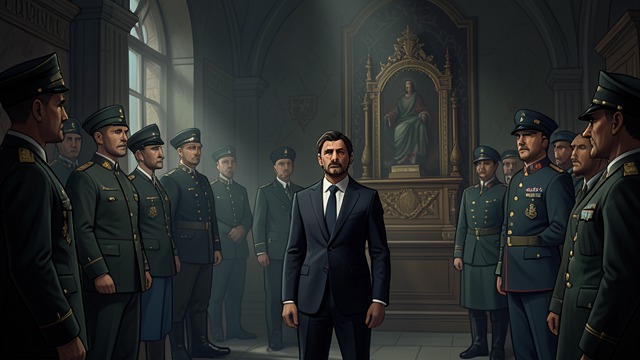
The Outsider Becomes the Boss
A former loser elevated
Vladimir Putin moved from obscurity within the security establishment to the presidency, aided by political elites seeking a dependable successor. Carrère describes the transition as a reversal of the humiliation Limonov continued to experience.
The successful double
Putin embodied qualities Limonov admired—discipline, toughness, and command—while occupying the place Limonov imagined for himself. Their resemblance therefore intensified the political and psychological rivalry between them.
Opposition to the President
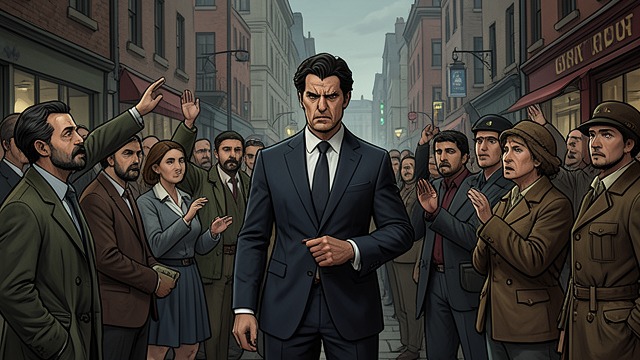
Resentment and Resistance
A regime that closes space
Putin’s government restricted the National Bolshevik Party and prosecuted activists. Limonov became an opponent of the very state authority whose security culture and historical nostalgia he partly shared.
An awkward alliance of values
In opposition, Limonov defended rights and constitutional guarantees alongside people who sincerely believed in them. Carrère emphasizes the irony that Limonov’s new public role required him to invoke principles he had often treated as liberal illusions.
Power’s Missing Place
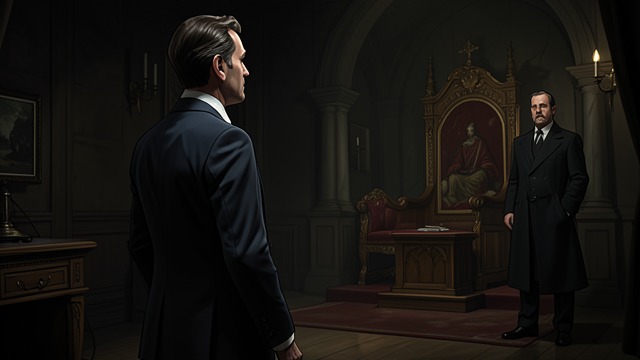
The Double Who Succeeded
A comparison that becomes personal
Carrère argues that Putin became the super-Captain Levitin of Limonov’s life: the rival who occupied the position Limonov believed he deserved. The comparison joins childhood envy to national politics.
The absent throne
Limonov could imagine himself acting like Putin if he possessed the same power, but he did not. His place was instead among the opposition, where the gap between his desires and his role remained unresolved.
Childhoods in the Soviet Union, 1940s–1960s
1991–1999, after the Soviet collapse
1999–2000, as Putin became president
2000–2009, during Putin’s consolidation of power
2009, as Carrère concluded the biography
