
The Parent and Child Across Generations
LimonovThis flow traces Limonov’s difficult relationship with his parents, from childhood admiration to return, estrangement, and belated understanding.
increasing Bearing strength in each event
 decreasing
Bearing strength in each eventdecreasingAdmiring the Uniform
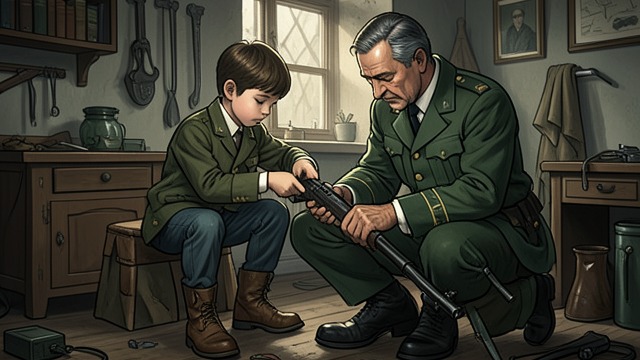
A Son’s First Hero
Rituals of admiration
Young Limonov watched Venyamin polish his service weapon and boots, treating the uniform as proof of what a man should be. His father represented order, honor, and the military world the child wanted to enter.
A model built on distance
The father’s modest rank and noncombat wartime service did not fit the boy’s imagined ideal. The affection remained real, but it was already tied to an image of authority that ordinary life would later disappoint.
A Mother Who Refused Pity
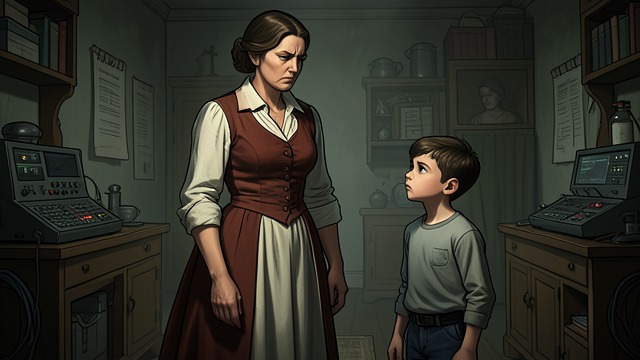
Toughness at Home
Discipline over comfort
Raya Zybin often sided with the people who had hurt her son, believing adversity would make him a man. Her response to vulnerability taught him to mistrust consolation and to value toughness.
Affection without softness
Her severity did not mean indifference, but Limonov experienced care through criticism, endurance, and practical action. Their relationship left him both wounded by her hardness and shaped by the resilience she demanded.
The Father as a Prison Officer
A Child’s Moral Reversal
A discovery at the station
Limonov saw his father supervising prisoners and recognized that Venyamin was part of the coercive state. He did not yet understand the full political history, but the scene unsettled his earlier reverence.
The new division
His emerging street code placed criminals on one side and police on the other. The discovery made his father look less like a soldier than an agent of control, accelerating Limonov’s move away from his childhood ideal.
The Return to Saltivka
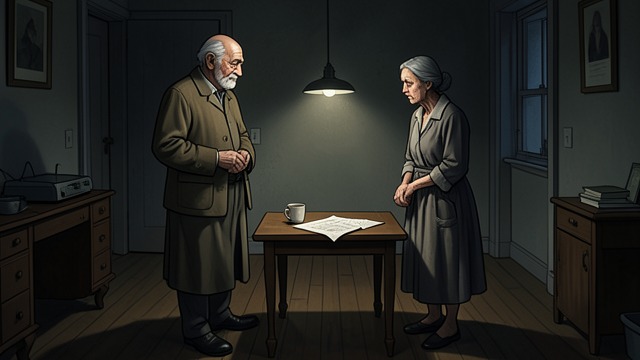
A Son Comes Home
Recognition without ceremony
Limonov returned to his parents’ apartment and found them old, limited in mobility, and concerned with everyday necessities. Their welcome was affectionate but did not match the dramatic homecoming he might have expected.
The gap in their worlds
He tried to make them understand his literary success, but they focused on whether he had a wife and children. Their practical questions revealed how completely his life abroad had become inaccessible to them.
An Unanswered Inheritance
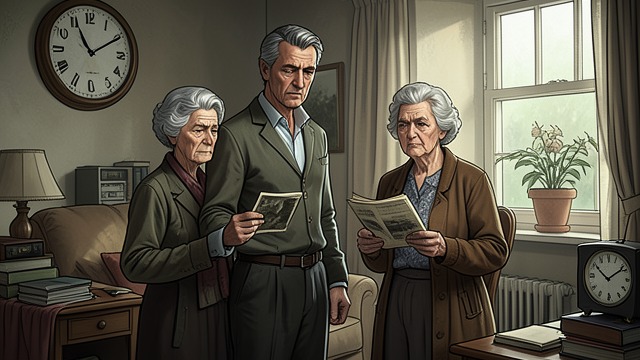
The Parents He Avoided
Old friends and old losses
Raya told Limonov what had happened to his childhood companions and to Anna Moiseyevna Rubinstein. He declined to visit Kadik, whose continued working life and drinking represented a fate he could not bear to face.
Recognition through contrast
Living with his parents for a week forced Limonov to confront the people and places he had left behind. He remained emotionally distant, yet the encounter stirred pity and a sense of connection he had spent years trying to suppress.
Late 1940s, in Kharkov
Early adolescence, in Saltivka
Early adolescence, after Limonov saw the prisoner transfer
December 1989, after fifteen years abroad
During the week-long visit in Kharkov
