
The Brief Alliance with Garri Kasparov
LimonovThis flow traces the tactical partnership and later rivalry between Limonov and Garri Kasparov in opposition politics.
increasing Bearing strength in each event
 decreasing
Bearing strength in each eventdecreasingAn Unlikely Coalition
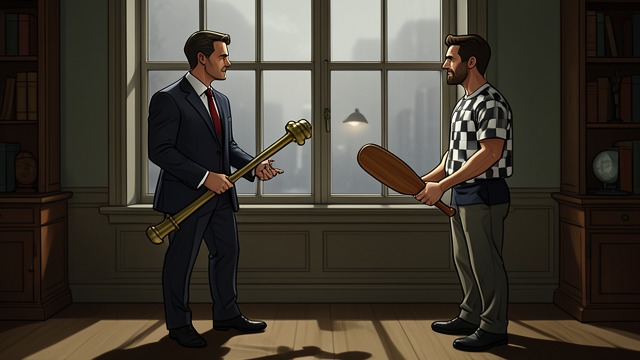
Shared Opposition
Different public histories
Garri Kasparov brought international prestige as a chess champion, while Limonov carried the reputation of a provocative writer and nationalist radical. Their partnership made the opposition coalition visually and politically unusual.
A common adversary
They were united by resistance to Vladimir Putin’s dominance. Their alliance did not require agreement about what a democratic Russia should become, only the belief that the existing system had closed the path to meaningful political competition.
The Press Conference
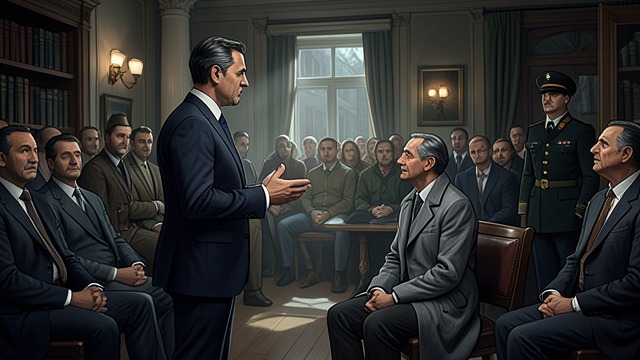
A Stage Shared Uneasily
Kasparov leads the presentation
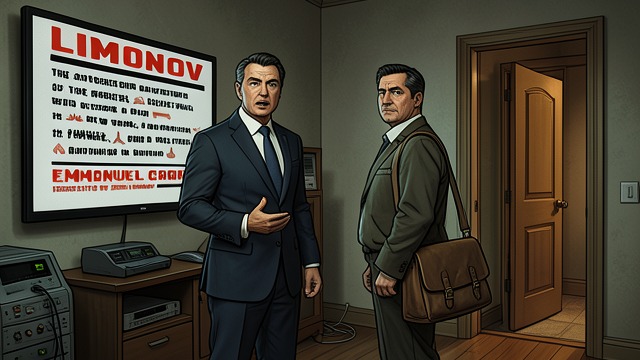
At a press conference, Kasparov explained why the approaching election might open a historic opportunity. Limonov sat beside him, attentive and difficult to read, appearing less eager to take the floor.
The strategist in the background
Carrère wondered whether Limonov believed in a peaceful democratic revolution or enjoyed playing the virtuous ally. The scene shows that their partnership also depended on performance and on how foreign observers imagined political change.
A Coalition Without a Route
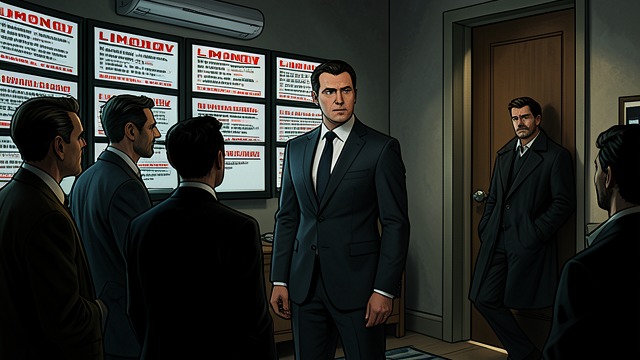
Hope Meets the Rules
A warning about succession
A British journalist predicted that Vladimir Putin would use a successor to comply with the constitutional limit and return later. The forecast undercut the coalition’s belief that the election alone would create a democratic opening.
Structural disadvantage
The opposition faced controlled media, weak organization, and a political system that could adapt its rules without surrendering real authority. Kasparov’s public eloquence could not overcome those conditions.
Rivalry After the Coalition
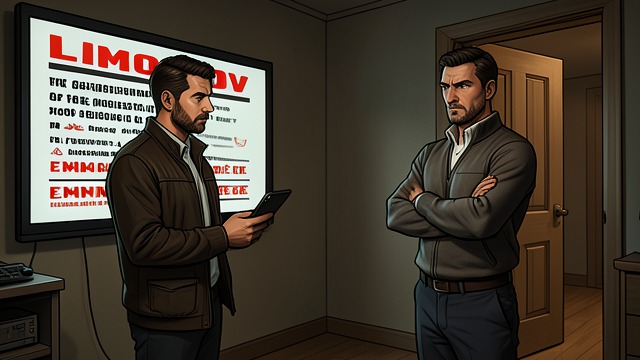
Partners Become Competitors
The alliance weakens
The Other Russia faded, and Kasparov and Limonov pursued separate political initiatives. Their common opposition no longer concealed competition for attention and leadership.
A modest measure of success
Limonov compared website traffic and public visibility, looking for signs that he remained relevant. The rivalry was less dramatic than his earlier political conflicts, but it revealed how strongly he connected recognition with personal destiny.
Two Opposition Styles
Different Political Languages
Institutional dissent and outlaw charisma
Kasparov represented a more legible democratic opposition, while Limonov retained the language and posture of the outlaw. Their political paths illustrated the difficulty of building a coalition from shared resistance alone.
The unresolved alliance
Limonov remained committed to protest but did not become a conventional democratic leader. The relationship ended not in a dramatic break but in a subdued contest for influence within a weakened opposition.
2006, as The Other Russia formed
2007, before the 2008 presidential election
2007–2008, as the election approached
2008–2009, after The Other Russia lost momentum
December 2009, at the book’s endpoint
