
Limonov’s Kinship with the Marginal
LimonovThis flow traces Limonov’s identification with losers, convicts, provincial youth, and social castoffs, while exposing the tension between solidarity and contempt.
increasing Bearing strength in each event
 decreasing
Bearing strength in each eventdecreasingThe First Losers
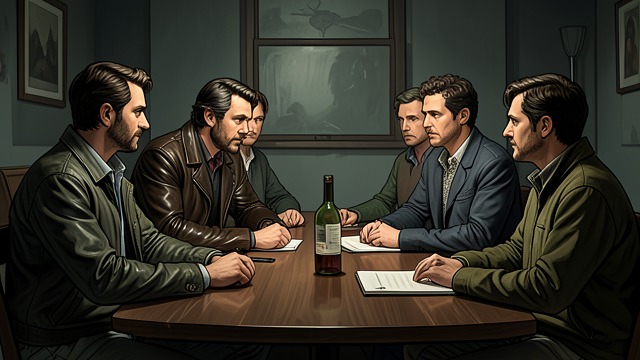
Failure as a Bond
Artists outside official culture
Limonov found companionship among unpublished poets, painters, and drinkers who treated failure as a sign of artistic integrity. Their marginality offered an alternative to official success and provincial respectability.
Affection mixed with contempt
He could care for friends while judging their talent harshly. His loyalty did not require him to pretend that every person he loved would become important, a contradiction that shaped his later relationships with outsiders.
The New York Losers
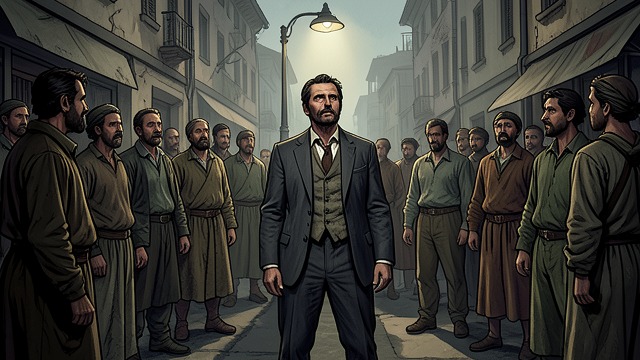
Recognition in Exile
Shared displacement
Limonov lived among Russian émigrés who had once been artists and now worked menial jobs. Their loneliness and nostalgia mirrored his own, even though he mocked the self-pity and dependence he saw around him.
A chosen identity
He embraced the loser’s position as a source of style and possible revolutionary energy. This identification gave him a community while preserving his belief that he was destined to rise above it.
The Provincial Recruits
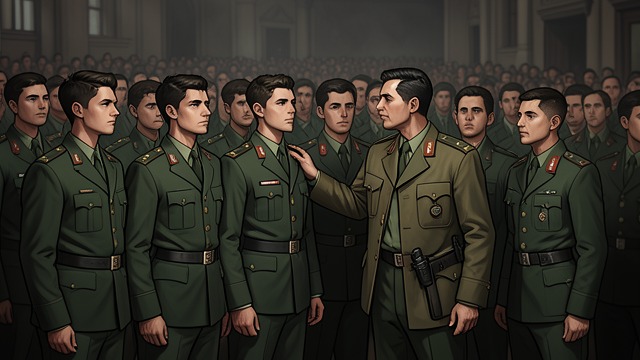
Giving the Marginal a Name
Young people without a future
Provincial recruits were poor, isolated, and alienated from the new consumer society. Limonov’s books and newspaper told them that their anger and nonconformity could become a political identity.
Loyalty as a gift and demand
He gave members a community and a heroic story, but also expected courage and obedience. Their attachment was real, yet the party’s dependence on his charismatic authority complicated its claim to represent them.
The Prisoners’ Stories
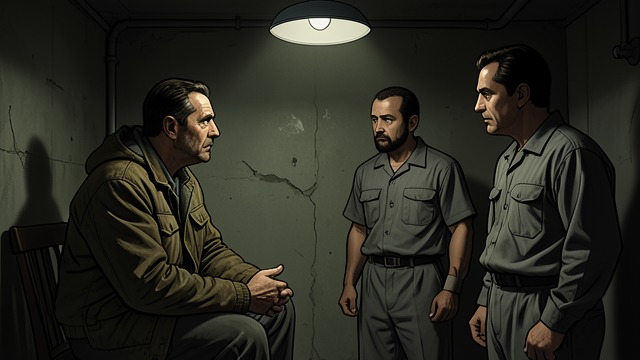
Listening Behind Bars
A writer turns outward
In Saratov, Limonov wrote stories about cellmates, including men convicted of murder and other serious crimes. He listened to their paths into prison without reducing them to simple moral categories.
Brotherhood without absolution
He called himself their brother and wrote at their request. His attention did not mean that their actions were harmless; it showed that he could recognize people even where society preferred only labels.
The Kings Among Castoffs
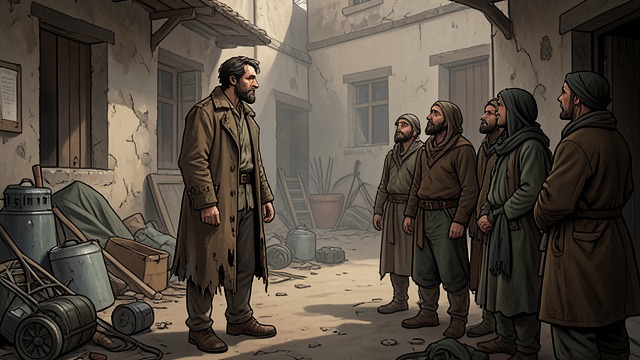
A Different End of Life
Rejecting respectable retirement
Carrère imagined Limonov settling into a restored estate, surrounded by family and the comforts of old age. Limonov instead described the beggars of Central Asia as people without possessions who were nonetheless kings.
Identification with the discarded
His final image made marginality a form of dignity rather than a temporary failure. The statement gathered together his enduring attraction to the poor, the dangerous, and the socially excluded, while leaving open whether he could truly share their condition.
Late 1960s, among Kharkov artists
1976–1978, at the Winslow and Embassy hotels
Mid-to-late 1990s, in National Bolshevik branches
2002–2003, in Saratov
September 2007, during the countryside conversation
