
Revolutionary Memory and the Meaning of the Past
LimonovThis flow traces the struggle over whether Soviet history should be remembered as criminal catastrophe, heroic sacrifice, or both.
increasing Bearing strength in each event
 decreasing
Bearing strength in each eventdecreasingA Childhood of Victory
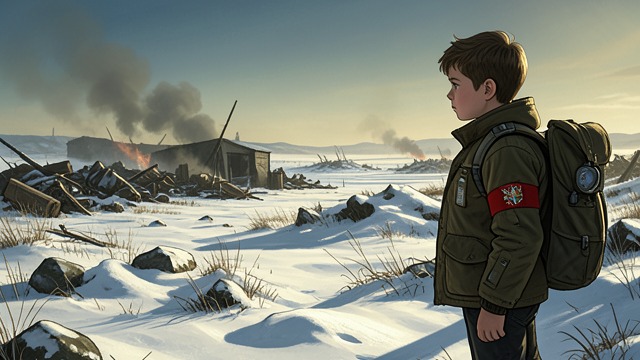
Victory as Inheritance
The war story
Limonov’s childhood was shaped by the Soviet victory over Nazi Germany and the sacrifices associated with Stalingrad. His generation inherited pride in military endurance and in a state that had survived invasion.
History beside private life
The national narrative did not explain every family experience, but it gave suffering a collective meaning. Later criticism of Soviet crimes would therefore threaten not only political beliefs but memories of parents and childhood.
The Silence Around the Gulag
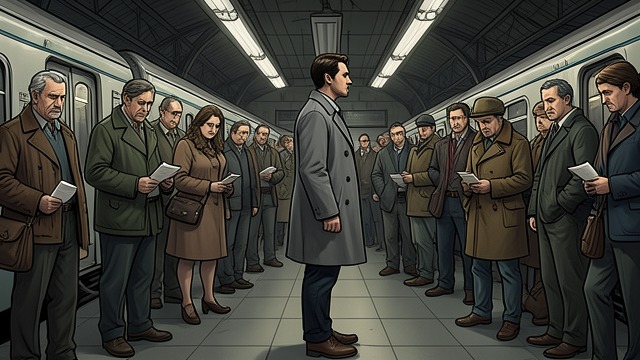
What Families Could Not Say
The returned and the implicated
After Stalin’s death, former prisoners and those who had sent them away could again encounter one another. Many knew what had happened but lacked a safe or acceptable language for discussing it.
A moral inheritance withheld
Limonov grew up in a family connected to the state’s security apparatus but not openly confronting its history. His later skepticism toward dissident accounts reflected both political instinct and an inherited reluctance to see ordinary family life as implicated in repression.
Glasnost and the Blank Pages
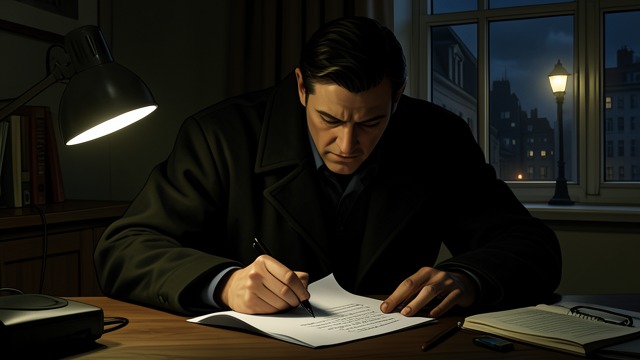
History Reappears
Banned accounts become public
Glasnost brought testimony, literature, and archival facts into public circulation. The language of millions of victims replaced the earlier concealment and transformed private memories into a national reckoning.
A truth that destabilizes the state
The opening was more radical than its leaders intended. Once people could speak about the purges, famine, and camps, the legitimacy of the whole political order came under question.
The Return of Shame
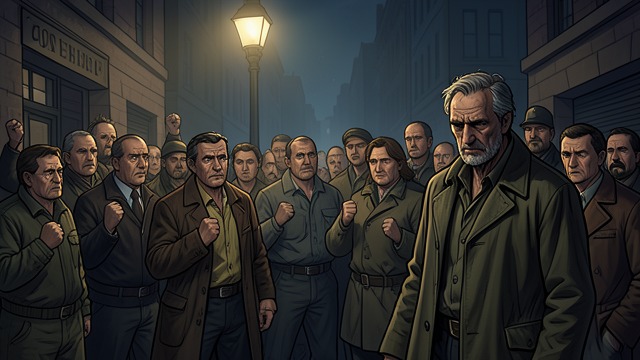
Freedom Meets Loss of Pride
A new language of failure
Limonov encountered people who used Glasnost to describe the Soviet Union as a failed, impoverished country. The new freedom of speech made humiliation as public as the truths it released.
Memory divides generations
His parents disliked Gorbachev and feared political pluralism, while younger public voices condemned the entire Soviet past. Limonov recognized the emotional force of both positions without finding an easy resolution between them.
Putin’s Memory Politics
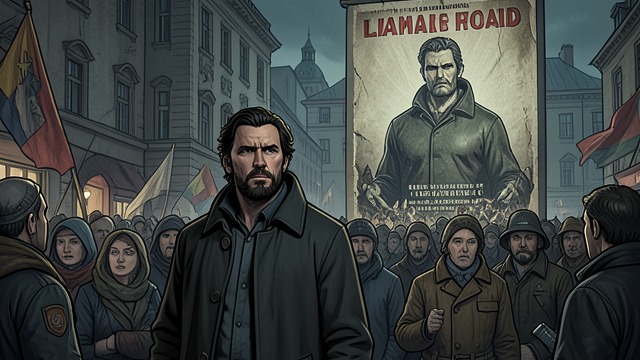
Pride Against Condemnation
A message to the Soviet generation
Vladimir Putin insisted that Soviet life could not be reduced to criminality and failure. The message spoke to citizens whose parents and grandparents had sacrificed for a project that later generations sometimes dismissed entirely.
The emotional appeal
Carrère presents the argument as a source of political legitimacy, not merely propaganda. Limonov opposed Putin’s rule but shared much of the underlying attachment to Soviet greatness, revealing how historical memory could cross the boundary between regime and dissident.
1940s–1950s, in Limonov’s family memory
1950s–1960s, after Stalin’s death
1987–1989, during public historical debate
December 1989, during Limonov’s return to Moscow and Kharkov
2000–2009, during Putin’s consolidation of power
