
Failure as a Chosen Identity
LimonovThis flow traces how Limonov turns failure from private humiliation into a literary and political source of pride.
increasing Bearing strength in each event
 decreasing
Bearing strength in each eventdecreasingEarly Dreams of Greatness

Refusing an Ordinary Life
The fear of becoming small
Limonov watched friends settle into factory work and family routines, interpreting their lives as proof that youthful ambitions had died. He feared becoming a worker without distinction more than he feared physical danger.
A heroic alternative
He imagined that a life of crime, poetry, or adventure could make him exceptional. The need for greatness became a measure against which ordinary security looked like defeat.
The New York Bottom
Failure Becomes Material
Poverty without disguise
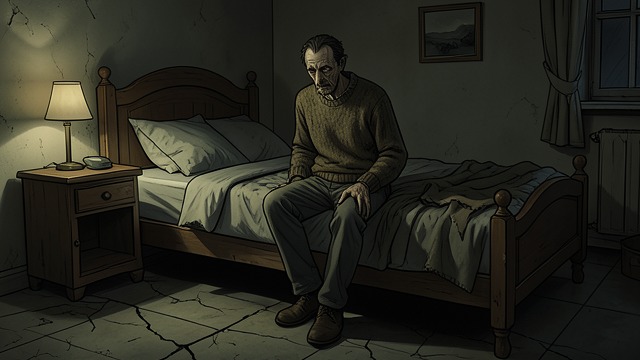
Limonov lived in a cheap hotel, relied on welfare, and endured loneliness after losing the future he had imagined with Tanya. He described himself as a loser rather than disguising hardship as a temporary inconvenience.
The beginning of a book
Writing converted humiliation into a form of agency. The more completely he exposed his degradation, the more it could become a distinctive literary voice and a route toward recognition.
The Heroic Band of Losers
A Collective Fantasy
The dispossessed assembled
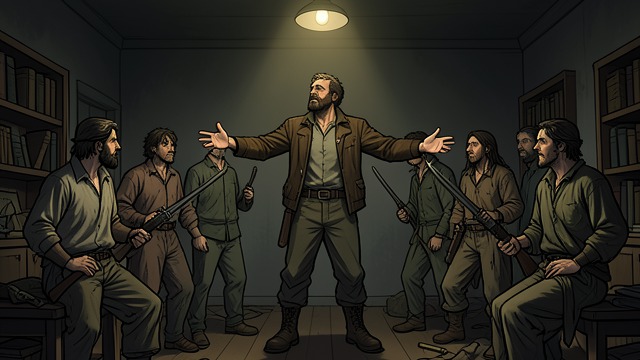
Limonov imagined hooligans, poor workers, failed writers, and excluded people gathering under arms. Their losses would become a source of unity, and he would lead them toward glory.
From sympathy to domination
The fantasy recognized real exclusion but also placed Limonov at the center as commander. His solidarity with losers remained entangled with a desire to rise above them and be loved as their leader.
The Provincial Party
Failure Given a Political Form
Recruits find a language
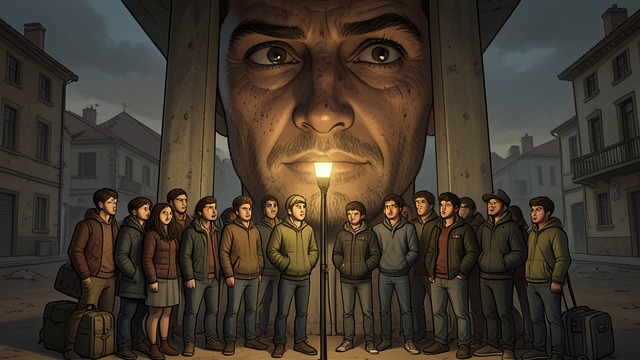
Young people in provincial cities recognized their own bitterness in Limonka’s irreverent style. The party made social exclusion feel like a counterculture rather than a private shame.
A movement built from discontent
Limonov gave the recruits an imagined role in history, but their economic marginality remained. The party’s symbolic victories and risky protests answered the need for meaning without overcoming the conditions that produced it.
The Kings at the End
The Dignity of Being Cast Off
A different measure of success
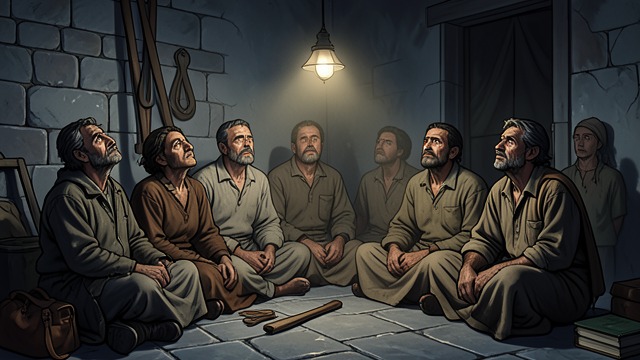
Limonov described the beggars of Central Asia as people stripped of possessions and social standing, yet still possessing a kingly quality. Their condition reversed the ordinary equation between wealth and dignity.
The failure that remains
The image offered no clear consolation or political program. It gathered Limonov’s attraction to the marginal into a final metaphor, leaving open whether failure was a wound, a chosen style, or the closest thing he had to a home.
Adolescence, in Saltivka
1976, after Tanya left him
Late 1970s, as Diary of a Loser took shape
1990s, as the National Bolshevik Party spread
September 2007, during Carrère’s final rural visit
