
The Adventurer’s Outlook
LimonovThis flow traces the belief that life becomes real through danger, bodily experience, and direct involvement in history.
increasing Bearing strength in each event
 decreasing
Bearing strength in each eventdecreasingA Life Planned as Action
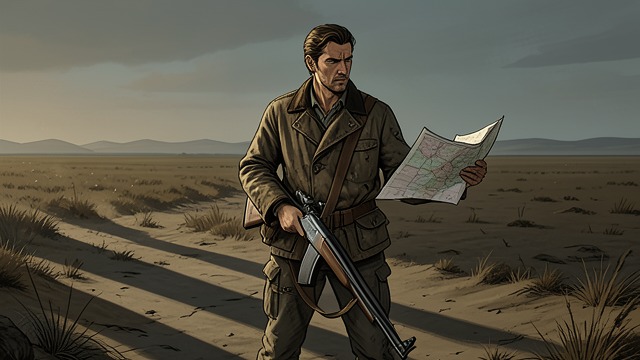
Adventure as an Ideal
Beyond literary respectability
Limonov disliked the idea of a safe career built around conventional literary success. He wanted writing to accompany a life of direct experience, danger, and movement.
The revolutionary dream
He imagined becoming an insurgent leader and treated political violence as a route out of anonymity. The ambition combined sincere hunger for action with the need to be known and remembered.
The Road to Vukovar
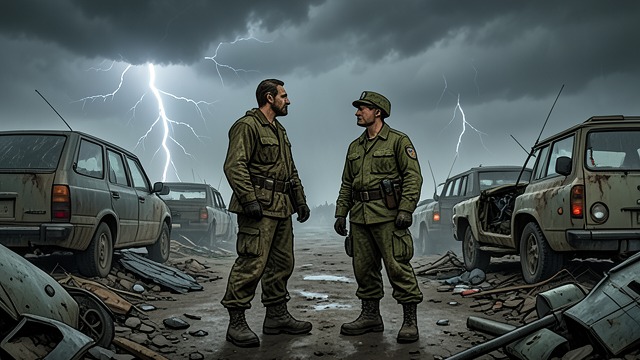
The Adventure Becomes War
Entering a real conflict
Limonov accepted a journey to the front because he felt he had reached an age at which a man should experience war. The physical world of checkpoints, ruins, and armed companions overwhelmed distant political debate.
History as sensation
The battlefield became for him an immediate proof that he was living inside history. That conviction helped make the devastation around him seem like an adventure rather than a warning.
The Front as Pleasure
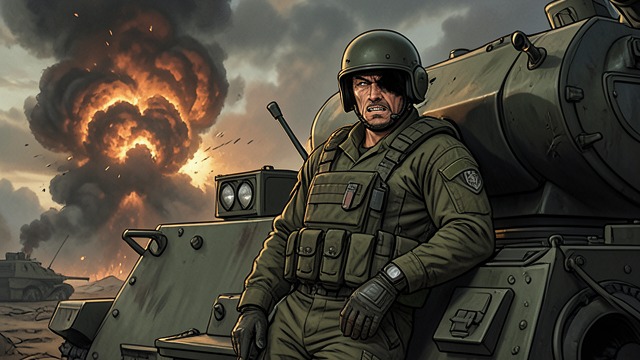
Danger and Desire
A theory of combat
Limonov described war as a pleasure because it sharpened instinct and stripped away civilian routine. He compared its attraction to an addictive experience that demanded repetition.
The moral danger
His language exposed the seduction of violence while also risking romanticization of the people harmed by it. The adventure’s intensity could obscure the unequal power between armed men and their victims.
The Altai Test
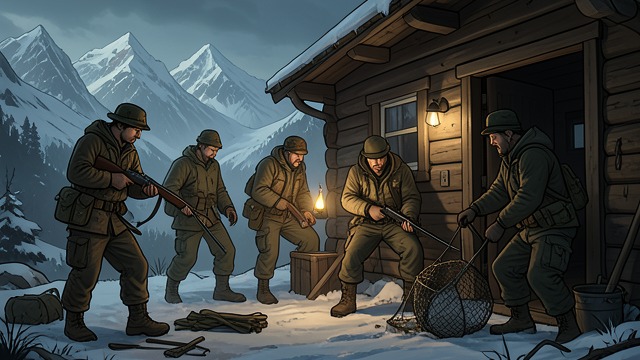
Adventure Without an Enemy
Survival and endurance
In the Altai, Limonov and party members hunted, trained, and lived in a remote cabin. The experience tested strength and discipline without the political spectacle of the battlefield.
A quieter measure of courage
Zolotarev’s knowledge of nature challenged the assumption that courage required confrontation. Limonov discovered that attention, patience, and practical skill could also command respect.
An Ordinary Ending Refused
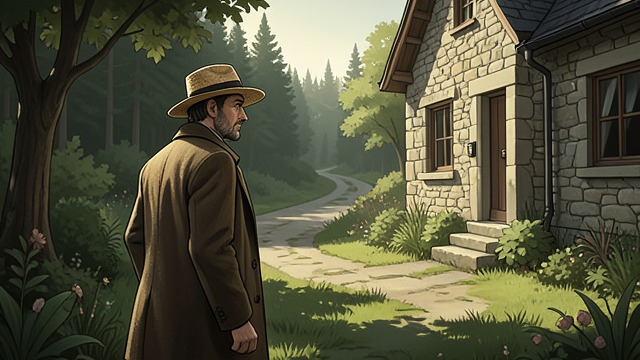
No Retirement for the Adventurer
A peaceful life imagined by another
Carrère saw a possible future of family, books, and country life in the estate Limonov visited. The scene offered the biographer an image of reconciliation after decades of struggle.
The subject chooses movement
Limonov rejected that future and imagined himself among the destitute of Central Asia. His refusal kept the adventurer’s outlook alive, even as it left his old age without the quiet closure Carrère desired.
1970s, during Limonov’s New York years
November 1991, during the Battle of Vukovar
1991–1993, across the Balkan fronts
Summer 2000, in the Altai Mountains
September 2007, during the country-house visit
