
Limonov’s Political Ascent and Marginality
LimonovThis thread follows Limonov’s transformation from a provocative writer into a nationalist activist, party founder, prisoner, and opposition figure.
increasing Bearing strength in each event
 decreasing
Bearing strength in each eventdecreasingDisgust with the Thaw
Refusing the Dissident Role
Skepticism toward moral authority
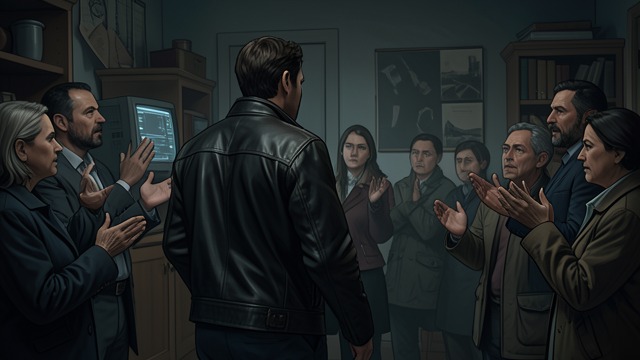
Limonov watched the literary underground venerate figures whose courage and suffering commanded public respect. He envied their status while resisting the idea that he should join their movement as a secondary figure.
A politics of outsider pride
He treated both official culture and celebrated dissidence as established arenas with their own authorities. His preferred stance was that of the unruly outsider who distrusted moral prestige and claimed freedom through provocation.
The Brown-Red Coalition
Politics Becomes the Main Stage
Searching for a political gang
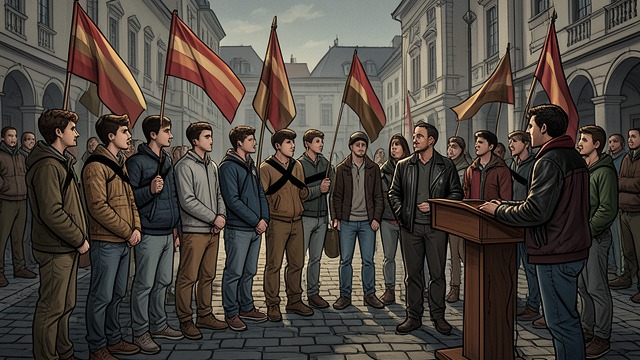
After the Soviet collapse, Limonov joined nationalist and conservative forces opposed to the new liberal order. Through Viktor Alksnis and Alexander Dugin, he found allies who treated the crisis as an opening for radical politics.
A party of his own
The National Bolshevik Party combined revolutionary language, Soviet symbols, punk style, and a cult of defiance. Limonov’s political identity was no longer merely a literary pose: he built an organization around young people who felt excluded from post-Soviet life.
The White House Defeat
Revolution Without Command
Choosing the besieged parliament
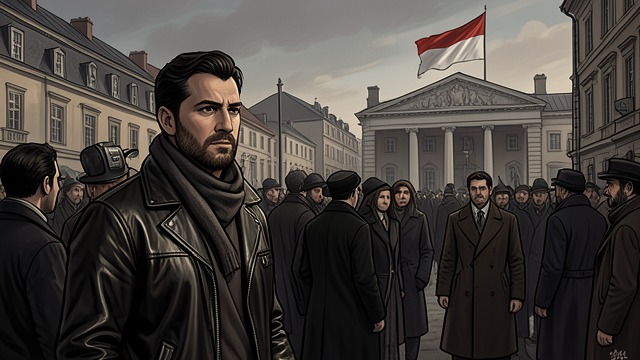
Limonov joined opponents of Boris Yeltsin during the confrontation at the Moscow White House. He urged Alexander Rutskoy to distribute weapons and treat the standoff as a decisive revolutionary moment.
The cost of absence
After leaving briefly, Limonov could not re-enter the besieged building. He later reached the violence around Ostankino, was wounded, and survived the defeat from outside the political center he had hoped to influence.
The Party’s Political Childhood
Building a Counterculture
A newspaper and a following
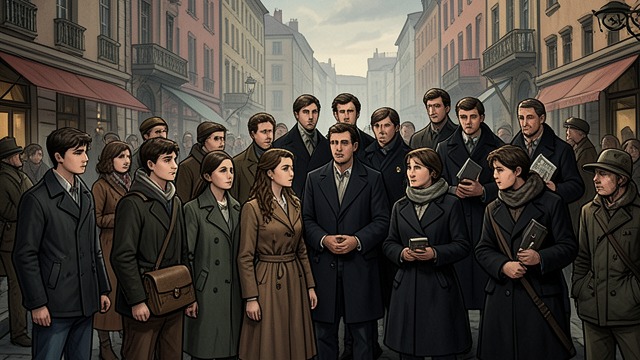
Limonov and Dugin launched Limonka and began building the National Bolshevik Party from a small circle. Young people in provincial towns recognized in its style a refusal of both consumer ambition and conventional opposition politics.
The leader and his recruits
Limonov gave members a vocabulary, identity, and imagined heroic purpose. The movement remained small and divided over ideology, yet its youth culture and willingness to face arrest made it more than a paper organization.
Opposition Under Putin
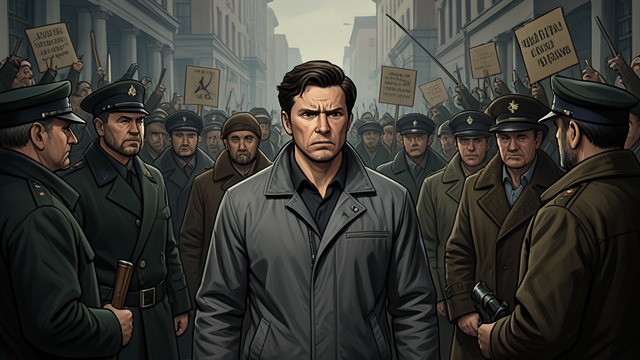
Repression and a New Role
From outlawed party to prison
The party’s demonstrations and confrontational actions brought raids and imprisonment. Limonov himself was arrested after the Altai camp operation and sentenced on charges that the authorities presented as terrorism and extremism.
A dissident he did not expect to be
After his release, he joined democratic opponents of Vladimir Putin and launched Strategy 31 protests. The role brought him beside activists whose beliefs he had often scorned, revealing the irony of a radical nationalist becoming a prominent defender of constitutional rights.
1960s, in Kharkov and Moscow
Early 1990s, in Moscow and Paris
October 1993, during the Russian constitutional crisis
1994–2000, in Moscow and the provinces
2001–2009, from arrest through Strategy 31
