
Truth, Propaganda, and the Uncanny
LimonovThis flow traces how distorted public narratives make political change feel unreal and morally disorienting.
increasing Bearing strength in each event
 decreasing
Bearing strength in each eventdecreasingA Revolution Broadcast
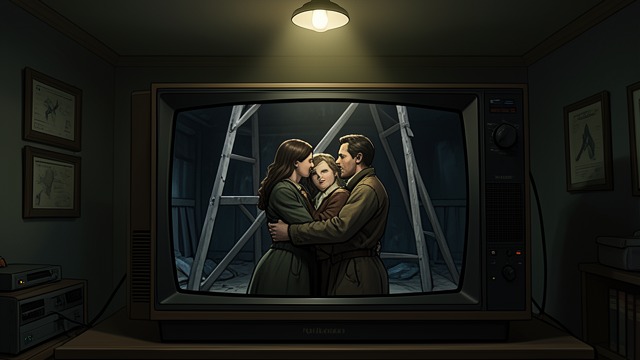
The Image of Justice
A televised trial
Carrère watched footage of Nicolae and Elena Ceauşescu facing an improvised tribunal before their execution. The couple’s gestures of mutual support made the spectacle unsettling, even though their rule had been brutal.
Dignity in an unjust scene
The new order presented the execution as justice, but the rushed proceedings made the accused appear more dignified than their judges. The broadcast revealed how a revolution can reproduce violence while claiming to end it.
The Timișoara Story
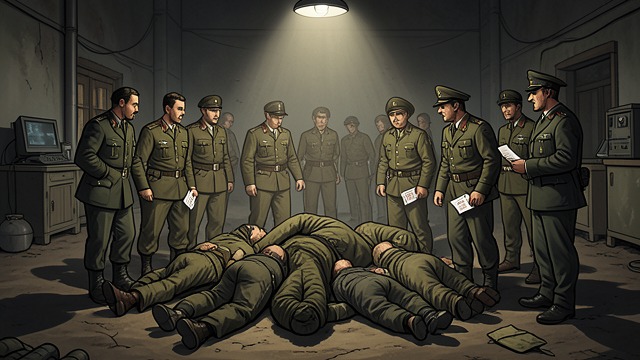
A Mass Grave Narrative
Numbers that multiplied
Reports from Timișoara described mass graves and escalating death tolls, provoking outrage across Europe. Television images were presented as proof of atrocities committed by the old regime.
The story collapses
The bodies had been misrepresented, and the inflated figures did not correspond to the claimed massacre. The episode showed how compassion and political certainty could be manipulated by images that were not what they seemed.
The Uncanny Country
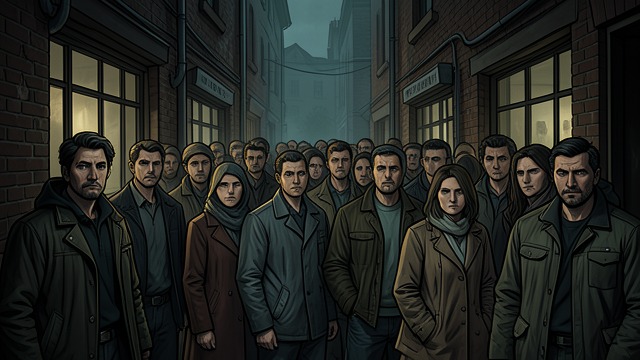
Familiar Life Turns Alien
Suspicion after dictatorship
Carrère found a society marked by poverty, distrust, and mutual accusation after the revolution. People who had appeared to resist the old regime could also be suspected of informing for it.
The uncanny as political climate
The ordinary world seemed familiar yet profoundly distorted, like a reality in which no account could be trusted. The uncertainty did not mean every claim was equally false; it made careful attention more necessary.
Miners in the Capital
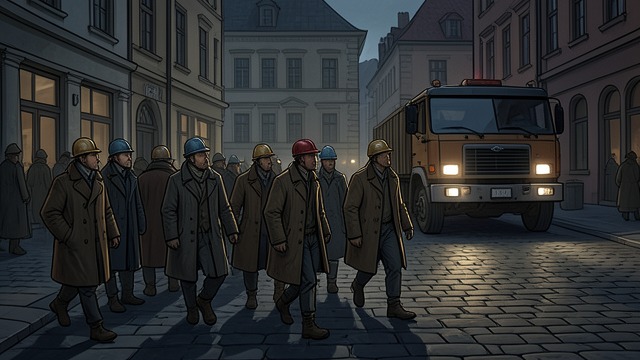
Violence in Democracy’s Name
A manufactured defense
The Romanian government called workers to defend democracy against a supposed fascist threat. Buses and trains brought miners to Bucharest, where they attacked opposition members and others indiscriminately.
Hatred redirected
The violence demonstrated how political leaders could mobilize popular anger while claiming to protect a new order. Carrère and a fellow reporter wondered whether that anger might one day turn against those who had stirred it.
The Complication Refrain
Complexity as Warning and Evasion
Conflicting evidence
In discussions of Croatia and Bosnia, Carrère heard arguments that challenged simple divisions between victims and aggressors. Some claims mattered; others served to postpone judgment while violence continued.
Choosing where to look
Carrère took seriously the need to examine evidence from every side, but rejected the idea that complexity dissolved responsibility. His account asks how to remain open to correction without using uncertainty as an alibi.
December 1989, after the Ceaușescus’ execution
Late December 1989 to early 1990, in Romania
Spring 1990, during Carrère’s reporting in Romania
June 1990, in Bucharest
1991–1992, as the Yugoslav wars expanded
