
Power, Victimhood, and Moral Reversal
LimonovThis flow traces the recurring reversals in which yesterday’s victim becomes a persecutor and political power rewrites its own violence.
increasing Bearing strength in each event
 decreasing
Bearing strength in each eventdecreasingRomania’s New Masters
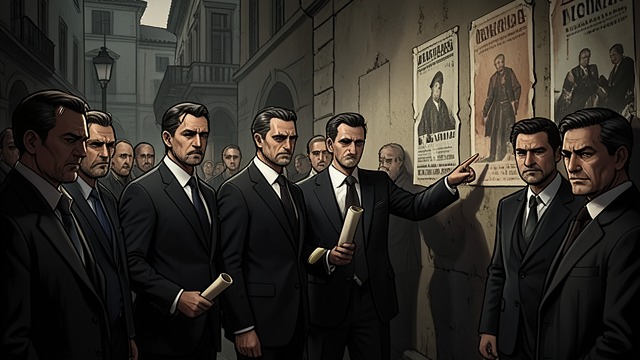
The Old Regime Survives
A new name for authority
The National Salvation Front presented itself as the revolutionary successor to the old regime, while many of its figures had emerged from the same political world. Elections gave the new leadership popular legitimacy without resolving the country’s history.
Victims and beneficiaries overlap
Carrère’s reporting encountered people whose claims of inner resistance coexisted with possible collaboration. The uncertainty made moral judgment difficult but also exposed how authoritarian systems blur the boundary between survivor, informer, and official.
Serbs as Victims and Aggressors
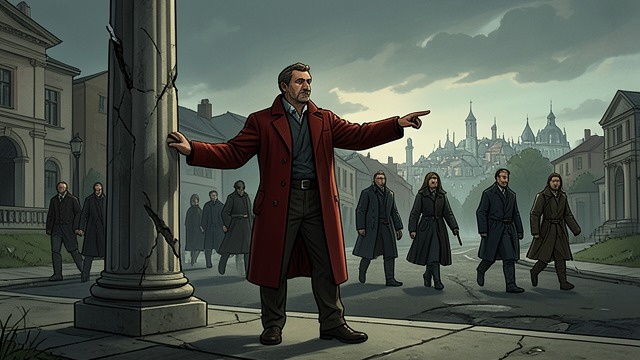
A Changing Position
Fears rooted in history
Serbs in Croatia faced real fears of exclusion and nationalist symbolism that recalled past persecution. These concerns made some early comparisons to vulnerable minorities understandable.
Power changes the picture
As Serbian forces besieged cities and committed atrocities, the claim of victimhood could no longer describe the whole conflict. Carrère follows the need to recognize earlier vulnerability without overlooking the violence exercised by Serbian power.
The Prisoner and the Guard
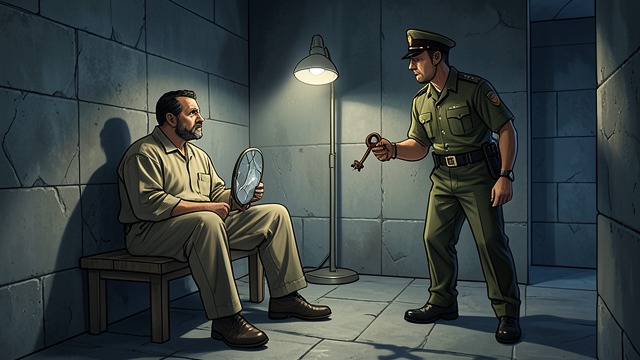
Ordinary Crime and State Authority
Prisoners with violent pasts
Limonov shared cells with men convicted of murder and other serious crimes. He listened to their stories without treating their suffering as proof that they were innocent.
The state’s unequal judgment
He contrasted the severe punishment of individual crime with the impunity often enjoyed by state officials after mass violence. The contrast did not absolve prisoners; it questioned why public authority could commit harms that ordinary people would be punished for.
The Hostage Crisis
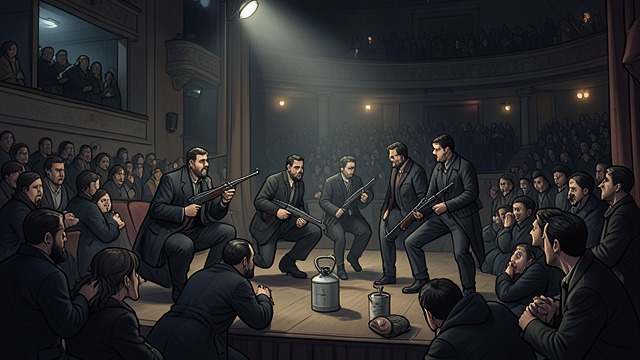
State Violence in the Name of Rescue
A mass hostage-taking
Chechen militants seized the audience at the Dubrovka Theater, creating a terrifying emergency for hostages and families. The government chose a forceful operation using an incapacitating gas.
The cost and the official story
Many hostages died, and questions about the operation were treated as hostile to the state. Limonov, watching from prison, recognized a familiar pattern: private crimes brought punishment, while state decisions that killed civilians were defended as necessary.
Opposition and the State’s Mirror
The Dissident’s Reversal
A new alliance of convenience
Limonov stood with human-rights activists and democratic opposition figures against the Kremlin. Their shared experience of state pressure did not erase their disagreements about nationalism, democracy, or the Soviet past.
Victimhood does not settle virtue
Being persecuted by the state did not automatically make Limonov a liberal or a moral authority. Carrère’s portrait insists that the role of victim can coexist with authoritarian desires and that political position alone cannot decide character.
1990, after the fall of Nicolae Ceaușescu
1991–1992, during the wars in Croatia and Bosnia
2001–2003, during Limonov’s imprisonment
October 2002, during the Moscow theater hostage crisis
2006–2009, during public protests in Moscow
