
The Making of a Hero
LimonovThis flow traces Limonov’s lifelong effort to turn vulnerability, discipline, danger, and public performance into a heroic identity.
increasing Bearing strength in each event
 decreasing
Bearing strength in each eventdecreasingThe Child Who Wanted Uniform
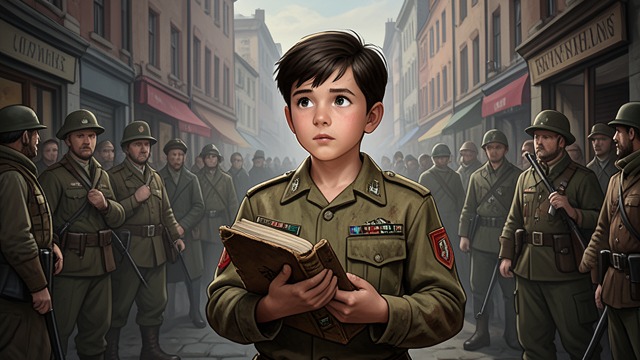
A Heroic Model
Admiration for soldiers
Limonov’s earliest model of manhood came from his father’s uniform and the stories of war. The child imagined military service as a route to courage, belonging, and public significance.
The model breaks
Poor eyesight and the family’s declining status disrupted that future. The disappointment did not end his desire to be a hero; it redirected it toward the street, poetry, and self-invention.
The Tough Poet
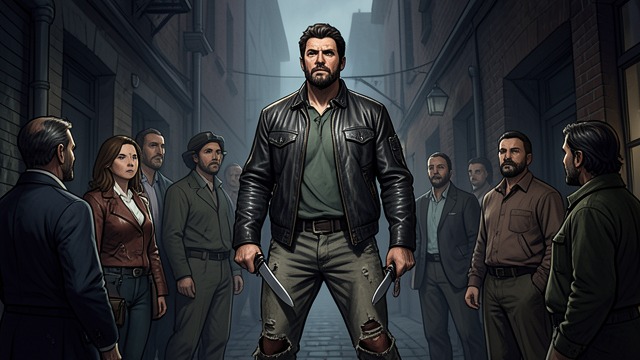
Combining Opposites
A poet with a knife
Limonov joined literary ambition to the image of a street fighter. He wanted to be both culturally recognized and physically dangerous, resisting the idea that art required gentleness or social conformity.
A persona takes shape
Clothing, speech, drinking, and provocation helped him turn contradictions into style. The self he built was not only a private defense but an early performance for an audience he hoped would eventually become larger.
The Exile as Performance
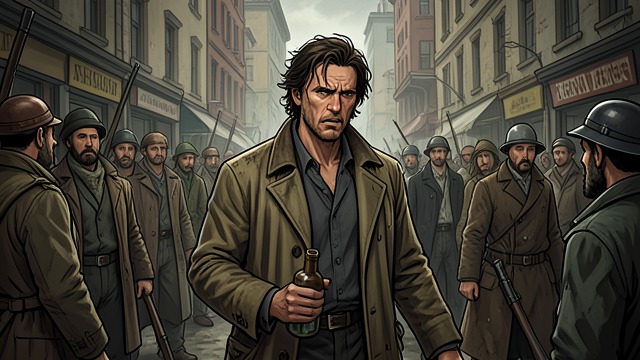
Playing the Outlaw
Failure made visible
In New York, Limonov transformed poverty and sexual experimentation into a deliberately shocking story. The persona of the Russian poet living at the margins made humiliation appear chosen rather than imposed.
The audience matters
His writing and behavior sought recognition as much as freedom. Even when he celebrated losing, he remained focused on becoming known as the most vivid figure among the losers.
The Soldier on Film
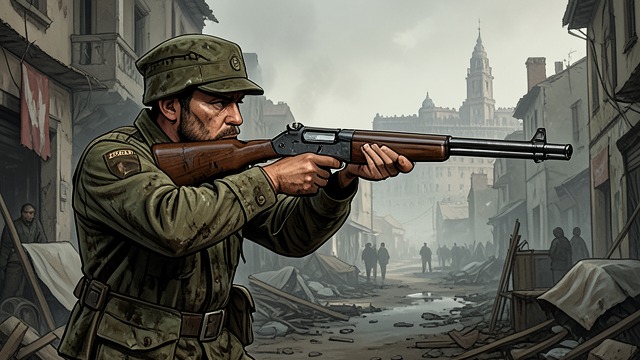
Heroism Under a Camera
Entering the warrior role
Limonov went to the front and presented himself as a soldier rather than a journalist. The role fulfilled the military fantasy of his childhood and gave his life the direct historical intensity he craved.
The performance exposed
Footage of him firing toward Sarajevo made his warrior image look like a childish display of toughness. The camera revealed the gap between his self-understanding as a hero and the possibility that he was playing at war.
The Prison Hero
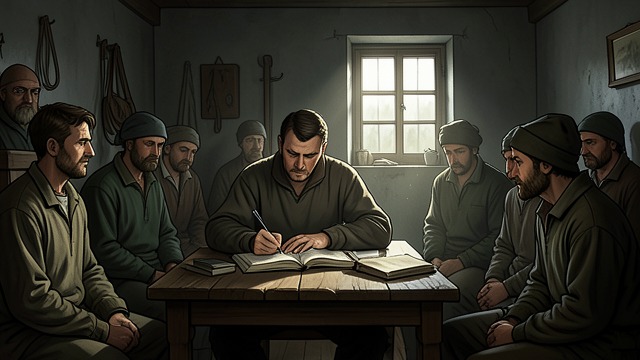
Endurance as Achievement
A dreamed chapter fulfilled
Limonov had imagined prison since childhood as a test that a serious adventurer could not avoid. In confinement he exercised, wrote books, followed rules, and gained the respect of guards and prisoners.
A transformation beyond performance
Prison gave him a real discipline, not merely a public costume. Yet his release brought uncertainty about whether he could preserve the inward freedom he had developed when the conditions that demanded it were gone.
Late 1940s to early 1950s, in Kharkov
Late 1950s to 1960s, from Saltivka to Kharkov’s underground
1975–1980, in New York City
1991–1992, during the Balkan wars
2001–2003, from Lefortovo to Engels
