
Common Decency Against Grand Ideology
LimonovThis flow traces the tension between Limonov’s attraction to grand political projects and the ordinary decency that others recognize in his conduct.
increasing Bearing strength in each event
 decreasing
Bearing strength in each eventdecreasingThe Friend Who Was a Failure

Cruel Honesty and Care
A friend’s despair
Igor Voroshilov feared he was a second-rate painter and spoke of suicide. Limonov crossed Moscow to stay with him and tried to lift his spirits, while admitting that his friend’s judgment of his talent might be right.
A contradiction in character
His blunt assessment could sound merciless, but he did not abandon Igor. The episode shows care expressed without comforting lies, a form of attention that complicates Limonov’s self-presentation as a villain.
The Rich Child’s Death
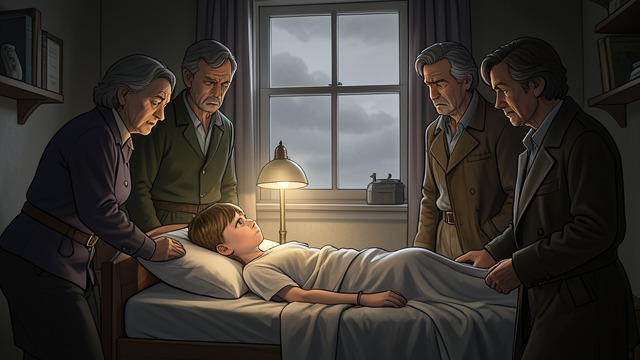
Class Hatred Exposed
A child’s illness
A neighbor’s young son was dying of leukemia, and Steven Gray, Jenny, and Limonov shared a moment of genuine sadness. The ordinary compassion of the household briefly seemed to cross class boundaries.
A cruel written response
Limonov later wrote that he did not care if the rich boy died, treating illness as a place where wealth could not prevail. Carrère judges the passage harshly but also believes Limonov would have acted to save the child if action had been possible.
The Officer’s Invitation

Mercy with Conditions
An offer to confess
Pristavkin visited Limonov and urged him to admit guilt in exchange for an early release. He described the charges as politically convenient and claimed that the authorities could find a way to release the writer.
Honor against freedom
Limonov refused a formal confession because he believed it would compromise his reputation as someone who did not fold. He later accepted a legal formulation that avoided a direct admission, exposing the complicated boundary between principle and survival.
The Cellmates’ Stories

Attention to the Condemned
Writing at their request
Prisoners asked Limonov to write their stories, and he did so, recording their failures, crimes, and losses. He treated even men convicted of terrible acts as people with histories rather than as symbols.
Decency without sentimentality
He did not claim that every prisoner was innocent or admirable. His respect came from listening and keeping faith with people who had trusted him, a practical decency that Carrère found more persuasive than Limonov’s political declarations.
The Biographer’s Test

A Difficult Moral Measure
The judgment of others
Olga Matitch called Limonov one of the most decent men she had known, while also disapproving of his conduct in Sarajevo and his alliances with extremists. Her testimony made it impossible to reduce goodness to political agreement.
Keeping contradictions visible
Carrère does not resolve whether Limonov’s acts of care outweigh his attraction to violence and domination. The question becomes a test of whether character can be understood through ordinary conduct without excusing political harm.
Late 1960s, during Igor Voroshilov’s crisis
Late 1970s, at Steven Gray’s house
2002–2003, while Limonov was imprisoned at Engels
2002–2003, in Saratov
During Carrère’s final assessment, near the book’s end
