
The State, the Artist, and the Enemy
LimonovThis flow traces the changing relationship between Limonov and state power, from his father’s service to his own persecution and opposition.
increasing Bearing strength in each event
 decreasing
Bearing strength in each eventdecreasingThe State in the Family
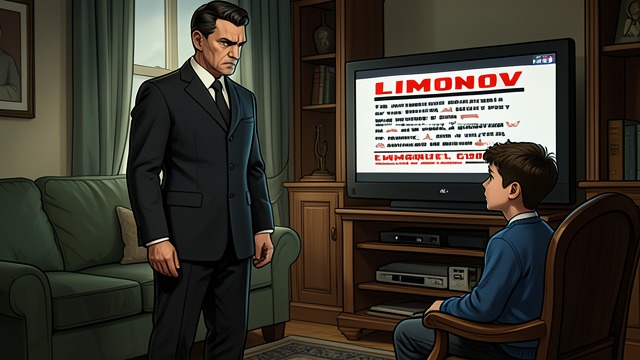
Authority at Home
A father employed by the organs
Venyamin Savenko worked within the Soviet security system, and his son grew up admiring the uniform before understanding the work behind it. State authority entered the family not as an abstraction but as a parent’s occupation.
A divided inheritance
Limonov later mocked his father’s modest role while remaining shaped by the system’s military values. His attraction to rebellion never fully erased the respect for strength and state power inherited in childhood.
The Artist Under Supervision
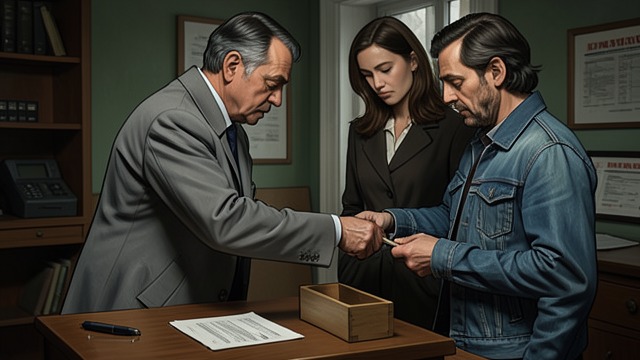
Censorship at the Door
Contact with foreigners
A friend’s denim jacket and foreign magazines brought a search by a security officer. The encounter showed how ordinary cultural objects could become politically sensitive under Soviet restrictions.
Repression and burlesque
The search ended with mild consequences rather than a dramatic arrest, and Limonov described the official as an ordinary, somewhat embarrassed functionary. The episode reinforced his sense that Soviet authority could be oppressive and absurd at once.
The Writer Leaves
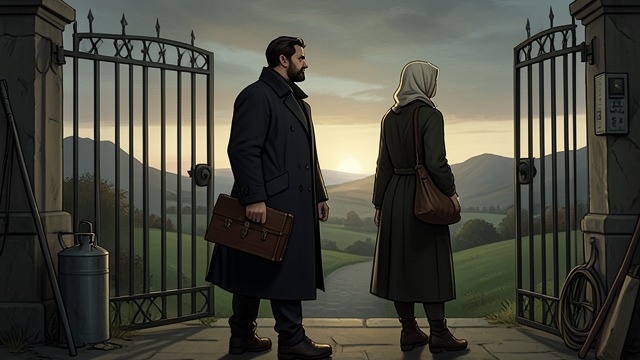
Exit as a State Policy
A permitted departure
Limonov and Tanya obtained permission to emigrate as the authorities used departure as a safety valve for troublesome citizens. Unlike dissidents forced out, they chose to leave in pursuit of a different life.
The cost of leaving
Emigration meant they could not expect to return or visit freely. The state’s permission therefore carried a lasting separation from family and the familiar social world they were abandoning.
The Opposition Leader Arrested
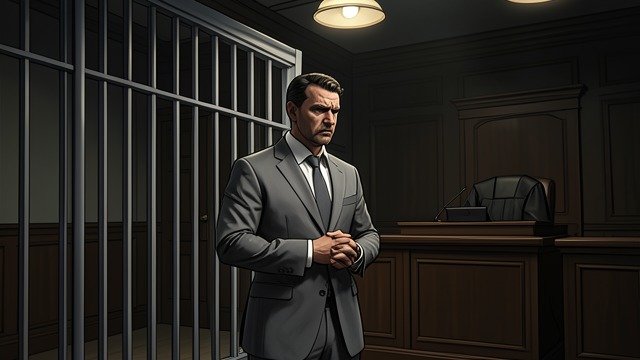
The Former Outsider Becomes a Target
Charges of extremism and terrorism
The state prosecuted Limonov and party members after the Altai raid, using serious criminal charges to describe a small political group. His old familiarity with security institutions did not protect him from their power.
A prisoner without a confession
He endured detention and trial while refusing to admit guilt. The encounter reversed his earlier position as a distant observer of state coercion: he now experienced its routines from inside.
The Enemy Who Defends Rights
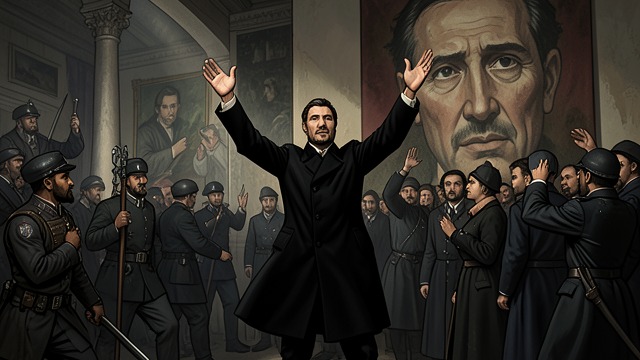
A Reversal of Political Position
Rights as a practical weapon
After prison, Limonov invoked constitutional rights to organize Strategy 31 demonstrations. The claim mattered even though he had often mocked the liberal values that gave it force.
The state’s selective repression
His protests were small, but police arrests and legal pressure made them visible as tests of the state’s tolerance. The artist who had once felt little sympathy for conventional dissidents became one of the figures the authorities sought to contain.
1940s–1960s, in Limonov’s childhood and adolescence
1960s, in Kharkov
1974, before emigration
2001–2003, during the Altai case and trial
2006–2009, during opposition protests
