
Writing as Survival and Self-Exposure
LimonovThis flow traces how Limonov uses writing to survive isolation, convert experience into form, and preserve a public self.
increasing Bearing strength in each event
 decreasing
Bearing strength in each eventdecreasingPoems as Escape
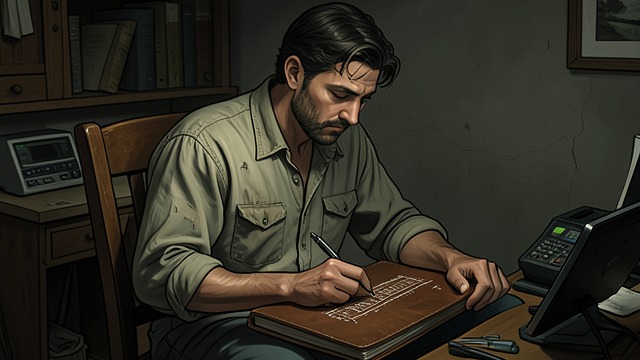
A Worker Finds a Voice
Reading returns
After factory work and a period of despair, Limonov returned to reading through the Kharkov bookstore and its literary circle. Poetry offered a way to imagine a life beyond the foundry and the street.
A craft of discipline
He wrote and copied poems methodically, seeking an identifiable style rather than relying on inspiration alone. The practice established work as a means of self-creation that would continue through later changes of country and circumstance.
Life Turned into Prose
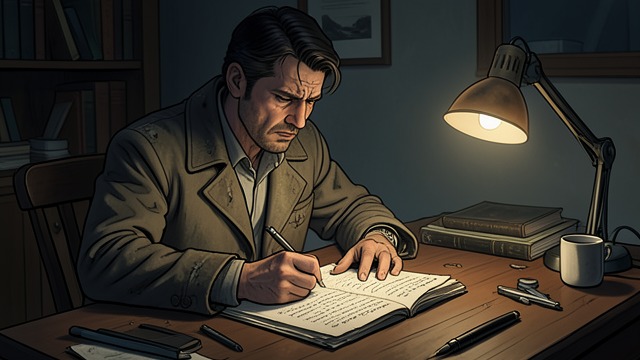
The Self as Subject
Recording the humiliations
Limonov wrote about welfare, poverty, sex, resentment, and loneliness without disguising his less attractive thoughts. The directness made his private experience into a challenge to polite literary narration.
Writing against disappearance
The book became his chance to escape obscurity. By recording the loser’s life, he turned the fear of being forgotten into the very material that might make him famous.
A Butler’s Double Vision
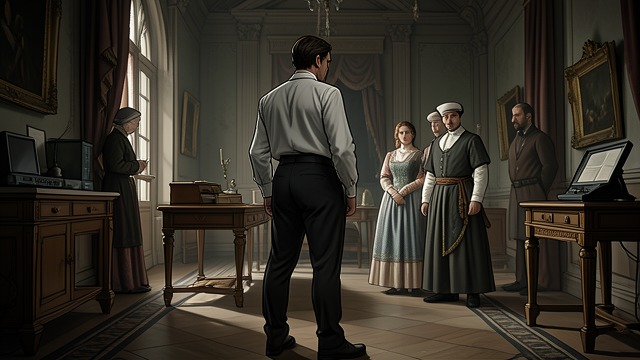
Service and Secret Hostility
Observing the rich from within
As a butler, Limonov learned the habits and comforts of an affluent household. His work placed him close to wealth without removing his awareness of the class boundary between servant and employer.
A book of divided selves
His account revealed the private life he led in the master’s absence and the violence he imagined in his presence. The narrative made the gap between visible obedience and inward resentment its central dramatic force.
Books from the Cell
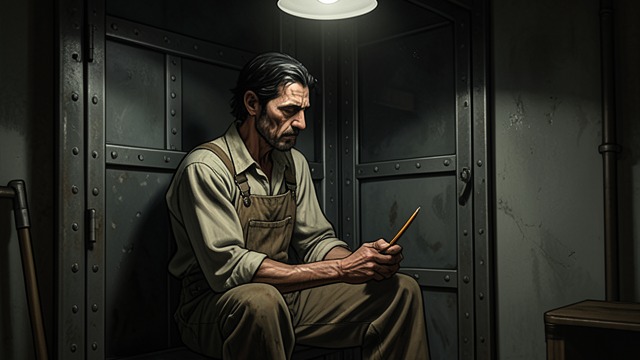
Writing Under Constraint
Work within the prison day
Limonov read, exercised, and composed books while facing isolation and restricted materials. He learned to write in his head and rely on memory when notebooks were unavailable or confiscated.
Form shaped by confinement
The prison books focused increasingly on other people and on bounded structures such as water and memory. Constraint did not simply obstruct his work; it helped determine its methods and subjects.
The Biographer’s Book
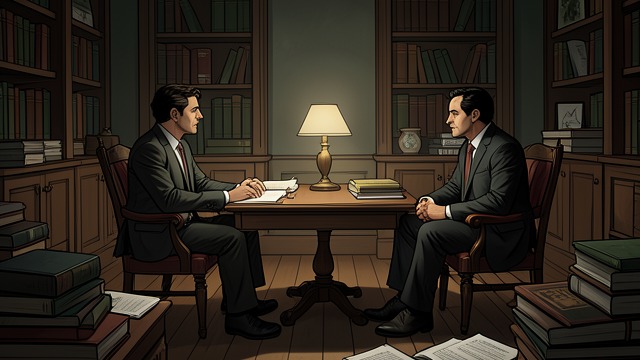
Another Writer Takes Up the Life
A subject with many versions
Carrère gathered interviews, books, political history, and his own recollections to describe a man who continually performed himself. Each account revealed a different Limonov without making the others disappear.
Biography as moral inquiry
The book became an attempt to understand how violence, tenderness, ambition, and decency could coexist. Carrère’s own self-questioning entered the narrative, making the act of biography part of the story rather than a neutral frame.
Late 1950s, in Kharkov
1976, in Central Park
Late 1970s, while working for Steven Gray
2001–2003, at Lefortovo, Saratov, and Engels
2006–2009, during Carrère’s research and composition
