
The Collapse of Soviet Authority
LimonovThis flow tracks how reform, historical disclosure, and political conflict dismantle the Soviet order that shaped Limonov’s loyalties.
increasing Bearing strength in each event
 decreasing
Bearing strength in each eventdecreasingThe Managed Thaw
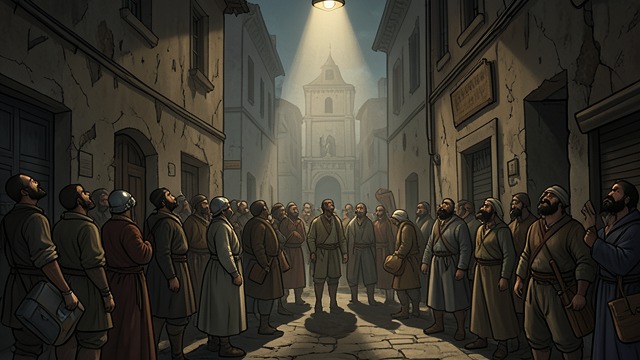
Truth Briefly Opens
A controlled break with Stalin
Nikita Khrushchev’s secret speech and the publication of One Day in the Life of Ivan Denisovich made previously suppressed accounts of repression publicly discussable. Readers experienced the change as an opening in a system built on silence.
Reform meets its boundary
The state’s willingness to expose some crimes did not extend to a full examination of the system. The thaw showed both the power of truth and the limits imposed by officials who feared where it might lead.
The Era of Stagnation
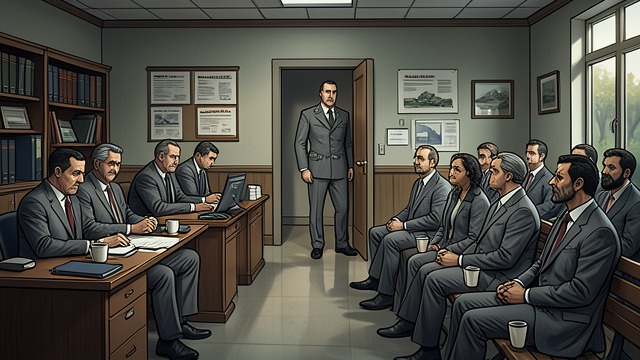
Stability and Compromise
A livable dead end
Under Leonid Brezhnev, the system settled into bureaucratic stability, limited repression, informal privilege, and widespread resignation. Many people adapted rather than openly resisting, while jokes about pretending to work captured the distance between official language and daily life.
The underground alternative
Artists and writers built unofficial networks around samizdat, private gatherings, and the idea that failure could preserve integrity. Limonov entered this world but resisted its reverence for martyrdom and its suspicion of popular success.
History Returns to Public Speech
The Past Becomes Speakable
Opening the archive of memory
Glasnost allowed readers to encounter books and testimony that had long been banned or circulated privately. The scale of repression entered public conversation, challenging the official account of Soviet history.
An unintended consequence
Mikhail Gorbachev intended reform to remain manageable, but the return of suppressed memory undermined the legitimacy of the system itself. Public recognition of past crimes became a force that reform could not easily contain.
The Revolutions of 1989
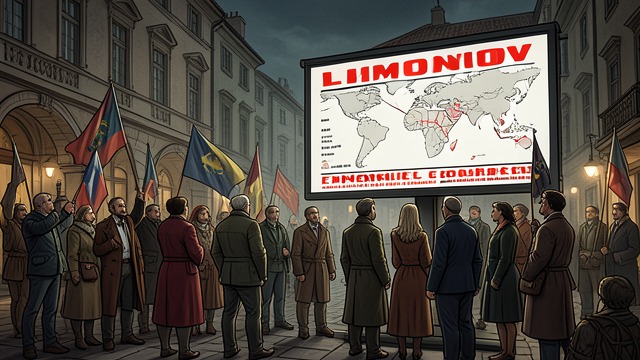
The Bloc Gives Way
A rapid political unraveling
As the Soviet Union stopped enforcing its control over Eastern Europe, communist governments fell in a succession of mostly peaceful revolutions. The speed of change made the political future seem suddenly open.
Different readings of freedom
Many Western observers celebrated the end of communist rule as an uncomplicated victory. Limonov instead saw retreat, lost imperial strength, and the abandonment of Russians outside the Soviet Union’s new borders.
The Union Dissolves
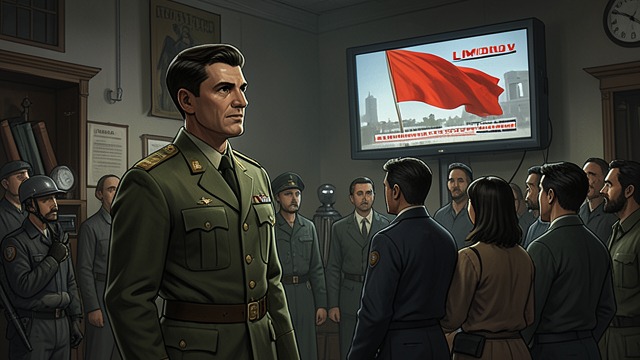
The State Comes Apart
A failed restoration
The August coup against Mikhail Gorbachev collapsed, while Boris Yeltsin emerged as the defender of the Russian government and the Communist Party’s authority weakened. The public spectacle of failed hard-liners made the old state appear both dangerous and ridiculous.
The final break
Later in 1991, the leaders of Russia, Ukraine, and Belarus agreed to dissolve the Soviet Union. For Limonov, the event meant not simply a change in government but the collapse of a state whose power and historical meaning he still valued.
1956–1962, under Nikita Khrushchev
Mid-1960s to early 1980s, under Leonid Brezhnev
1987–1989, during Glasnost
1989, across Eastern Europe
August–December 1991, during the Soviet coup and dissolution
