
From Post-Soviet Chaos to Putin’s Rule
LimonovThis thread follows the collapse of the Soviet system through economic shock, oligarchic power, and Vladimir Putin’s rise.
increasing Bearing strength in each event
 decreasing
Bearing strength in each eventdecreasingThe Promise of Shock Therapy
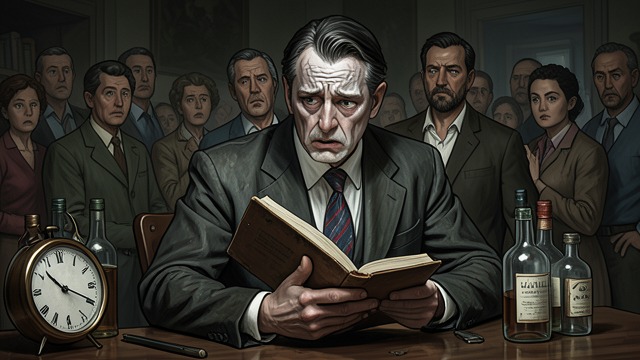
A Rapid Market Transformation
Reform without safeguards
Boris Yeltsin and Yegor Gaidar pursued rapid liberalization, arguing that speed could prevent a return to authoritarian rule. Prices surged, savings lost value, and ordinary citizens found that the promised transition offered little immediate security.
Unequal entry into the new economy
Voucher privatization was intended to give citizens a share in national wealth, but inflation and scarcity made many sell their vouchers cheaply. People already positioned to exploit the new system gained a decisive advantage.
The Oligarchs Emerge
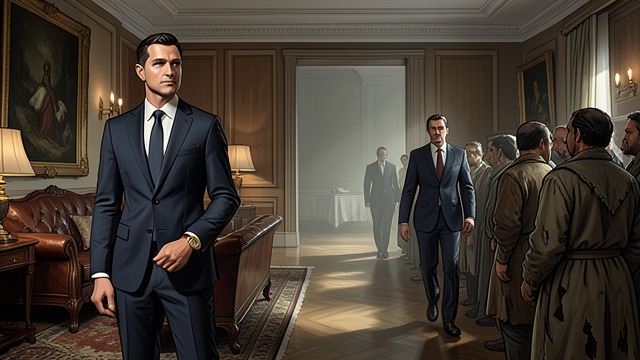
Wealth Without Rules
New fortunes from public assets
Boris Berezovsky, Vladimir Gusinsky, and Mikhail Khodorkovsky became emblematic of a small group that accumulated enormous wealth during privatization. The new order rewarded access, speed, and the ability to operate where regulations were weak.
A social rupture
For millions, economic change meant falling living standards, insecurity, and a loss of status. The contrast between new luxury and widespread deprivation fed Limonov’s anger at the post-Soviet order.
Yeltsin’s Second Term

Power and Privatized Politics
A campaign shaped by oligarchs
Fearing a communist victory, powerful business interests used their media and financial influence to help Boris Yeltsin win the 1996 election. The public choice was framed as Yeltsin or chaos, despite widespread disillusionment with the reforms.
A divided country
The election preserved the reform government but did not resolve the economic and social crisis. Limonov remained outside the main political coalition, rejecting the available choices while building his own marginal movement.
The Chechen War Returns
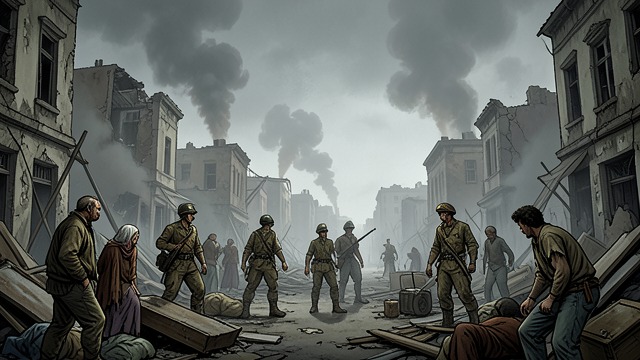
War as Political Remedy
The first devastating campaign
The war in Chechnya brought heavy destruction and exposed the Russian state’s inability to deliver the quick victory it had promised. Soldiers and civilians bore the cost of a policy that was also meant to reshape domestic politics.
A new war and new suspicions
In 1999, bombings in Russian cities were blamed on Chechen terrorists and helped prepare the public for another war. The book recounts widespread suspicions about the state’s possible role, even as those suspicions did not prevent support for Vladimir Putin.
The Chekist Takes Power
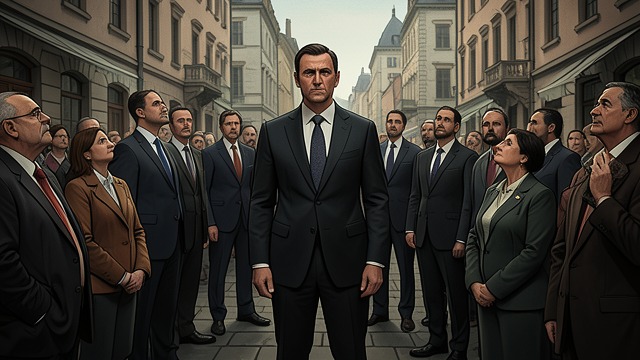
A New Center of Authority
A successor presented as safe
Boris Berezovsky backed Vladimir Putin as a manageable successor to Boris Yeltsin. The new leader quickly proved more independent and forceful than the oligarchs expected, eventually driving some into exile and imprisoning Mikhail Khodorkovsky.
Stability through authority
Putin’s presidency offered many Russians a language of restored state dignity and historical continuity. Limonov opposed the regime, yet Carrère argues that the leader’s appeal drew on feelings the opposition could not simply dismiss.
1992, at the beginning of market reforms
1992–1996, during privatization and the first Yeltsin term
1996–1998, during Yeltsin’s second term
1994–1999, during the Chechen conflicts
1999–2008, from Putin’s appointment through the tandem presidency
