
Anna, Tanya, and the Cost of Possession
LimonovThis thread traces Limonov’s early partnerships and the recurrent pattern of intense attachment, jealousy, and separation.
increasing Bearing strength in each event
 decreasing
Bearing strength in each eventdecreasingAnna’s Bohemian Household
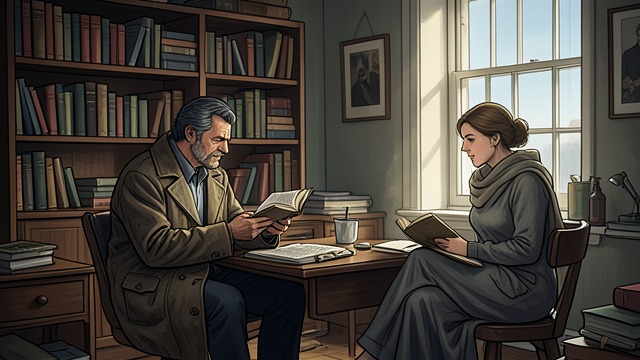
Entry into a New World
The bookstore circle
At the Kharkov bookstore, Limonov met Anna Moiseyevna Rubinstein and the underground artists who gathered around her. His relationship with her offered more than sexual companionship: it gave him a place in the cultural center he had long sought.
Partnership and dependence
He moved into Anna’s home, became its host, and developed as a poet within its daily routines. Their life was affectionate and stormy, with Anna’s mental illness and his ambition shaping the limits of their shared stability.
The Beautiful Stranger

Desire and Social Distance
A new attraction
At a gathering, Limonov met Tanya, a young woman from a wealthier milieu whose elegance represented a world he had only imagined. Their affair began as a sharp contrast between his provincial poverty and her cultivated social surroundings.
A decisive attachment
Limonov’s desire became possessive and absolute, while Tanya approached intimacy with greater freedom. Their different expectations turned attraction into a recurring struggle over loyalty, independence, and the meaning of love.
Marriage and Exile

Choosing a Shared Departure
Leaving together
Tanya and Limonov married and emigrated, accepting the uncertainty and finality attached to leaving the Soviet Union. Their departure carried both promise and grief: they were pursuing a new life while abandoning familiar places and people.
A talisman of remembered triumph
A photograph of Limonov in his patchwork vest with Tanya at his feet became an emblem of the moment when he believed he had won her and entered a larger world. He carried the image as proof that the victory had once been real.
Jealousy in New York
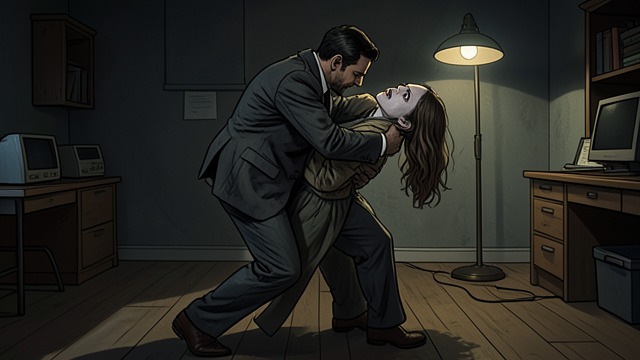
Love Under Pressure
Diverging expectations
In New York, Tanya sought opportunities in modeling while Limonov struggled to find work and recognition. Her growing distance sharpened his fear that she would replace him with someone more successful.
The relationship breaks
Their arguments culminated in Limonov choking Tanya during a violent encounter. She left him, and he later admitted that he might have killed her if he had repeated the act, making the separation a crisis with lasting moral weight.
Anna’s Final Years
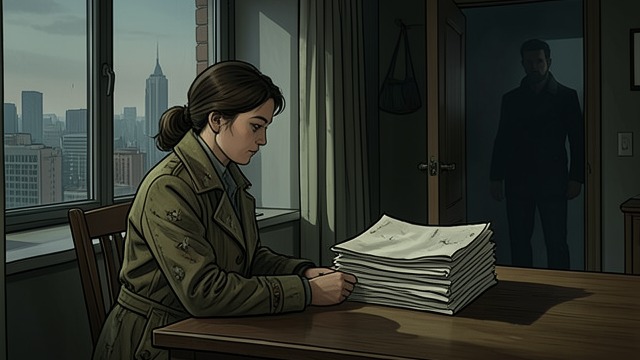
The Absent Partner
A separation without closure
Limonov left Anna for Tanya without being able to speak honestly about the break. Anna later returned to Kharkov, struggled with mental illness, and wrote letters from a life increasingly isolated from the bohemian world they had shared.
A death learned at home
During his return to Kharkov in 1989, Limonov learned that Anna had died by suicide. He had received her letters but had not answered them, leaving the old relationship as a painful reminder that escape and ambition could also mean abandonment.
Mid-1960s, in Kharkov
1971, in Moscow
1974, before leaving the Soviet Union
1975–1976, in New York City
After Limonov’s departure, ending before his 1989 return
