
Natasha and the Long Return
LimonovThis thread follows Limonov’s turbulent partnership with Natasha Medvedeva, whose departures and death shape his later emotional life.
increasing Bearing strength in each event
 decreasing
Bearing strength in each eventdecreasingA Parisian Encounter

Recognizing an Equal
A new arrival
Limonov met Natasha Medvedeva, a singer from the Soviet underground, after encountering her in New York and bringing her to Paris. Her rebellious style and difficult past made her seem less like a social prize than a fellow adventurer.
An intense identification
He imagined them as two lost children who had recognized each other. Their shared outsider status promised the kind of loyal, life-and-death partnership he had wanted since leaving home.
The Blue Scarf
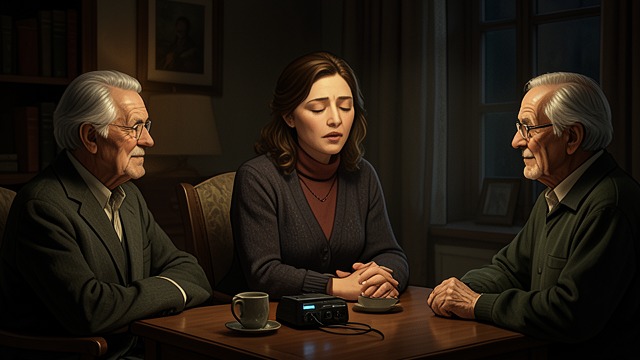
Song and Recognition
A Russian gathering
Limonov brought Natasha to visit Andrei Sinyavsky and his wife. In their home, she sang songs associated with wartime separation and loss, including The Blue Scarf.
A moment of shared feeling
The song moved the older couple and revealed a tenderness that Limonov admired in Natasha. Her voice made their relationship appear capable of carrying memories and feelings deeper than the provocations that surrounded their public lives.
The Cycle of Addiction
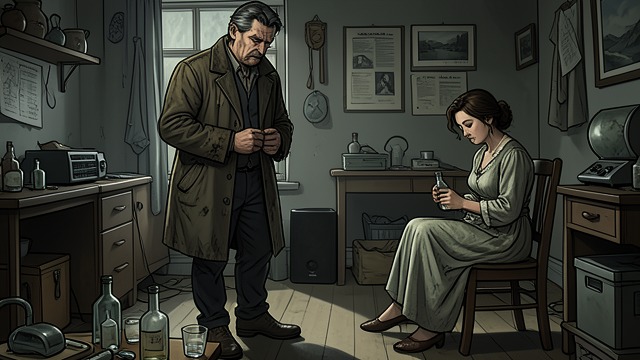
Care and Repetition
A partner’s decline
Natasha’s drinking and disappearances gradually revealed a serious addiction. Limonov tried to hide bottles, find her, and encourage her to write, but her relapses repeatedly undid periods of hope.
Love under strain
He responded with arguments, reconciliation, and caretaking, promising to rescue her. The relationship reproduced a painful pattern: he wanted to protect her, while her instability and independence made protection impossible to sustain.
The Search in Moscow

A Husband in the City
No address and no answer
Limonov returned to Moscow before Natasha and had no reliable information about where she was living. He searched through contacts and asked her mother for help, learning that Natasha had appeared briefly and vanished again.
Marriage as duty
When her mother asked whether he loved Natasha, Limonov answered that she was his wife and that he would not stop caring for her. The response framed love as a commitment he continued to honor even when intimacy had become exhausting.
A Death in Prison News

Loss from a Cell
The broadcast report
Limonov learned from television that Natasha had died, apparently in circumstances connected with drugs. He was already facing a possible long sentence, and the news made his future seem suddenly narrower.
Grief in a song
He recalled their sexual intimacy, conflict, and years together, then composed a small ballad for her. The private song gave voice to grief that the public persona of the unyielding adventurer rarely allowed him to express directly.
1982, in Paris
Early 1980s, during a visit to Fontenay-aux-Roses
Mid-1980s, in Paris
December 1989, during Limonov’s return
February 2003, while Limonov was imprisoned
