
The American Interlude
LimonovThis thread follows Limonov’s attempts to survive and belong in New York City, from émigré poverty to a brief household refuge.
increasing Bearing strength in each event
 decreasing
Bearing strength in each eventdecreasingThe City in Technicolor

A New World Revealed
First impressions
For Limonov and Tanya, Manhattan’s streets, bookstores, cinemas, and visible abundance seemed to emerge from the films they had never been allowed to see. The city promised freedom in tangible details as well as political abstractions.
The distance between arrival and belonging
They began with excitement and confidence, but the unfamiliar city offered no guarantee of work, status, or community. Their early wonder would soon be tested by the practical demands of survival.
The Winslow Collapse

Exile at Rock Bottom
A vanished future
After Tanya left, Limonov woke in a cheap hotel room with no secure job, close relationship, or clear plan. Lenya Kosogor helped him survive the first days, but the room felt like the end of a life rather than a temporary setback.
Refusing respectable recovery
He accepted welfare, drank cheap wine, wandered poor neighborhoods, and lived with people who shared his displacement. Rather than quickly rebuilding a conventional life, he treated degradation as another experience to inhabit and write about.
The Embassy Hotel Persona

Dressing the Loser
A chosen setting
Limonov left the Russian émigré hotel world for the rougher Embassy Hotel, where he felt more at home among poor and marginal residents. His clothing and self-presentation helped turn social exclusion into a chosen identity.
Provocation as belonging
He experimented with sexual relationships and allowed rumors about his behavior to circulate. The stories unsettled the émigré community and let him occupy an outsider role that was both defensive and theatrical.
The Socialist Meeting
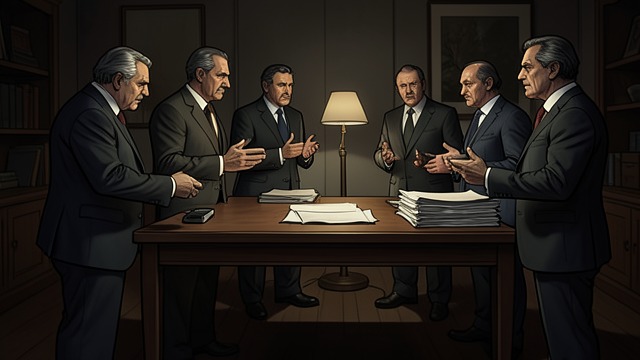
Revolution Expected
A political family sought
Limonov met Carol through the Socialist Workers Party and welcomed its language of solidarity with the dispossessed. He hoped political meetings would create a community ready for decisive action.
Words without insurrection
The meetings ended in discussion and dispersal, disappointing his desire for weapons, direct confrontation, and a revolutionary gang. His experience exposed the distance between organized political speech and the violent drama he imagined as authentic.
Jenny’s House and the Butler’s Role

Shelter in a Rich Household
A mistaken introduction
Limonov met Jenny at a party and initially mistook her for the daughter of the house. When he discovered she was the housekeeper, their relationship still developed, offering warmth and a temporary domestic refuge.
Service becomes a career
He later became Steven Gray’s butler, mastering cooking and household management while privately resenting his subordinate status. The job gave him comfort and material security, but also became a vantage point from which to observe the people he considered his social superiors.
1975, soon after arrival in New York City
February 1976, after Tanya left
1976–1977, in Manhattan
Late 1970s, during Limonov’s New York period
Late 1970s to 1980, in New York City and Connecticut
