Charles Ingalls
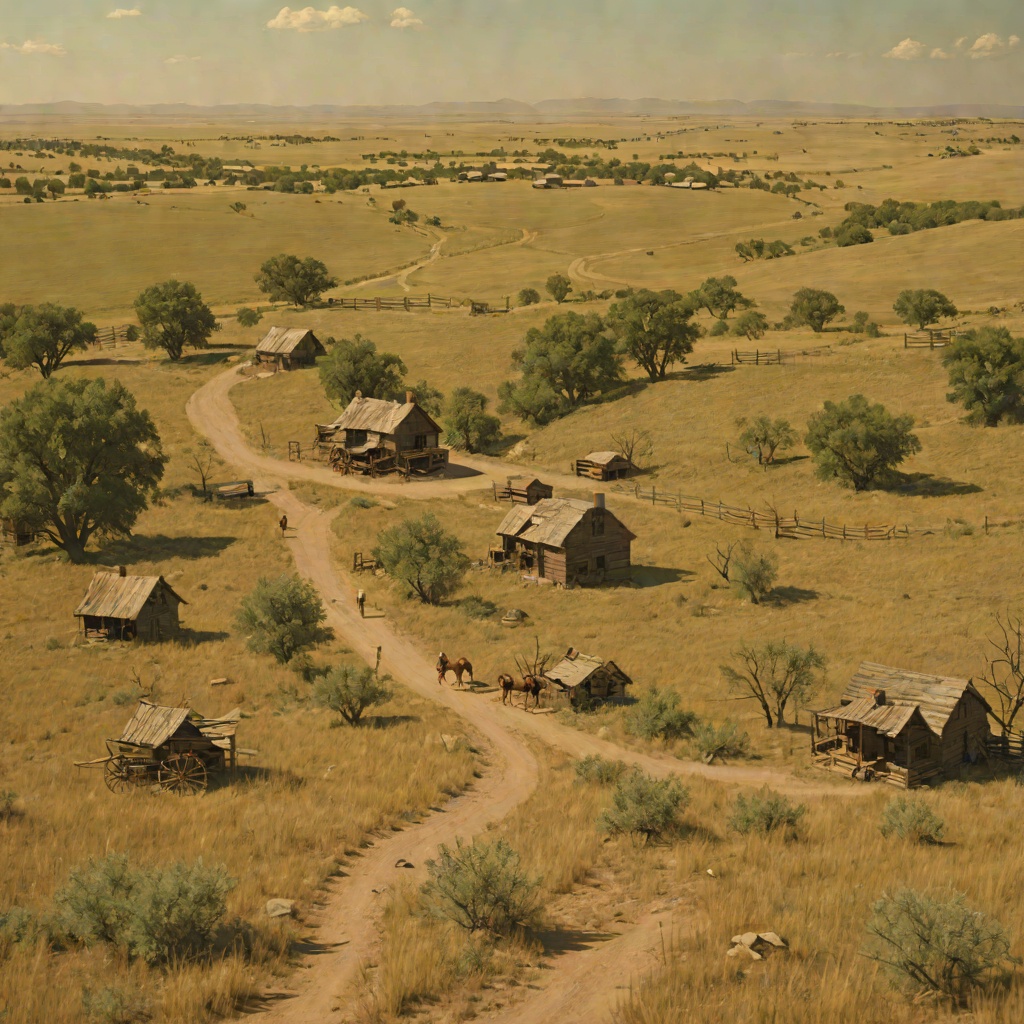
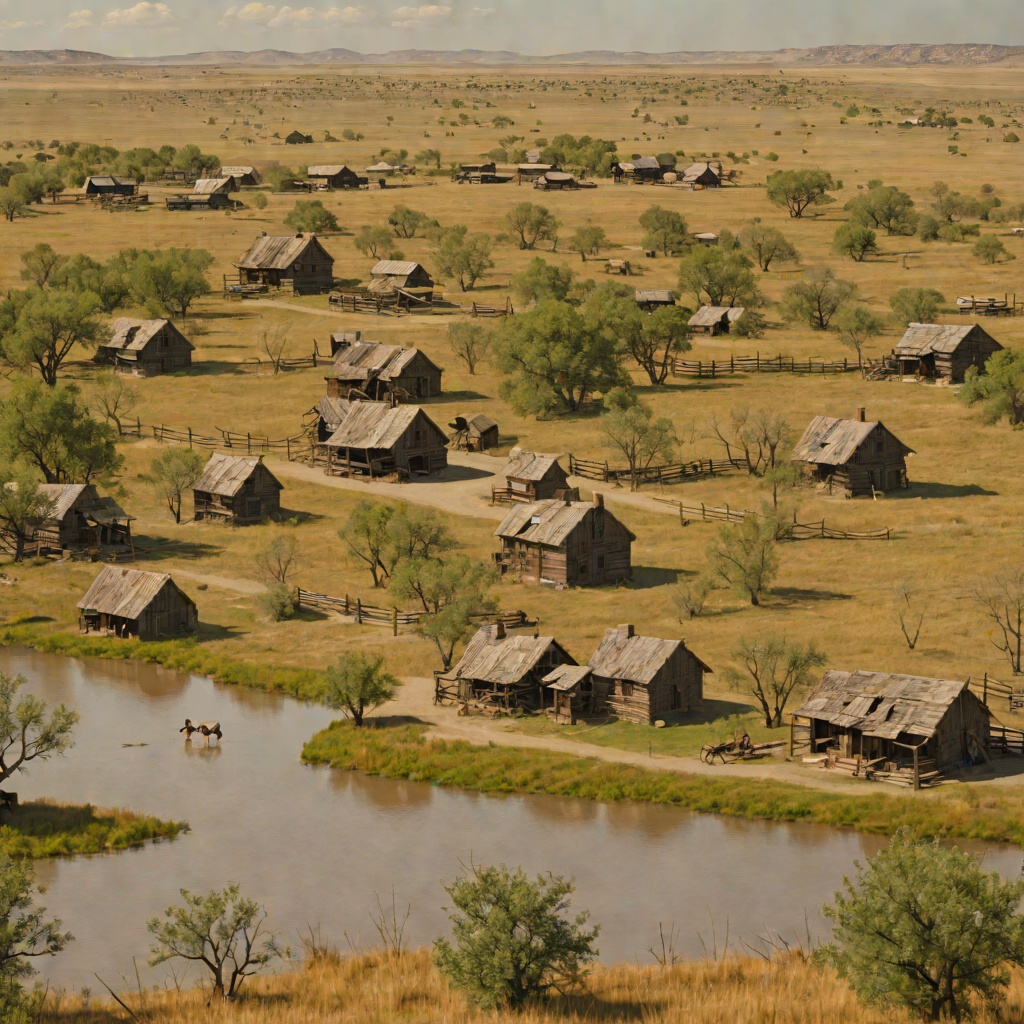
Little House on the PrairieCharles Ingalls, known throughout the family as Pa, is the central figure of action and decision in the Ingalls household. It is his restless spirit and his conviction that Wisconsin has become too crowded that set the family on their journey westward. He tells Ma that wild animals do not stay in a country with so many people, and he prefers a land where they live without fear. His vision of the West is of flat land with thick, high grass where animals run freely and only Indians live, a place he longs to see. This desire, expressed in the long winter evenings, is the catalyst for the family's departure from their little house in Wisconsin, a home they leave lonely and empty among the big trees, never to see again. Pa's decision is made with a sense of urgency, insisting that if they are to go that year, they must go before the ice breaks on the Mississippi River, a practical concern that frames his wanderlust within the realities of frontier travel.
Identity and Background
Charles Ingalls is the husband of Caroline Ingalls and the father of Mary, Laura, and Baby Carrie. He is the family's provider and protector, a man whose identity is deeply tied to the skills of the frontier: hunting, building, and trading. His decision to leave Wisconsin is rooted in a belief that the country is becoming too populated, driving away the wild animals he values. He likes a country where animals live without fear, and he enjoys seeing them in the forest and eating fruit from the trees. This preference for a wild, unspoiled land over the comforts of a settled community defines his character and sets the stage for the family's move to Indian Territory. He is also a man of action, who, upon arriving at a flooded creek, assesses the risk and decides to cross, asking Ma for her agreement before proceeding. His confidence in his own abilities and his optimism about the future are central to his role as the family's leader.
Life and Plot Trajectory
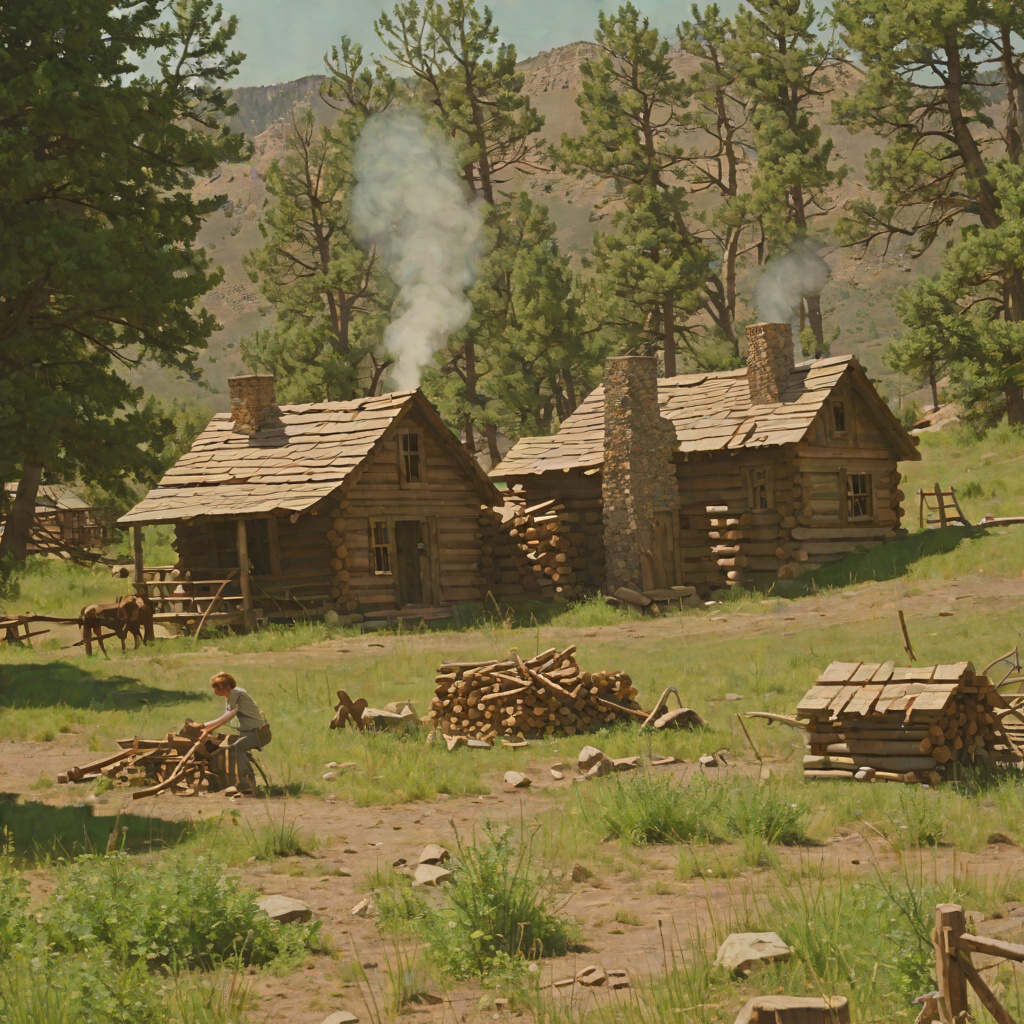
Pa's journey is one of building and then losing a home. After the perilous crossing of the flooded creek, where he is thrown into the water and must swim alongside the horses, he leads the family to the High Prairie. There, he single-handedly begins constructing their new house, measuring the ground, digging trenches, and fitting logs together with his axe. He builds the walls three logs high before Ma helps him, and he works to put a canvas wagon cover over the top until a proper roof can be made. His plan is to build a wood floor and a solid roof before winter, but first he must help Mr Edwards and build a stable. He declares to Ma that they will do well there and be happy for the rest of their lives, a statement of intent that underscores his commitment to this new place. He also builds a door with Laura's help, and later constructs a fireplace so Ma can cook inside the house, demonstrating his practical skills and his care for the family's comfort. His life is a cycle of labor and provision, from getting wood for the door to trading for a cow and calf for the family's sustenance.
Key Actions and Objectives
Pa's primary objective is to establish a secure and prosperous life for his family in the new land. This involves not only building the house but also securing food and resources. He takes his gun to hunt, and he trades his furs in Independence. His actions are often driven by a desire to provide, as when he brings home a cow and a calf given to him by cowboys because the cow was too thin to sell and the calf too small to travel. He also gives the family beef, which Ma cooks, and they all feel happy. His role as provider extends to his interactions with the wider world; he meets new neighbors, the Scotts, and he learns about the movements of the Indians. He is also a figure of authority, enforcing rules of obedience, such as when he tells Laura not to untie Jack or when he insists the girls stay quiet. His objectives are not just material but also social, as he seeks to understand the local situation and navigate the family's place within it.
Relationships and Conflict
Pa's relationship with Ma is one of partnership and mutual respect, though he is clearly the decision-maker. He consults her on the decision to cross the creek, and she supports him, saying she thinks they can. During the crossing, when he is thrown from the wagon, he calls for her to take the horses, and she does, holding the reins with both hands. Their relationship is tested by hardship, as when they both fall ill with malaria. In his sickness, Pa lies on the floor, and Jack, the family dog, tries to rouse him by taking his shirt in his teeth. Pa's first thought is for his family, murmuring that he must get up for Caroline and the girls, before his head falls back and he lies still. This moment reveals his deep sense of responsibility. With his daughters, Pa is affectionate and playful, calling Laura his 'fine little helper' when she helps him build the door. He also shares his knowledge with them, explaining why the Indians are moving west and why the government makes them. His relationship with the wider community includes his friendship with Mr Edwards and Mr Scott, and his encounters with the Osage chief, Great Soldier, whom he learns has argued to save the white settlers. Pa's conflicts are primarily with the external forces of nature and the government, not with his family.
Change and Ending
Pa's story is one of a dream built and then abandoned. After a year of hard work, he is forced to confront the reality that the U.S. government is sending soldiers to remove the settlers from Indian Territory. He refuses to wait to be taken away 'like a criminal,' declaring to Mr Scott that they will go now. This decision marks a profound change from his earlier optimism. He tells Ma they are leaving, though he does not know where they will go. As they depart, he looks back at the little house and the vast prairie, and he says to Ma, 'It's a great country, Caroline. But there will be wild Indians and wolves here for many years.' This statement acknowledges the dangers they have faced and the uncertain future, a far cry from his earlier promise of happiness for the rest of their lives. The ending is one of loss and resignation, yet also of a restless excitement in Laura, who feels excited inside despite the silence. Pa's journey ends not in a settled home but in the open road, embodying the transient nature of the frontier life he loves.
Narrative Role and Evaluation
Pa is the engine of the plot and the embodiment of the frontier myth. His decisions to move, to build, and to leave structure the entire narrative. He is portrayed as a skilled and resourceful man, capable of building a house, hunting for food, and navigating the dangers of the prairie. His optimism and self-reliance are presented as admirable qualities, yet the narrative also shows the costs of his choices. The family faces a flooded creek, a pack of wolves, malaria, and the threat of Indian attack, all consequences of his decision to settle in Indian Territory. His final decision to leave, forced by the government, undercuts the American Dream of land ownership and self-sufficiency that he represents. Pa is not a tragic figure, but his story is a poignant illustration of the impermanence and contradiction at the heart of the frontier experience. He is a man who loves the wild land but cannot ultimately hold it, a pioneer who is himself displaced.