Pa's gun
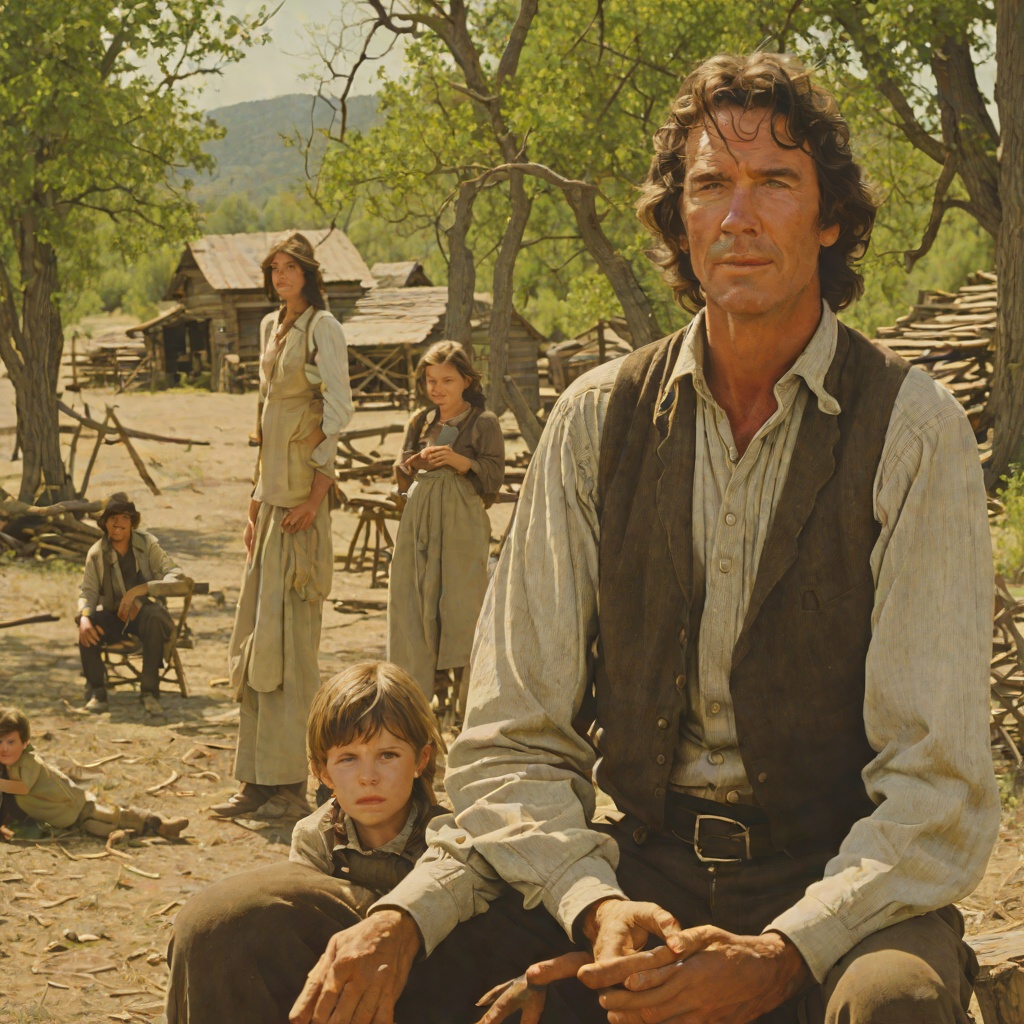
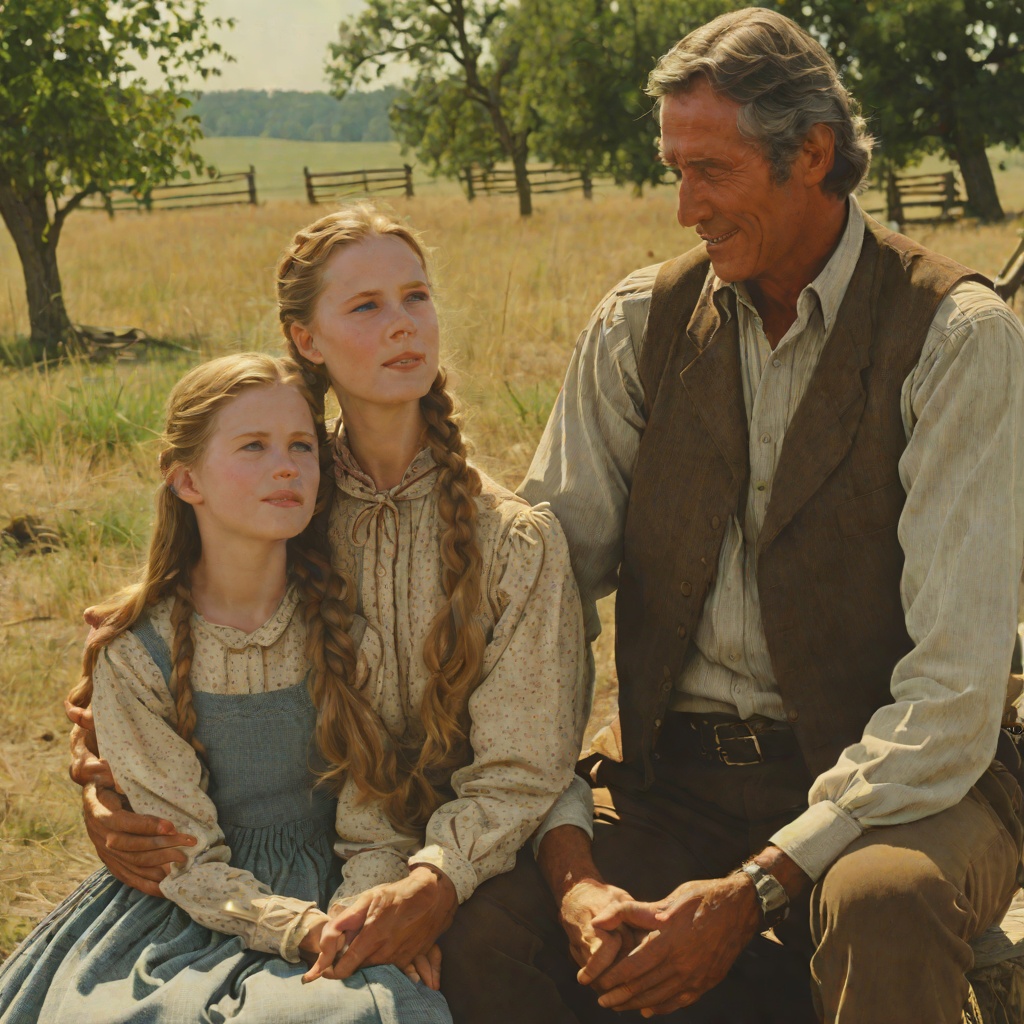
Little House on the PrairiePa's gun is the Ingalls family's constant companion and most vital tool as they travel west and build their new life on the Kansas prairie. It is both a practical instrument for hunting and a symbol of protection, appearing at every moment of danger and marking the family's transition from settled life in Wisconsin to the wilds of Indian Territory. The gun's presence in the narrative tracks the family's fortunes, from the journey's start to the final, reluctant departure, and it becomes inseparable from Pa's identity as provider and protector.
The Gun's Place in the Family's Journey
When the Ingalls family left their little house in Wisconsin, Pa placed his gun inside the wagon where he could reach it quickly, a deliberate act of preparation for the unknown dangers of the West. He also carefully wrapped his fiddle between two blankets to keep it safe, setting the gun and the fiddle as the two poles of frontier life: the instrument of survival and the instrument of joy. The gun was thus established from the very beginning as an essential part of the family's equipment, as necessary as the wagon itself. Pa's decision to keep it within easy reach reflected his understanding that the prairie, however beautiful, was not a safe place.
The gun's importance was demonstrated early in the journey when the family camped on the prairie and Laura spotted two green lights shining in the dark. Pa moved quickly, taking his gun from the wagon and readying himself to shoot at the animal's eyes. He threw wood at the creature, and when it did not move, he walked slowly toward it with the gun held ready, only to discover that the feared wolf was actually Jack, the family's beloved dog, who had been lost and had found his way back. The moment was a false alarm, but it revealed the gun's role as the family's first line of defense against the perceived threats of the prairie.
The Gun as Protector and Provider
Once the family settled on the High Prairie and built their little house, the gun found its permanent place: up over the door, where it could be reached quickly in an emergency. This placement made the gun a fixture of the home, as much a part of the house as the fireplace or the beds. It was a visible reminder of the dangers that surrounded the family and of Pa's readiness to meet them. When Pa went hunting, he took the gun with him, and when he returned with game, he put it back in its place over the door, completing a ritual that marked the successful provision of food for the family.
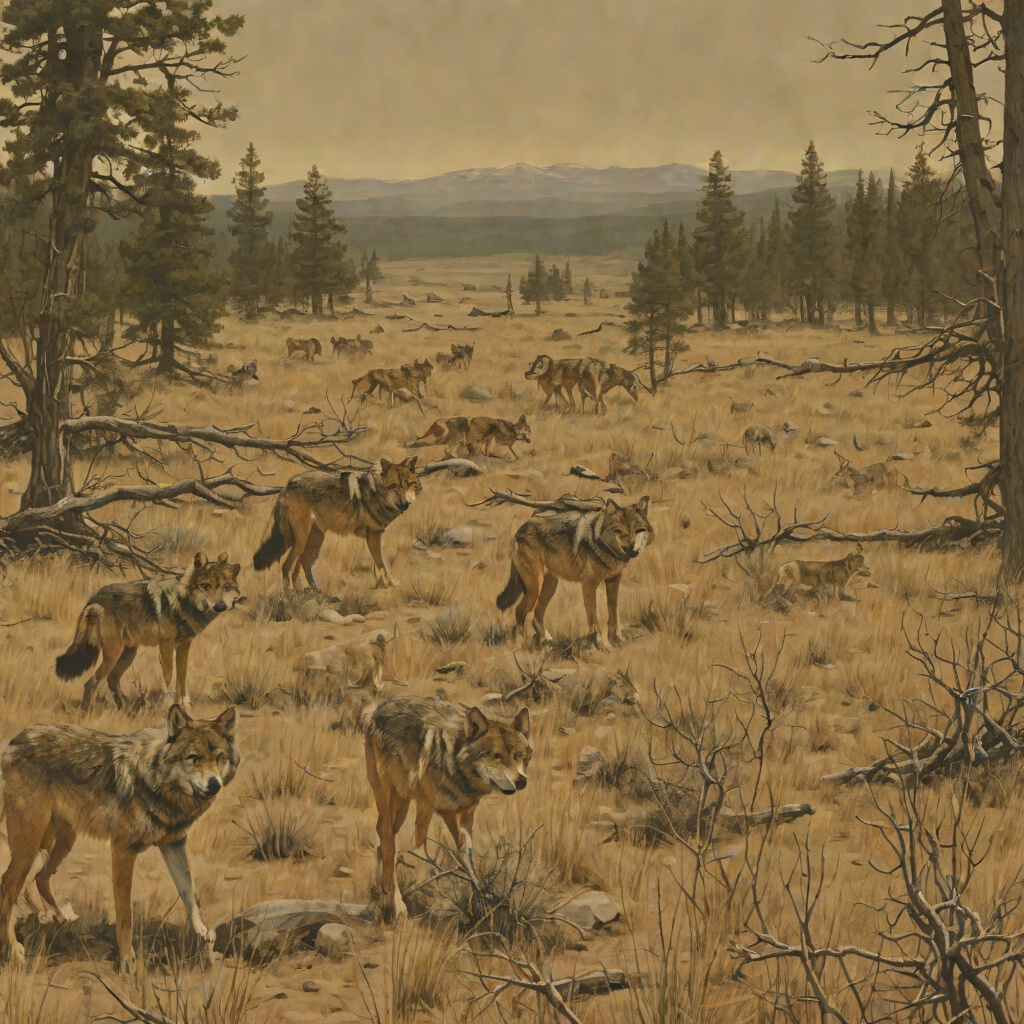
The gun's role as protector was tested most dramatically when wolves surrounded the cabin. Laura woke in the night to find Pa standing with his gun, and a wolf howled right in her ear, just on the other side of the wall. Pa stood ready with the gun as the wolves howled all around the house, and the family's safety depended on his vigilance and the weapon in his hands. Pa had earlier told Ma that he knew she could keep the wolves out of the house with the gun, acknowledging that the weapon was not just his but the family's shared defense. The gun was the difference between safety and vulnerability, the one thing that could hold the wild at bay.
The Gun in Times of Crisis
The gun's significance deepened during the period of Indian unrest, when the family faced the most sustained threat of their time on the prairie. As the Indian drums beat faster and the war-cries grew wilder, Pa stood by the window at night, looking out with his gun in hand. Ma, who had not gone to bed, stayed awake with him, and the gun became the symbol of their vigil. When Laura woke screaming from a terrible sound, Pa told her it was the Indian war-cry, and he remained at the window with his gun, watching and waiting. The gun was the family's only defense against a threat that seemed to surround them on all sides.
During the worst nights, Pa watched and listened all the time, eating little and sleeping only in brief, exhausted moments. One day his head fell onto the table and he slept a little, but he woke with a jump and told Ma not to let him do that again. The gun stayed with him through these sleepless vigils, a constant companion in the face of danger. The weapon was not just a tool but a burden, demanding vigilance and readiness at all hours. Pa's exhaustion was the cost of protection, and the gun was the instrument of that exhausting duty.
The Gun and Frontier Masculinity
Pa's relationship with the gun was central to his identity as a frontier man. He was a hunter and provider, and the gun was the means by which he fulfilled that role. When he encountered a pack of fifty wolves while riding home across the prairie, he did not have his gun, and he admitted that he did not miss it, saying that one could not fight fifty wolves with one gun. The admission was a rare moment of vulnerability, a crack in the facade of frontier masculinity that the gun usually upheld. Pa's fear was real, and his honesty about it revealed the limits of the gun's power.
The gun also marked the boundary between the settlers and the Indians. When Mr Scott and Mr Edwards came with their guns to talk to Pa about building a stockade, Pa argued against it, saying that the worst thing was to show that they were afraid. The gun was thus not just a weapon but a statement of resolve, a refusal to appear weak in the face of threat. Pa's confidence in the gun was part of his larger confidence in his ability to protect his family, a confidence that was tested but never broken.
The Gun and the Family's Departure
The gun's final significance came when the family learned that the U.S. government was sending soldiers to remove the white settlers from Indian Territory. Pa refused to wait for the soldiers to take him away like a criminal, declaring that they would leave on their own. The gun, which had protected the family through wolves, fire, and Indian unrest, could not protect them from the government's orders. The family packed up and left, and the gun, like the house and the land, was left behind. The weapon that had been the family's constant companion through every trial could not change the political reality that drove them from their home.
The gun's story is thus the story of the family's time on the prairie: a story of danger and protection, of provision and vigilance, of a man's role as provider and protector, and of the limits of that role in the face of forces beyond individual control. From the journey west to the final departure, the gun was always there, a silent witness to the family's trials and a symbol of their determination to survive.