Prairie chicken
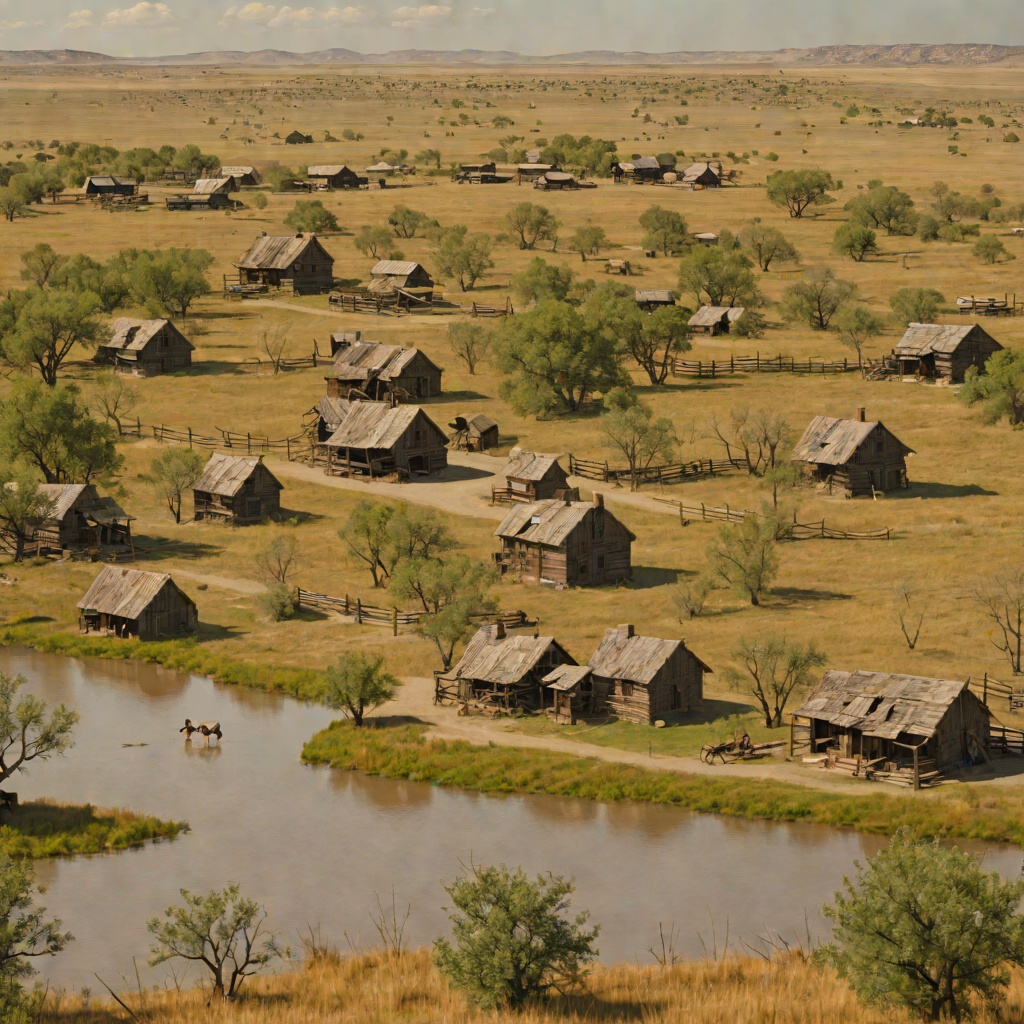
Little House on the PrairieThe prairie chicken is a recurring bird of the High Prairie in Little House on the Prairie, serving as both a staple food source for the Ingalls family and a marker of the seasonal rhythms and dangers of frontier life. It appears in scenes of domestic comfort, hunting, and ecological transformation, and its presence helps define the relationship between the settlers and the land they occupy.
The Prairie Chicken as Food and Sustenance
The prairie chicken is first established as a key food source for the Ingalls family shortly after they arrive on the High Prairie. When Pa returns with logs for the house, Ma cooks a prairie chicken for supper in the newly built fireplace, and the family eats together in their house for the first time. The meal is a moment of domestic triumph: Laura, washed and brushed, sits up straight on her log chair and uses her knife and fork nicely as Ma has taught her, feeling happy to be in a house again. The bird thus becomes associated with the comforts of home and the successful establishment of the family's new life. Later, Pa arrives home with a big rabbit and two prairie chickens, which he and the girls clean together, further cementing the bird's role as a reliable source of meat on the prairie.
Hunting and the Family's Relationship with the Land
The prairie chicken is also central to the family's hunting activities, which Pa undertakes to provide for them. When Pa rides Patty across the prairie to see what he can see, there is plenty of meat in the house, so he does not take his gun, implying that hunting is a regular and necessary activity. The birds are plentiful enough that Pa can bring home two at once, and the act of cleaning them together becomes a family ritual. This hunting reflects the family's dependence on the natural resources of the prairie, a relationship that Pa values deeply. He left Wisconsin because there were too many people and wild animals did not stay in a country with so many people; he liked a country where animals lived without fear. The presence of prairie chickens on the High Prairie is thus a sign of the wild, unspoiled land that Pa sought.
The Prairie Chicken in the Ecosystem of the Prairie
The prairie chicken is part of the larger ecosystem of the prairie, appearing alongside other animals in moments of both calm and crisis. Laura and Mary, busy all day in the tall grass, watch baby prairie chickens running to their mothers, observing the birds as part of the natural world around them. The birds also appear in the aftermath of the prairie fire, when the animals come out of the creek, the birds come flying, the rabbits jump slowly and look, and the prairie chickens come out walking. This return of the birds after the fire signals the resilience of the prairie ecosystem. Pa explains that the Indians have always burned the prairie to make the green grass grow more quickly and to make it easier to ride horses in shorter grass, so the fire is a natural and cultural event that the prairie chickens, like the other animals, survive and adapt to.
The Prairie Chicken and the Threat of the Wild
The prairie chicken also serves as a contrast to the more dangerous animals of the prairie, particularly the wolves. When Laura feels small and frightened on the High Prairie without the wagon, she wants to hide in the tall grass like a prairie chicken, a comparison that suggests the bird's vulnerability but also its ability to conceal itself. The wolves, by contrast, are a source of terror, howling around the house and trying to smell the family through the cracks in the walls. The prairie chicken, as a prey animal, represents the gentler, more manageable side of the prairie, while the wolves represent its wild and threatening aspects. This contrast is reinforced during the Indian war-cry crisis, when the wild howls of the Indians are described as worse than wolves, and the prairie chicken's presence in calmer moments highlights the peace that the family loses during times of danger.
The Prairie Chicken and the Transformation of the Land
The prairie chicken is also tied to the transformation of the land through agriculture. When Pa is working hard to plant potatoes, Pet and Patty pull the heavy plough, breaking up the grassy earth and turning it over. Pa likes the land because it is so rich, and there is not a tree or stone in it. This ploughing of the prairie, which is home to the prairie chickens, represents the settlers' attempt to tame the land and make it productive. The prairie chicken, as a native species, is displaced by this agricultural activity, even as it remains a source of food for the family. The bird thus embodies the tension between the settlers' desire to live off the land and their drive to transform it, a tension that is central to the family's experience on the frontier. When spring comes and the whole prairie is green, Pa hurries into the field with the horses and his plough, and Mary and Laura help Ma plant the seeds for the vegetables, with Pa declaring that soon they will have vegetables to eat and live like kings. The prairie chicken, once a primary food source, is gradually supplemented by the vegetables that the family grows, marking the shift from a hunter-gatherer existence to an agricultural one.