Verdigris River
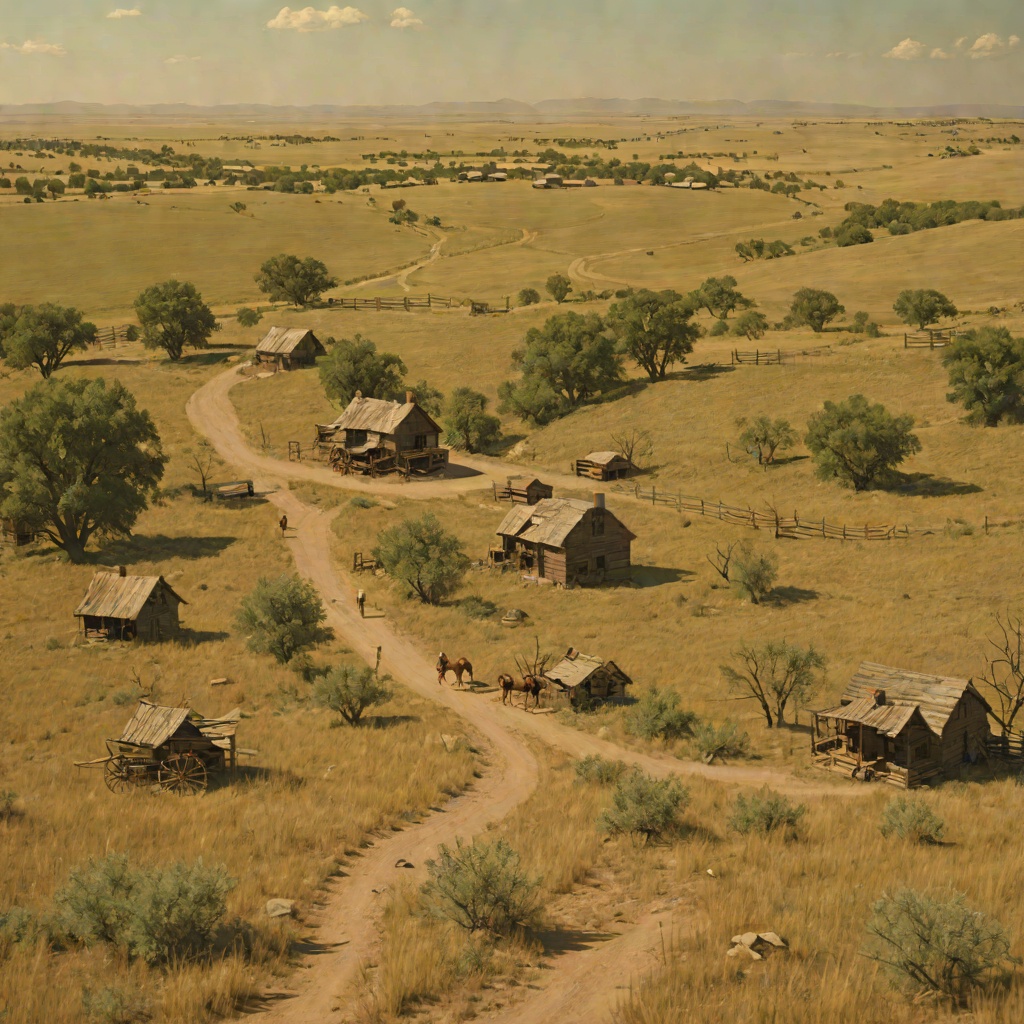
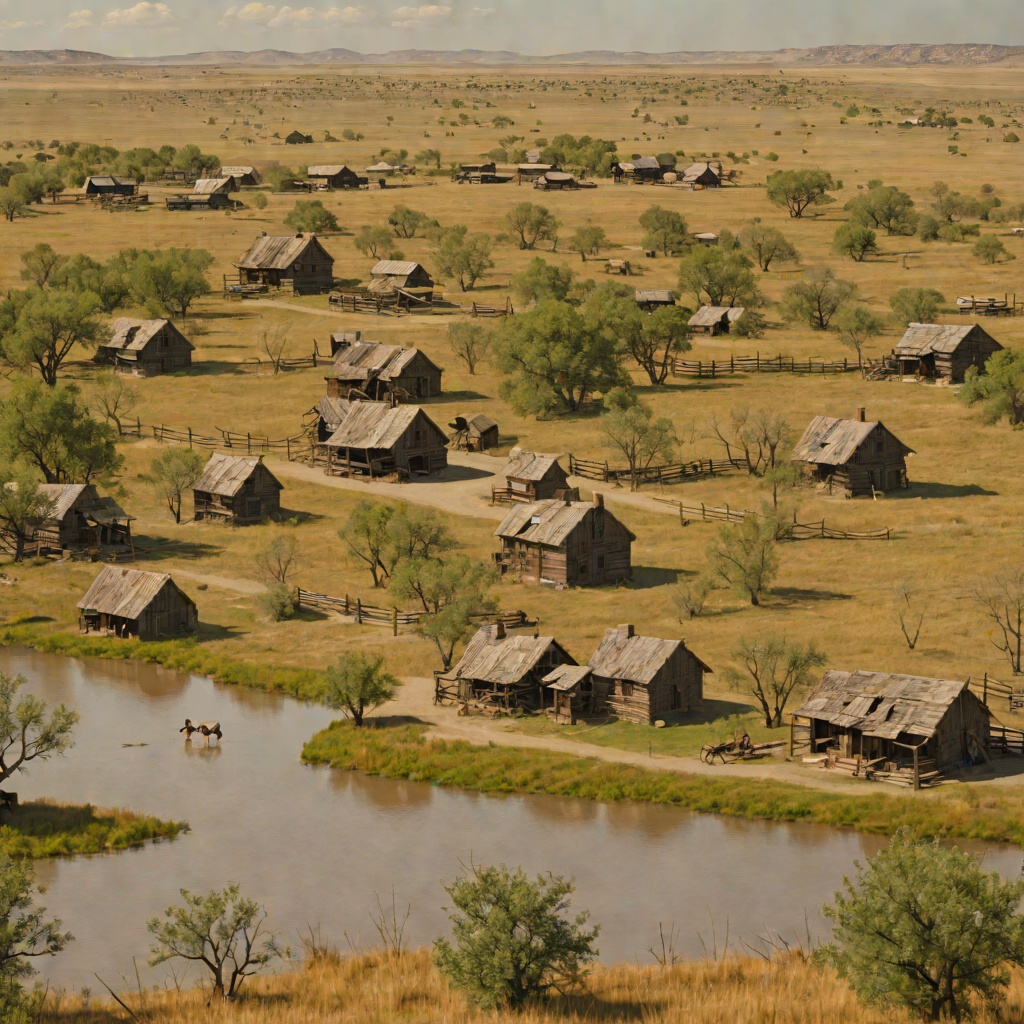
Little House on the PrairieThe Verdigris River is the defining geographical landmark of the Ingalls family's Kansas homestead. When the family first arrives on the High Prairie, Pa points to a line of dark green tree-tops lying below the prairie and identifies it for Ma: "That's the Verdigris River." This moment of naming fixes the family's location in the vast, trackless grassland, giving them a reference point in a landscape where there is nothing around them but grass that reaches to the edge of the sky. The river becomes the southern anchor of their world, the boundary beyond which the settled, known parts of the territory begin.
The River as a Boundary and Reference Point
The Verdigris River functions throughout the narrative as the family's primary geographical reference. When Mr Edwards arrives at the Ingalls house on Christmas morning, he explains that Santa Claus knew of "two good little girls named Mary and Laura who lived by the Verdigris River." The river is thus the identifying feature of the family's home, the landmark that locates them in the wider world. It is also the boundary that separates the family's homestead from the town of Independence, where Pa travels to trade. The river marks the edge of the family's immediate world, the point beyond which the prairie gives way to the settlements and markets of the frontier.
The River and the Family's Economy
The river is intimately connected to the family's economic life. Pa spends the winter hunting and collecting furs, carefully drying the skins outside the house and softening them in the evenings, saving them all to trade next spring in Independence. The river is the natural obstacle that separates the family from that market town, and its crossing becomes a regular part of Pa's trading expeditions. When Pa returns from one such trip to Independence, he brings back brown sugar, coffee, cornmeal, salt, and all the seeds they need, along with cotton cloth for Ma to make herself a dress and combs for Mary and Laura. The river is thus the conduit for the family's connection to the wider economy, the waterway that both separates them from and connects them to the goods and supplies of the frontier town.
The River in the Family's Departure
The Verdigris River also marks the family's departure from the prairie. When the U.S. government orders the removal of white settlers from Indian Territory, Pa begins to put the canvas cover on the wagon, and Laura and Mary know they are really going away. The next morning, Pa and Ma pack the wagon, laying two beds across the back and packing the clothes, food, and dishes. The only thing they cannot take is the plough. As they prepare to leave, Laura wants to see the house again, so Pa opens the back of the wagon cover, and Mary and Laura look out at their little log house. Then Pa climbs to his place beside Ma, takes the reins, and Pet and Patty walk away from the little house on the prairie, leaving the Verdigris River and the life they had built beside it behind.
The River as a Constant Presence
Throughout the family's time on the prairie, the Verdigris River is a constant presence, even when it is not directly mentioned. It is the river that Pa crosses when he goes hunting, the river that Mr Edwards swims to bring the Christmas presents, and the river that marks the boundary of the family's claim to the land. The river is also the site of the family's most dangerous moments, as when the wagon crosses a flooded creek and Pa is swept into the water, holding onto Pet's head and talking calmly to the horses while Ma sits alone holding the reins. The river is thus both a source of life and a source of danger, a landmark that gives the family its place in the world and a force that threatens to sweep them away. In the end, the Verdigris River remains what it was when the family first arrived: the line of dark green tree-tops on the horizon, the boundary of their brief, intense life on the High Prairie.