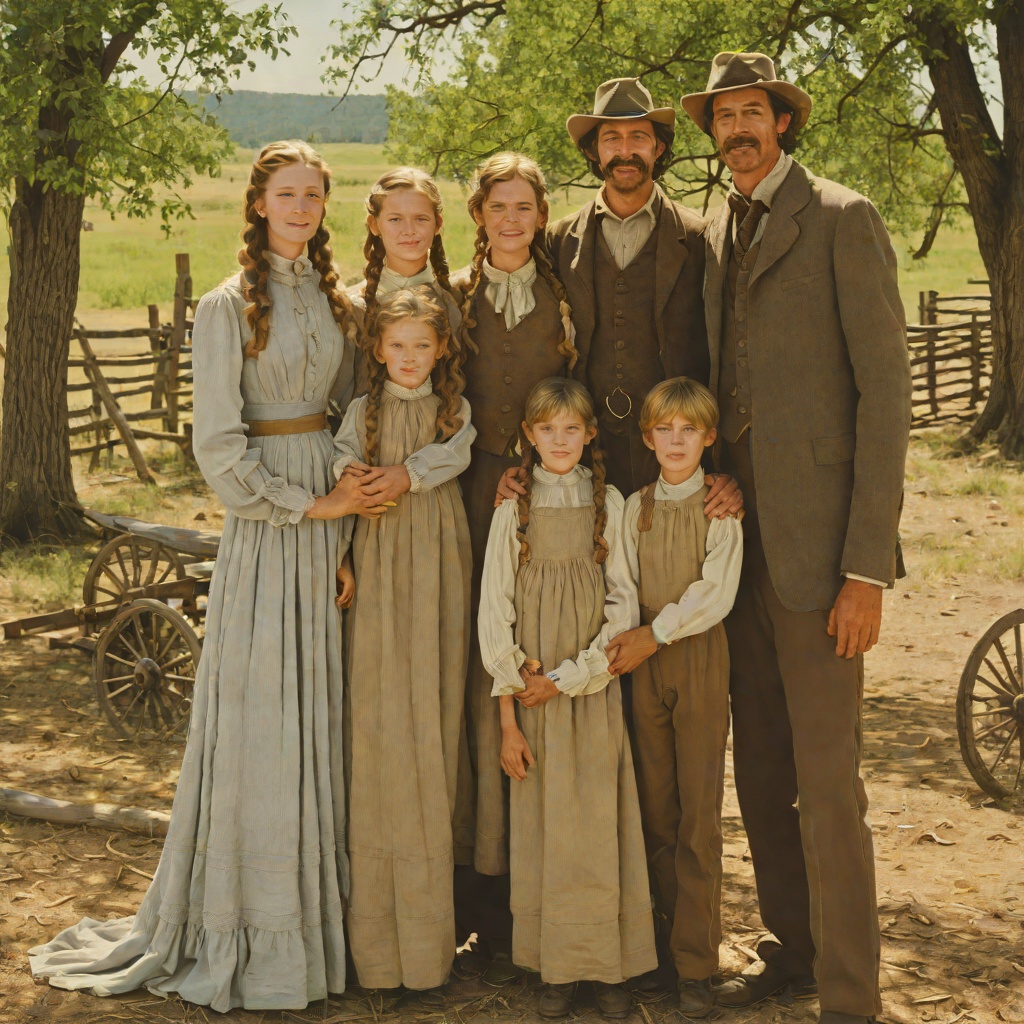
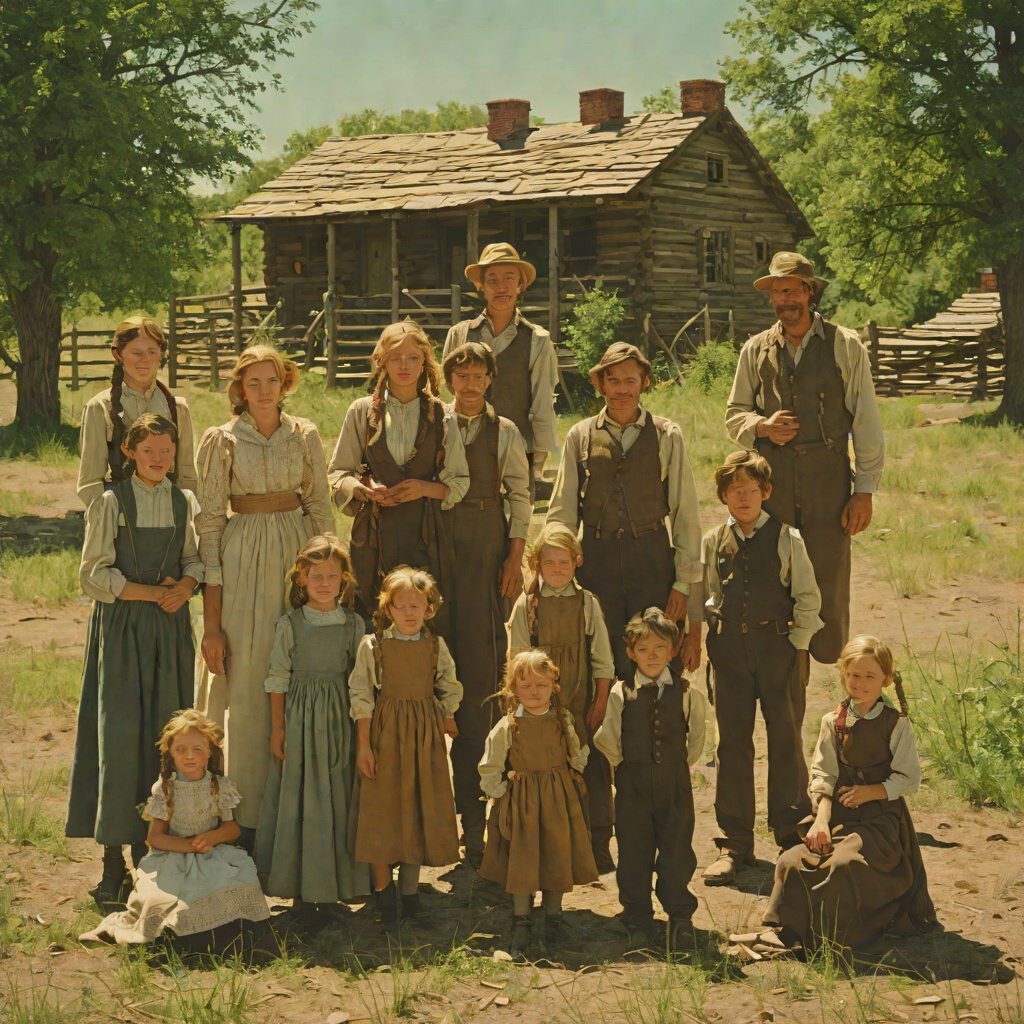
What's a year We have all the time in the world.
Little House on the PrairieOn the last night the Ingalls family spends in their little house on the Kansas prairie, with the wagon already being prepared for departure, Ma looks back on the twelve months they have lived there and says, sadly and gently, "A year gone. Charles." Pa answers her not with consolation for what is lost but with a smile and a declaration that redefines loss itself: "What's a year? We have all the time in the world." The line is the novel's closing philosophy, the distilled expression of everything the family's westward journey has meant — a refusal to measure life in fixed spans of time or place, and an embrace of the future as an open, unbounded horizon.
The Moment of Departure
The exchange comes at the story's end, after the U.S. government has ordered white settlers out of Indian Territory and the family must abandon the home they built with their own hands. Everyone is quiet that night; Ma's words carry the weight of a year of labor, danger, and hope now reduced to memory. Pa's reply, delivered with a smile, does not deny the loss but dissolves it — a year, in his reckoning, is nothing against the infinity of time ahead. The next morning the packing begins: Ma lays two beds across the back of the wagon, then she and Pa pack the clothes, the food, and the dishes. The only thing they cannot take is the plough, the tool that had turned the prairie soil and symbolized their attempt to put down roots. Laura and Mary climb into the wagon and sit on the bed in the back, with Baby Carrie placed between them, and Pa opens the back of the wagon cover so the girls can look out one last time at their little log house. Then Pa climbs to his place beside Ma, takes the reins, Jack goes under the wagon, and Pet and Patty walk away from the little house on the prairie.
The Philosophy of the Covered Wagon
Pa's words are the culmination of a worldview voiced throughout the journey westward. Earlier, the family had lived by the principle that "you never know what will happen next, nor where you will be tomorrow, when you are travelling in a covered wagon" — a creed that turns uncertainty from a threat into an adventure. The same spirit had moved them to leave Wisconsin, cross the Mississippi River, and press on into Kansas, trading a tired brown horse for the two black ponies Pet and Patty, and building a new home from logs on the High Prairie. Pa's answer to Ma transforms the family's expulsion from Indian Territory into just another turn in an endless road. Where Ma sees a year of effort erased, Pa sees time itself as the family's true possession — not land, not a house, not even the plough they must leave behind, but the limitless future in which all things remain possible.
The Value of Time and Objects
The line gains its force from the material world the family is leaving. Throughout the year, objects had measured their progress and their hopes: the bundle of furs Pa collected and dried in the sun, saving them to trade next spring in Independence; the seeds and supplies he brought back from his trading trip, along with brown sugar, coffee, cornmeal, and salt; the cotton cloth for Ma to make herself a dress; the two combs with bright stars, Mary's blue and Laura's red, that Pa gave the girls because Mary waited so quietly. Even the tin cups that appeared in the girls' stockings on Christmas morning — bright, new, their very own — had marked the family's small victories over scarcity. Now, on the eve of departure, Pa's words declare that none of these possessions, not even the plough that cannot be carried, defines the family's wealth. What matters is the time they have, which is all the time in the world.
The Meaning of the Year
The year on the prairie had been one of extraordinary trial and triumph. The family had survived wolves surrounding the cabin, a prairie fire, malaria that struck them all, and the terrifying war-cries of Indians massing nearby. They had been saved by Dr Tan's medical care, by Mr Edwards swimming the flooded creek to bring Christmas presents, and by the Osage chief Great Soldier, who prevented an Indian attack. They had also witnessed the Indians' departure from the prairie and the strange, silent visit of the Osage chief who rode past their house without looking at them. Through all of this, Pa had remained the family's anchor — hunting, building, trading, and playing his fiddle — and his final words gather that entire year of experience into a single, serene refusal to mourn. The year is not wasted; it is simply the first of many.
The Enduring Resonance
Pa's reply stands as the novel's last spoken wisdom, a benediction spoken over the family as they roll away from the little house. It echoes the earlier sentiment of living "like kings" and the restless energy that first carried them west, and it reframes the entire book as not a story of loss but of perpetual beginning. The line's power lies in its timing — spoken not in triumph but in quiet sadness, not by Pa in the midst of action but in answer to Ma's gentle grief. It is the philosophy of the covered wagon made explicit: home is not a place but the journey itself, and time is the one resource that can never be taken away. As Pet and Patty walk away from the little house on the prairie, Pa's words remain the family's true possession, the promise that wherever they go next, they will have all the time in the world to get there.