the plough
Little House on the PrairieThe plough is the central agricultural tool of the Ingalls family's year on the Kansas prairie, the object that transforms their claim on the land into a working farm and the material symbol of their hopes for the future. It is the reason Pa undertakes his long trading trip to Independence, the instrument that breaks the rich grassy earth for planting, and ultimately the one possession they are forced to abandon when the U.S. government orders them to leave Indian Territory. More than any other object in the little house, the plough binds the family's westward dream to the soil itself, and its loss marks the end of that dream.
The Plough as the Family's Goal
The plough enters the family's plans almost as soon as they arrive on the High Prairie. When two Indians walk into the house and one of them seizes the bundle of furs that Pa has been carefully collecting, Ma's first thought is not for the lost furs but for what they were meant to buy. "I'm thankful they didn't take the plough and seeds," she says, and when Laura asks what plough she means, Ma explains that Pa is going to trade the bundle of furs for a plough and lots of different seeds in the spring. The plough is thus established as the family's great project, the purpose toward which all of Pa's winter hunting and fur-drying labor is directed. The bundle of furs that grows on the floor through the winter, which Laura loves to feel with her fingers, exists for the sake of this one tool.
The Trading Trip to Independence
The plough is the cause of the family's most anxious separation. When Pa announces that he must go to Independence to trade the furs, Ma protests that the Indians are so near, but she ultimately insists he must go: "We must have a plough and seeds." Pa leaves before sunrise, and Laura and Mary count the long, empty days — one, two, three, four — while he is gone. When he finally returns, the plough is the first thing he attends to, putting the horses and the new plough in the stable before he comes back to open the bundles of supplies. The plough is also the answer to Ma's gentle reproach that he bought nothing for himself: "Oh, I got myself a plough," Pa says, "The weather will soon be warm enough to start using it." The tool is not a luxury but the family's future, and Pa's framing of it as his own present reveals how completely his identity is bound up in the work of the land.
Breaking the Prairie Earth
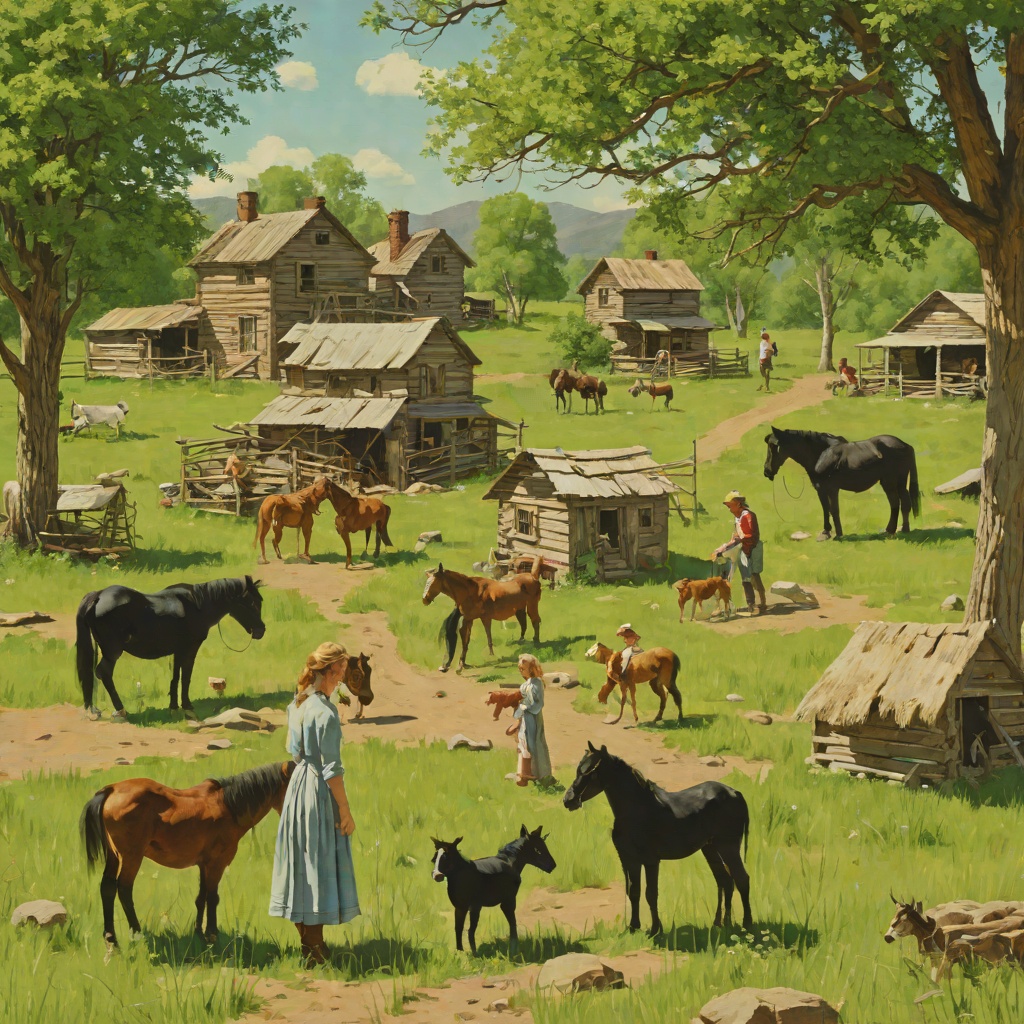
With spring, the plough becomes the instrument of transformation. Pa works hard getting ready to plant potatoes, and Pet and Patty work hard too, pulling the heavy plough as it breaks up the grassy earth and turns it over. Pa likes the land because it is so rich, and there is not a tree or stone in it — the plough moves through it freely, converting the wild prairie into a field. The plough is also central to the family's most desperate moment of danger. When Pa spots the prairie fire coming, he runs behind Pet and Patty as they pull the plough, using it to cut a long trench all the way around three sides of the house. The same tool that breaks the earth for planting becomes the family's defense against the fire, a furrow that stops the flames from reaching the little house. The plough thus serves both creation and protection, the instrument of the family's livelihood and of their survival.
The Plough and the Prairie Fire Debate
The plough's work is entangled with the question of the Indians' intentions. When Mr Edwards and Mr Scott come to the house that night, worried that the Indians started the fire to frighten the white settlers away, Pa disagrees, explaining that the Indians have always burned the prairie to make the green grass grow more quickly and to make it easier to ride their horses in shorter grass. The fire, in Pa's view, is not an attack but a practice of the land's original inhabitants, while the plough represents the settlers' own way of reshaping that same land. The two tools of transformation — the Indians' fire and the settlers' plough — stand in quiet contrast, both altering the prairie, but the plough is the one that claims the land as the family's own.
The Plough's Abandonment
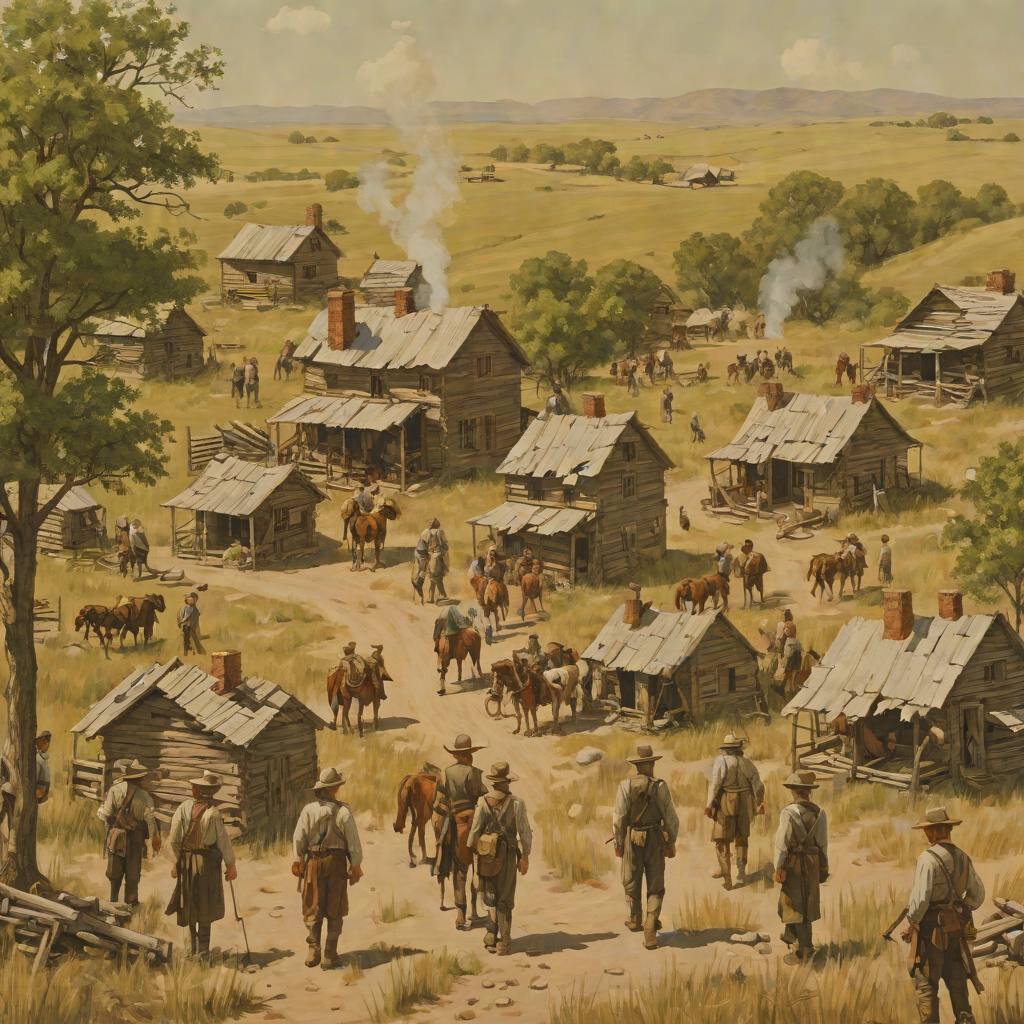
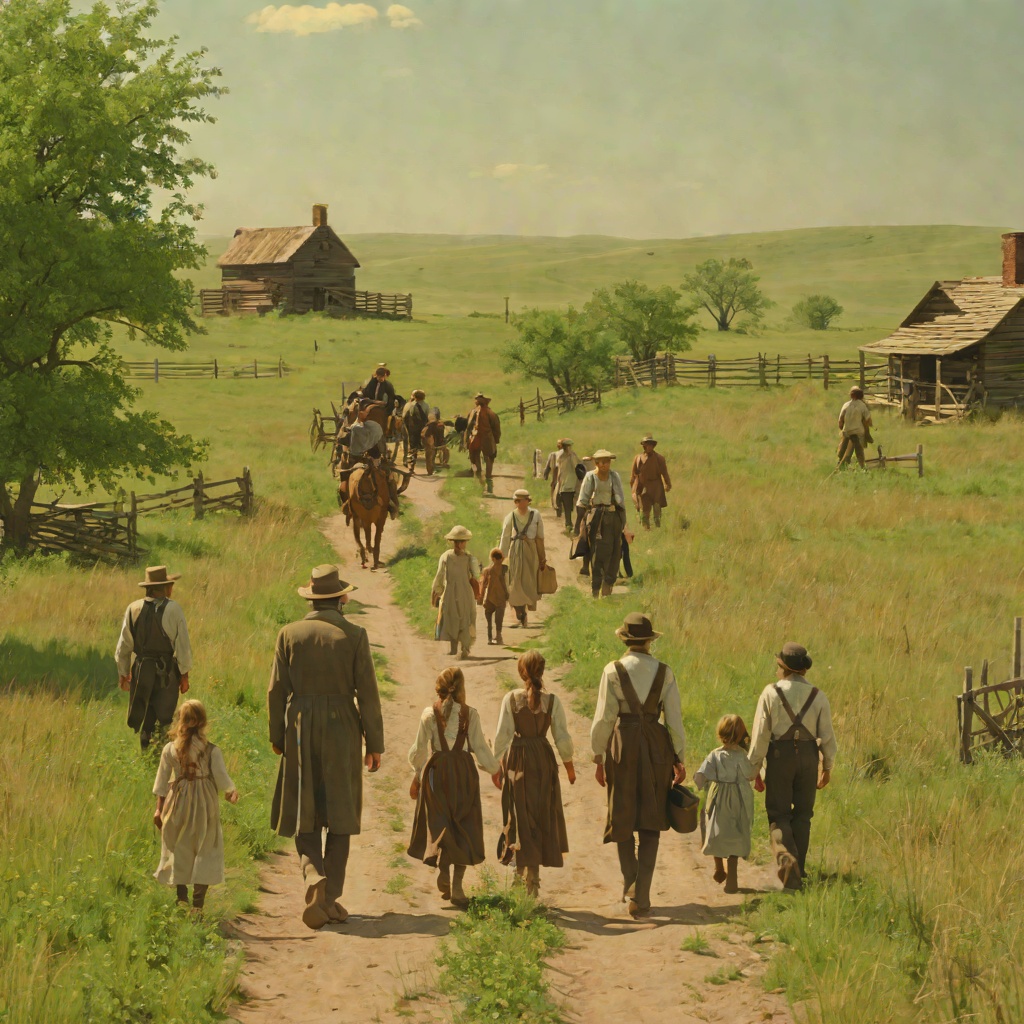
When the U.S. government orders the white settlers to leave Indian Territory, the plough becomes the one thing the family cannot take. As Pa and Ma pack the wagon, laying two beds across the back and packing the clothes, the food, and the dishes, the plough is left behind. It is too heavy, too rooted in the soil it was meant to break. The plough that was the family's great goal, the object of Pa's winter labor and his long trip to Independence, the tool that saved them from the fire and planted their vegetables, is simply abandoned. The loss is registered in the quiet of the departure: Pa says the country is great but will have wild Indians and wolves for many years, and Laura feels all excited inside even as the family drives away from the little house. The plough remains in the earth it turned, a monument to the year the Ingalls family tried to make the prairie their own and were told they could not.
The Plough's Significance
The plough is the material heart of the family's westward hope. It is the promise of vegetables and of living like kings, the proof that the rich land will yield to labor, and the symbol of everything the family builds and then must leave. Its abandonment is the final, concrete sign that the Ingalls family's claim to the prairie was never secure, that the land belonged to others who would decide who could stay. The plough, more than the little house or the tin cups or the combs with their bright stars, is the object that ties the family's story to the soil — and its loss is the story's quiet ending.