
Jo’s Moral and Artistic Awakening
Little WomenJosephine March learns to govern her temper, discipline her ambition, and redirect literary talent toward humane storytelling and service.
increasing Bearing strength in each event
 decreasing
Bearing strength in each eventdecreasingThe Bosom Enemy
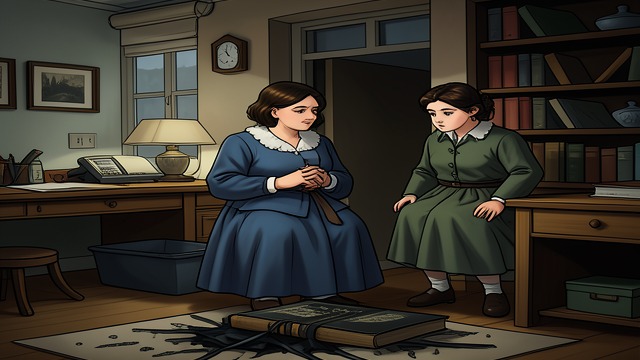
A Temper in Conflict
Impulsive Anger
Josephine March is energetic, funny, and fiercely loyal, but her temper repeatedly turns affection into injury. She recognizes that anger is her most dangerous internal opponent.
Marmee’s Example
Mrs. March admits that she too struggles with anger and models deliberate restraint. Josephine March begins to understand self-control as lifelong work rather than sudden perfection.
Amy’s Burned Manuscript
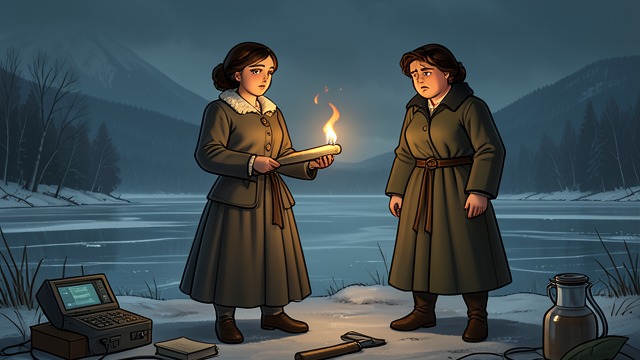
Injury and Retribution
Creative Loss
Amy Curtis March burns Josephine March’s manuscript after being excluded from an outing. The act destroys years of imaginative labor and exposes the sisters’ mutual capacity for cruelty.
The Ice Crisis
Josephine March’s anger persists until Amy Curtis March falls through rotten ice. Fear breaks the cycle, and remorse leads Josephine March toward forgiveness.
The First Printed Story
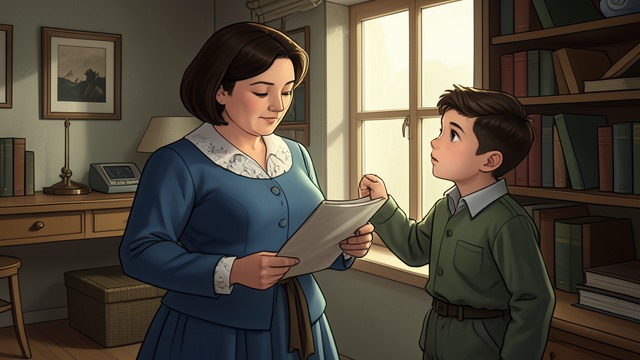
A Public Beginning
Literary Proof
Josephine March’s story “The Rival Painters” appears in print, validating an ambition previously known only to her family and Theodore Laurence.
Independence
The publication gives her confidence that writing may become useful work. Her art is no longer only play; it becomes a possible means of supporting those she loves.
Hair for Father
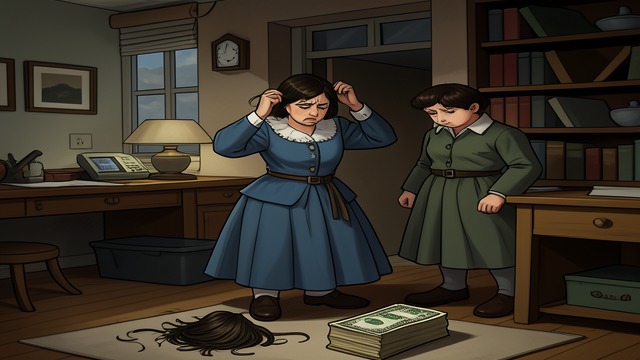
Sacrifice for Family
A Wartime Emergency
When Mr. March falls dangerously ill in Washington, Josephine March wants to contribute materially rather than merely grieve.
Vanity Surrendered
She sells her hair for twenty-five dollars. The sacrifice wounds her pride, yet confirms that love and usefulness matter more to her than appearance.
The Writer’s Reorientation
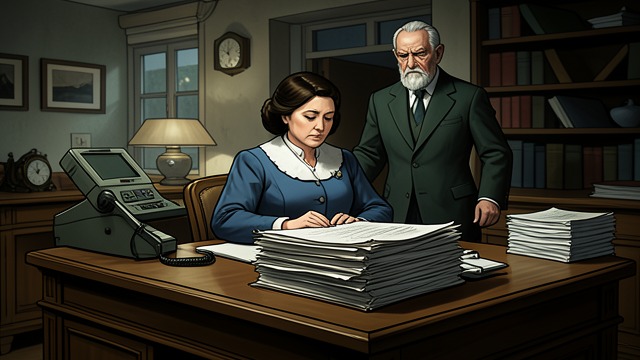
From Sensation to Truth
False Success
Josephine March writes sensational stories for money and discovers that commercial success can corrupt imagination. Friedrich Bhaer’s moral criticism forces her to examine the influence of her work.
A Better Voice
After Elizabeth March dies, Josephine March writes from grief, family memory, and compassion. Her simpler story succeeds because lived feeling gives her fiction truth.
early winter
after Amy’s exclusion from the theater
the autumn after the ice accident
the November telegram
after Elizabeth March’s death
