
The Pickwick and Hedge World
Little WomenThe sisters’ club and post office create a miniature society where imagination rehearses authorship, friendship, gender roles, and community.
increasing Bearing strength in each event
 decreasing
Bearing strength in each eventdecreasingThe Weekly Paper
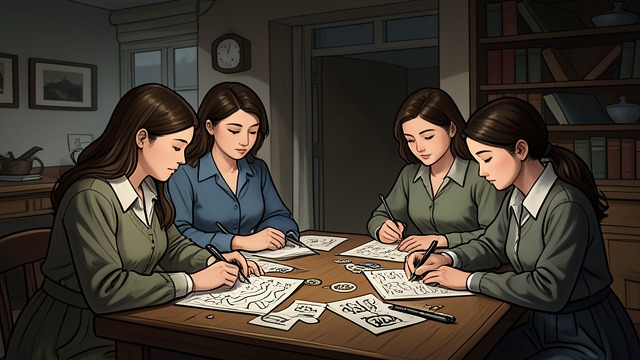
A Girls’ Institution
Literary Play
The Pickwick Club publishes The Pickwick Portfolio with poems, stories, advertisements, and affectionate criticism.
Self-Government
The girls imitate adult institutions while learning editorial judgment and responsibility. Their private paper becomes a rehearsal for Josephine March’s public writing.
The New Member
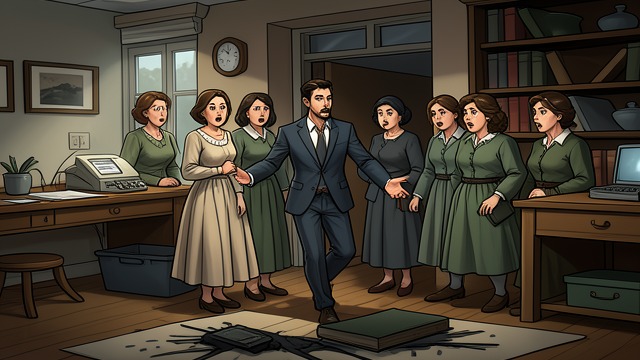
Theodore Laurence Enters
Gender Boundary
The club initially rejects boys as noisy, mocking, and unsuitable. The sisters fear exposure of their imaginative world.
Trust Extended
Josephine March introduces Theodore Laurence through a playful deception. His admission enlarges the club without destroying its intimacy.
The Post Office
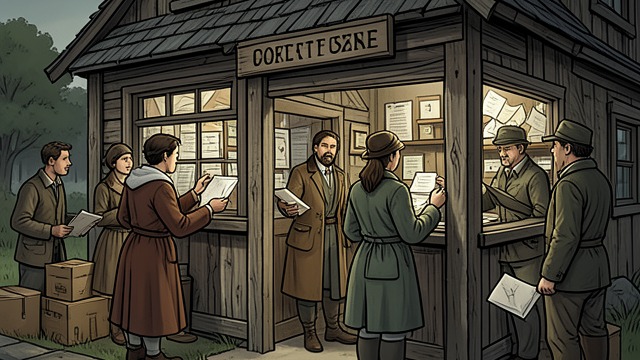
Communication Invented
A Hedge Institution
Theodore Laurence establishes the hedge post office in an old martin house. Letters, books, food, and comic messages begin crossing the boundary.
Community Through Exchange
The post office turns neighboring houses into one social world. Private affection becomes a public ritual of communication.
The Club’s Memory
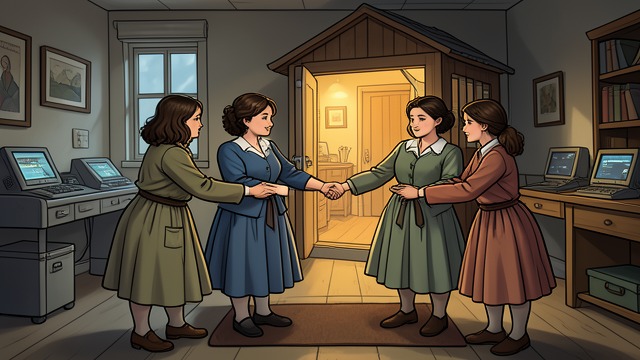
Childhood Preserved
Changing Lives
The sisters’ occupations and relationships expand, but the club remains a remembered emblem of their shared childhood.
Continuity
Its playful rules anticipate later institutions such as Plumfield School. Imagination becomes a durable form of family memory and social invention.
The Written Family
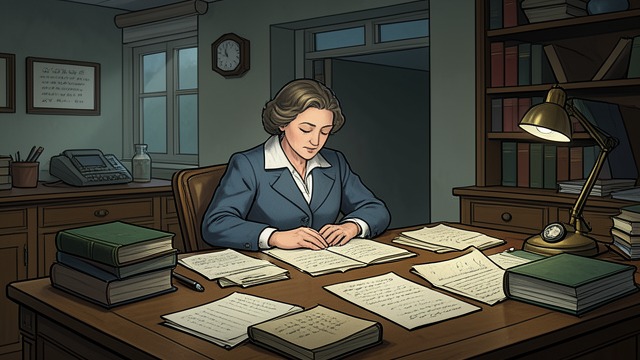
Stories as Kinship
Archives of Affection
Letters, journals, poems, and manuscripts preserve the sisters’ inner lives when distance and death separate them.
Narrative Inheritance
Josephine March becomes the family’s principal storyteller, transforming private history into art. Writing keeps the household emotionally present across generations.
the spring after the first winter
the first summer meeting
the same summer
the years after Margaret March’s marriage
near the ending
