
The Wedding and Social Order
Little WomenThe marriages of Margaret March and Amy Curtis March redefine wealth, status, gender, and family belonging through chosen partnership.
increasing Bearing strength in each event
 decreasing
Bearing strength in each eventdecreasingMarriage Debate
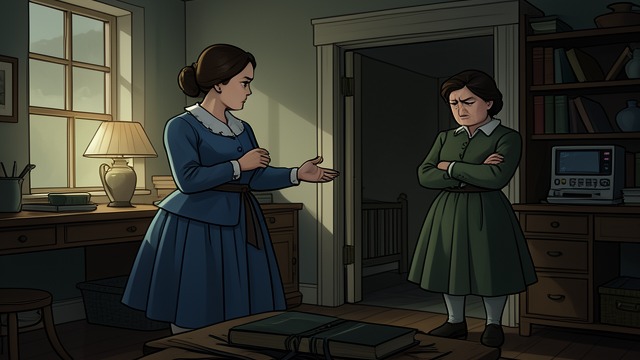
What Makes a Good Match
Maternal Counsel
Mrs. March distinguishes a loving, useful marriage from a rich but loveless social alliance.
Jo’s Resistance
Josephine March prefers permanent family unity and distrusts romantic separation. The debate establishes marriage as both fulfillment and change.
Margaret’s Choice
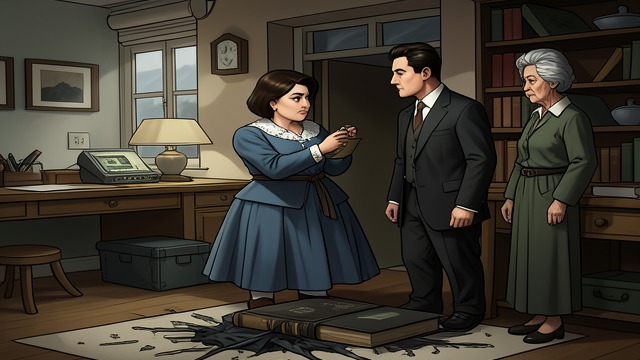
Love Against Wealth
Aunt March’s Threat
Aunt March threatens to disinherit Margaret March if she marries John Brooke.
Defiant Love
Margaret March chooses John Brooke despite poverty. Her decision proves that family teaching has survived social pressure.
The First Wedding
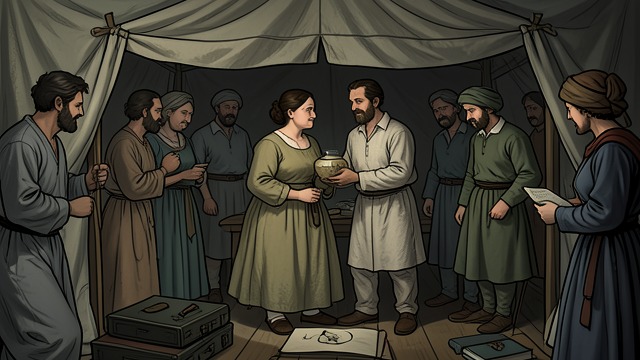
A Family Ceremony
Intimate Celebration
Margaret March makes her own gown and marries surrounded by relatives and friends rather than fashionable display.
Continuity
The wedding does not sever Margaret March from the family. It relocates her love into Dovecote while preserving the old household’s emotional center.
Amy’s Refusal
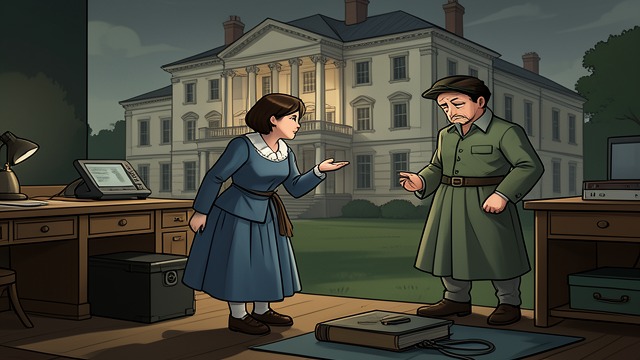
Wealth Rejected
Fred’s Offer
Amy Curtis March refuses Fred Vaughn despite the security and status he represents.
A New Standard
Her refusal confirms that her inner education has replaced her former mercenary ambition. She now wants love that can sustain character.
The European Wedding

Love Confirmed Abroad
A Quiet Marriage
Theodore Laurence and Amy Curtis March marry in Paris to resolve travel and chaperone difficulties.
Family Surprise
Their secret marriage shocks Josephine March but ultimately reunites the family. Their union combines romance, friendship, wealth, and mutual moral correction.
after Margaret March returns from the Moffats
near the first Christmas after the war
the following June
the spring after Elizabeth March’s death
six weeks before Laurie’s homecoming
