
The Evolution of Work
Little WomenLabor changes from an unwanted burden into a source of dignity, independence, emotional balance, and service to others.
increasing Bearing strength in each event
 decreasing
Bearing strength in each eventdecreasingReluctant Duties
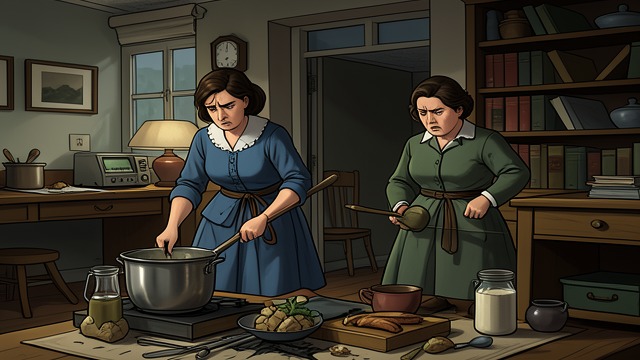
Work as Weight
Resentment
Margaret March dislikes governess work, Josephine March resists Aunt March, and Elizabeth March tires of domestic tasks. Each experiences labor as confinement.
Shared Recognition
Their complaints reveal different forms of privilege and fatigue. The household begins to understand that every member carries a necessary burden.
The Workless Experiment
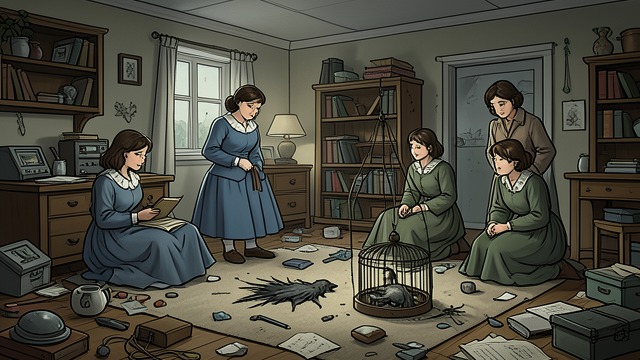
Leisure Becomes Empty
Disordered Freedom
Without assigned tasks, the sisters become restless and careless. Their abandoned rooms and dead bird expose the hidden work that normally supports their happiness.
Revaluation
Mrs. March’s experiment teaches that useful labor gives leisure its sweetness. The lesson is practical, but also moral: responsibility prevents self-absorption.
The Washing Song
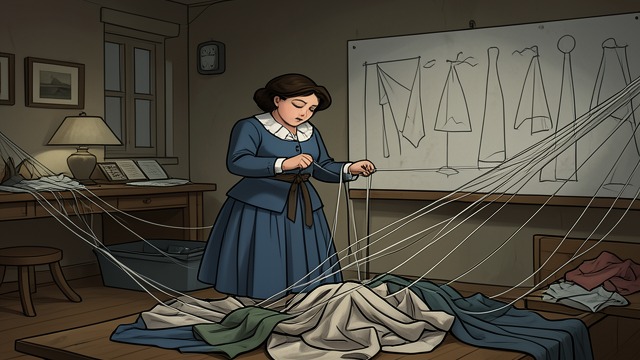
Work as Prayer
Jo’s Reframing
Josephine March composes A Song from the Suds while helping with laundry. The ordinary task becomes a language for cleansing, hope, and discipline.
A New Ideal
The poem joins physical effort to moral renewal. Work no longer merely produces comfort; it trains the mind and steadies the heart.
Marriage and Housekeeping
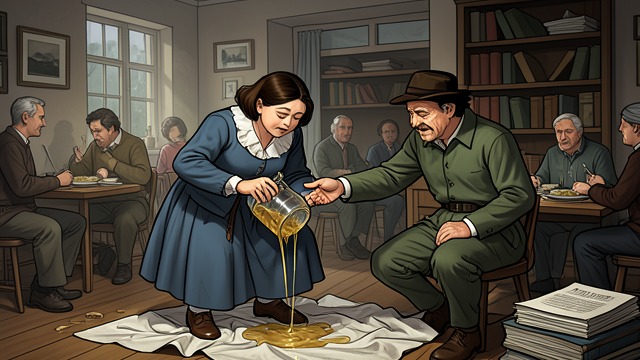
Domestic Skill
Failed Experiments
Margaret March struggles with jelly, cooking, unexpected guests, and household accounts. Domestic labor becomes comic because love alone cannot substitute for knowledge.
Shared Responsibility
John Brooke and Margaret March learn to divide work and forgive mistakes. Their home becomes stable when labor is treated as mutual care rather than feminine servitude.
Plumfield Labor
Work for Others
Educational Industry
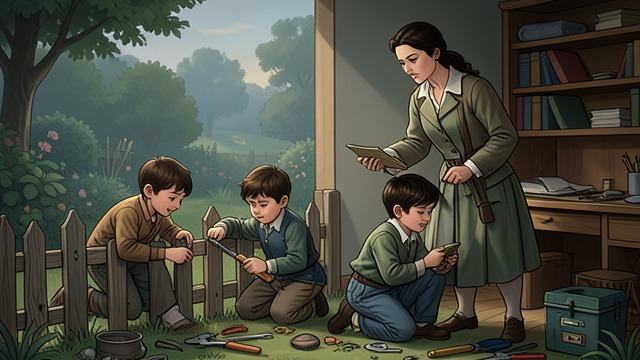
Josephine March and Friedrich Bhaer transform Plumfield into a school where boys garden, study, repair, and grow under affectionate discipline.
Fulfilled Purpose
The work is exhausting but joyous because it answers Josephine March’s deepest wish: to protect children from neglect and help them become useful adults.
the first winter
the first week of June
during Mrs. March’s absence
the first year at Dovecote
the final years
