Memory Erasure and New Memories
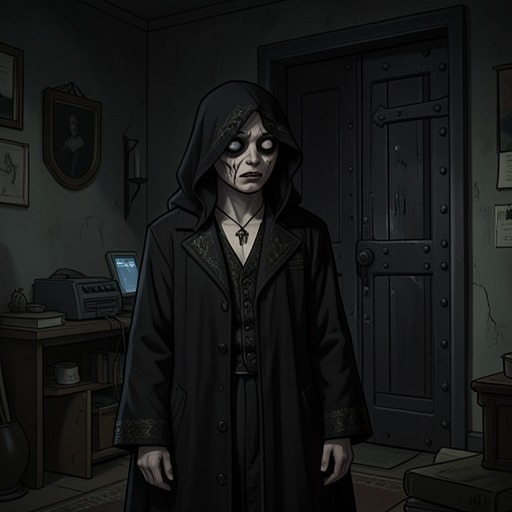
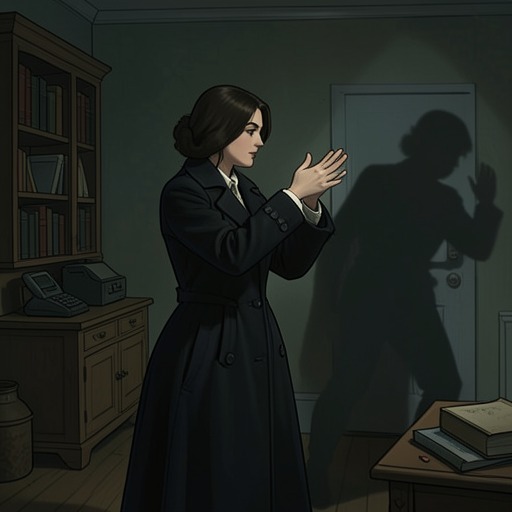
Living with 7 vampiresMemory Erasure and New Memories is the story’s decisive reset of identity, knowledge, and relationship. Assiah removes Y/N’s memories of the supernatural ordeal so that Y/N can return to an ordinary life, while refusing to manufacture replacement memories. The result is not a simple restoration: the past is deliberately made inaccessible, and the future must be built again through real experience.
Definition and Purpose
Memory erasure occurs after the conflict involving Gehan has been resolved and Y/N’s survival is no longer threatened by the immediate crisis. Assiah tells the others that Y/N will be all right because she has erased Y/N’s memory. The explanation establishes the act as a protective intervention rather than an accidental loss of consciousness. Assiah believes that remembering everything that happened would prevent Y/N from living the normal life she has always wanted for her.
Assiah’s decision also reveals her authority over Y/N’s past. She is identified as Y/N’s mother, and her protection takes the form of controlling what Y/N is allowed to retain. The procedure therefore carries both maternal care and profound coercion: Assiah chooses safety by removing the experiences through which Y/N has learned the truth about herself and the supernatural world.
What Is Removed
The erasure concerns the events that have drawn Y/N into the vampires’ world: violence, bodily danger, supernatural manipulation, and the revelation of her unusual nature. Earlier episodes repeatedly show memory and consciousness becoming unstable. Y/N reads from a diary after unlocking it with a key, returns to her room when a mirror disappears, and loses control when her head and eyes grow heavy. In other encounters, the lights return to a room occupied by a green-eyed shadow, or Y/N meets glowing green eyes before her life seems to leave her body. These recurring disruptions make memory less secure long before Assiah performs the final erasure.
The erased past also includes experiences that are physically marked on Y/N’s body. A vampire drinks her blood while she cries and screams with a hand over her mouth; an enormous water snake bites her leg; and a medical examination later finds numerous holes in her body, which Jin dismisses as injuries caused by a cat. The memory reset thus suppresses not only abstract knowledge but the history of fear, pain, blood, and violated trust attached to Y/N’s body.
Assiah’s Conditions
Assiah makes a crucial distinction between erasing memories and creating false ones. When the vampires ask whether Y/N will remember them, she answers that Y/N will not. She also explains that she cannot give Y/N false memories, because leaving an empty area in memory would itself be troublesome. The blank cannot be filled with an artificial story; it must remain a gap or be surrounded by experiences that genuinely occur afterward.
This condition determines the emotional shape of the aftermath. J-Hope worries that Y/N will no longer remember the group, while Suga asks whether there is still a way for them to be with her. Assiah answers that they must make new memories with Y/N. Their relationship cannot be restored by revelation, magical substitution, or a recovered record. It must be re-established through events Y/N actually experiences after the intervention.
Consequences and New Life
The vampires respond with visible distress because the erasure removes the shared history that bound them to Y/N. Their knowledge of the past remains, but Y/N’s participation in that past has been taken away. This creates an asymmetrical memory structure: the others remember what happened, while Y/N is expected to encounter them without conscious access to the danger, intimacy, and discoveries that preceded the reset.
The narrative later moves into a new life whose unexplained circumstances still seem strange to the narrator. The thought that it is strange how they ended up this way shows that the reset does not erase every trace of discontinuity from the story’s structure. The characters inhabit a calmer arrangement, but the route to it has become difficult to explain from Y/N’s altered perspective. Memory has been removed, yet the consequences of its removal remain visible in the shape of the new existence.
Ending and Significance
At the ending, the divided aspects of Y/N acknowledge that Gehan has returned to where he belongs and that the others are safe. Y/N then accepts that everything is all right and hopes that everyone can live peacefully, as her mother wanted. The final appeal to Assiah’s wish confirms the intended outcome of the erasure: peace is purchased through the loss of supernatural memory.
Memory Erasure and New Memories therefore functions as both healing and discontinuity. It protects Y/N from reliving a traumatic history, but it also prevents her from choosing what that history means and from remembering the relationships formed within it. The insistence on making new memories offers a limited form of repair: the past cannot be restored, but companionship can begin again without fabricated recollections. The concept’s central tension is consequently between protection and autonomy, and between the relief of forgetting and the cost of losing a life that was genuinely lived.