
Humbert's Inner Moral Conflict
LolitaTraces Humbert's internal struggle between his desires and his sense of guilt.
increasing Bearing strength in each event
 decreasing
Bearing strength in each eventdecreasingThe Rationalization
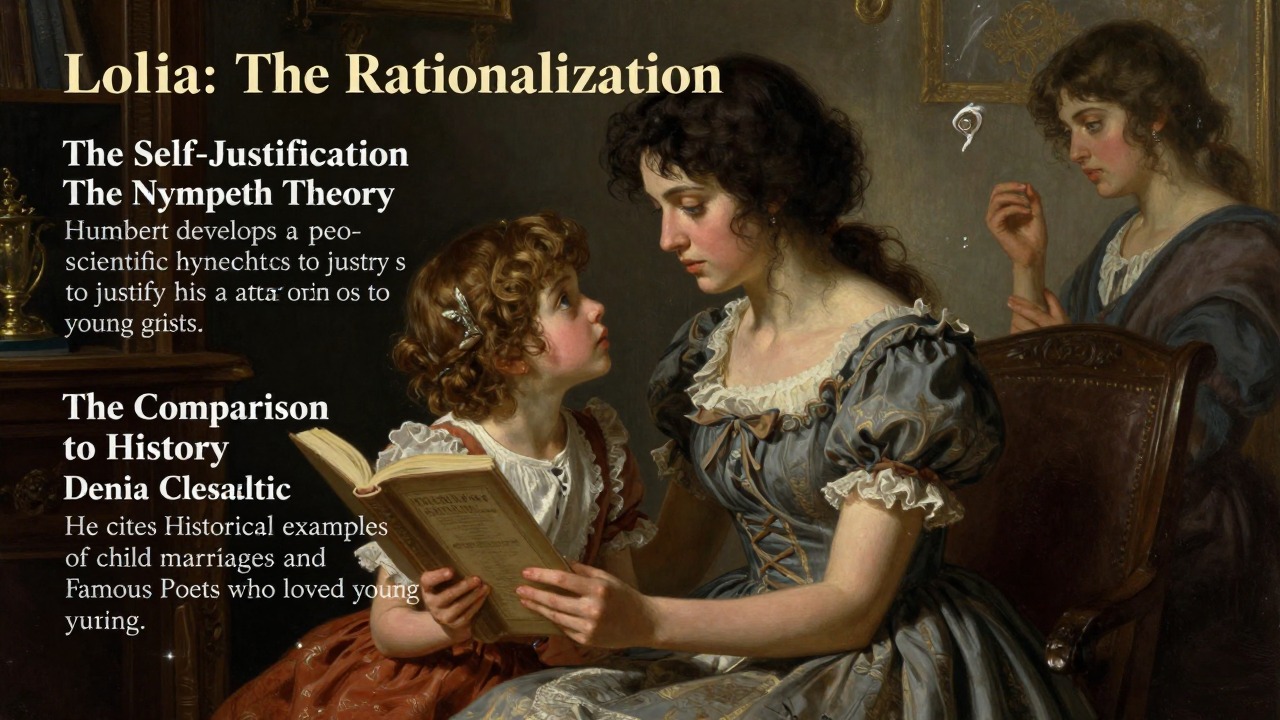
The Self-Justification
The Nymphet Theory
Humbert develops a pseudo-scientific theory of nymphets to justify his attraction to young girls. He sees himself as a special artist.
The Comparison to History
He cites historical examples of child marriages and famous poets who loved young girls.
The Denial
He convinces himself that he is not harming Lolita, that she is a willing participant.
The Moments of Remorse
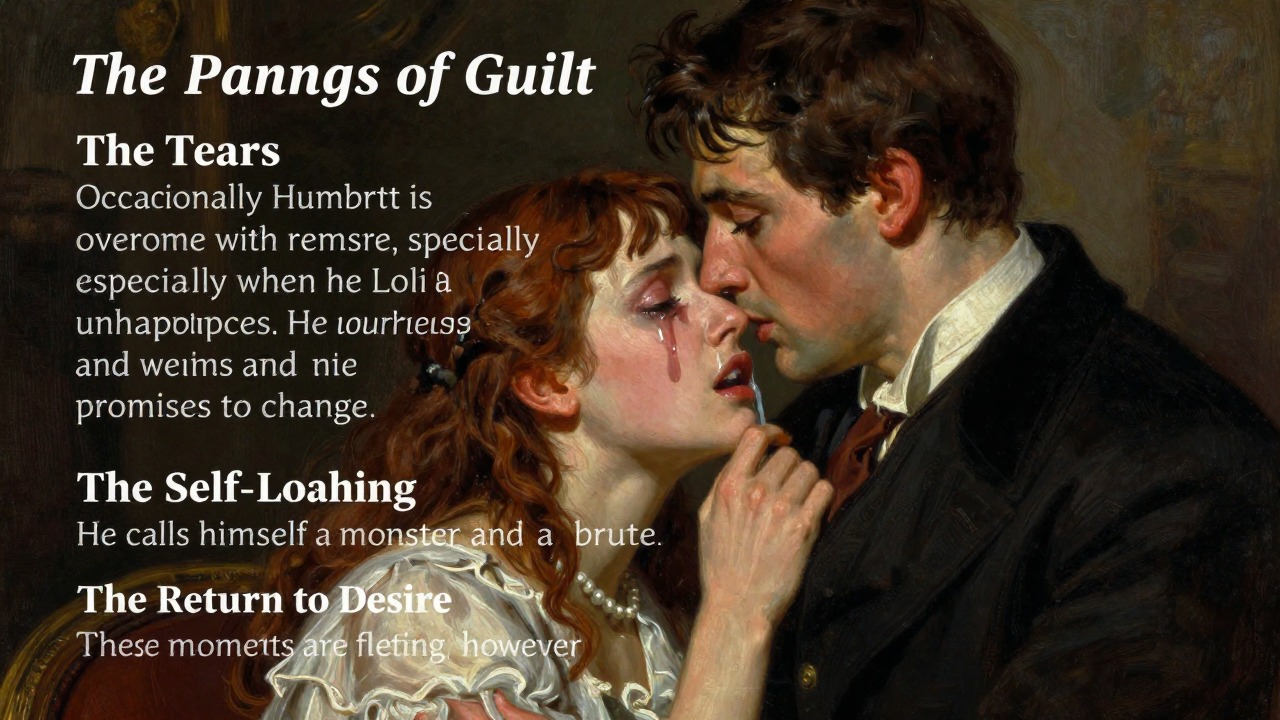
The Pangs of Guilt
The Tears
Occasionally, Humbert is overcome with remorse, especially when he sees Lolita's unhappiness. He weeps and promises to change.
The Self-Loathing
He calls himself a monster and a brute. These moments are fleeting, however.
The Return to Desire
His lust always reasserts itself, overriding his conscience.
The Final Reckoning
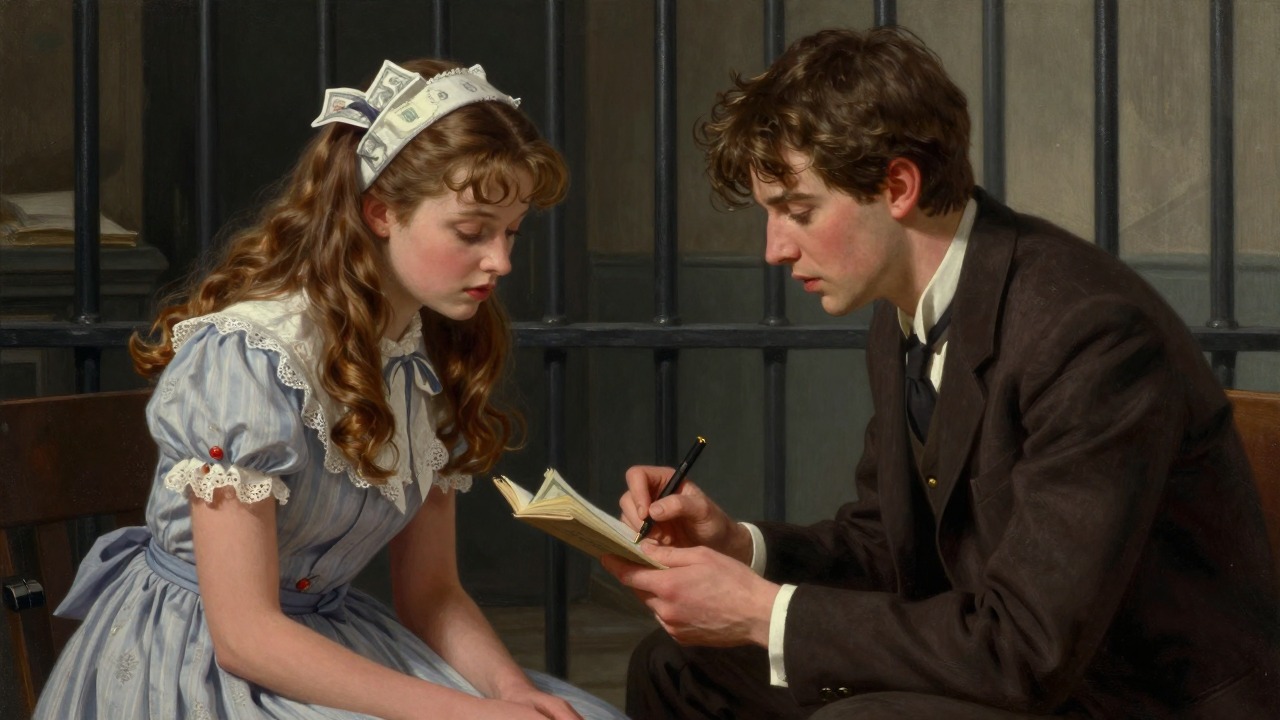
The Confession
The Visit to Lolita
Humbert sees Lolita for the last time. He realizes the depth of the harm he has caused. He offers her money but cannot undo the past.
The Writing of the Memoir
In prison, he writes his confession, trying to make sense of his life. He acknowledges his guilt but also seeks artistic redemption.
The Moral Lesson
He concludes that his love was selfish and destructive. The memoir is both a confession and a plea for understanding.
June 1947, in Ramsdale
1947-1948, during the road trip
September 1952, in Coalmont and after
