
Hammarskjöld’s Hidden Faith
LongingThis thread traces Dag Hammarskjöld’s private mystical life as it informs his public service and emerges after his death.
increasing Bearing strength in each event
 decreasing
Bearing strength in each eventdecreasingA Private Inheritance
A Private Inheritance
Duty and religion
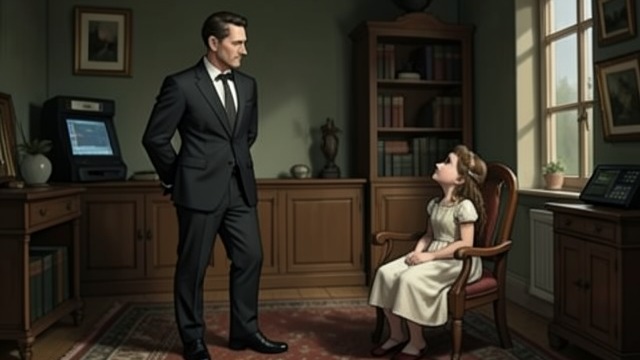
Hammarskjöld inherits a strong ethic of service from his father and a religious background from his mother.
Friends often assume he is agnostic.
An inward reserve
He keeps religious thought largely private, even as it shapes his developing sense of vocation.
Service as Vocation

Service as Vocation
A public career
Hammarskjöld advances through Swedish government and international economic work.
His professionalism expresses an ethic of service larger than private ambition.
Mystical foundations
He draws on Albert Schweitzer and medieval mystics to connect inner surrender with responsibility to others.
The Secretary-General’s Faith
The Secretary-General’s Faith
A public statement
In a radio interview, Hammarskjöld describes faith as union between God and the soul.
He explains that Christian belief became his own through reflection and choice.
A surprising disclosure
The statement reveals a spiritual seriousness that many colleagues had not suspected.
The Journal Revealed

The Journal Revealed
A hidden interior life
Markings is discovered after Hammarskjöld dies and published as a record of prayer, doubt, and vocation.
Some readers are startled by its religious intensity.
Public work reconsidered
The journal reveals that his diplomacy was grounded in a private discipline of surrender and inward attention.
A Room for Many Names

A Room for Many Names
A space of quiet
Hammarskjöld oversees the creation of a meditation room at the United Nations.
Its simplicity leaves room for people of different traditions to reflect.
A public form of inwardness
The project makes his universal spiritual outlook visible within an institution devoted to international affairs.
During Hammarskjöld’s upbringing in Sweden
From the 1930s into the early 1950s
After his election in 1953
After Hammarskjöld’s death in 1961
During his years at the United Nations Headquarters
