
The Inner Light in Quaker Life
LongingThis thread traces the Quaker conviction that God’s light is present within every person and shapes worship and social action.
increasing Bearing strength in each event
 decreasing
Bearing strength in each eventdecreasingFox’s Religious Search
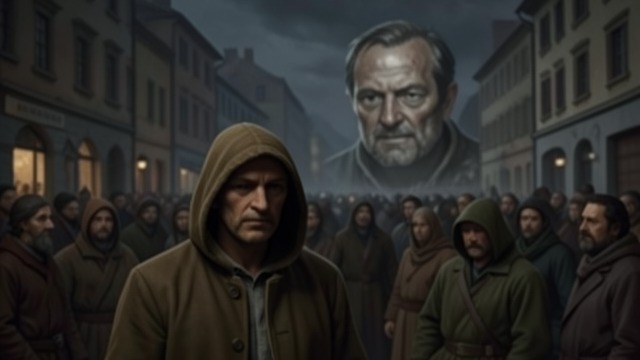
Fox’s Religious Search
Dissatisfaction with institutions
George Fox explores established churches and dissenting communities but finds none sufficient.
He seeks an inward encounter rather than a more elaborate outward form.
An emerging conviction
His experiences lead him to affirm that God can address people directly.
A Light in Every Person
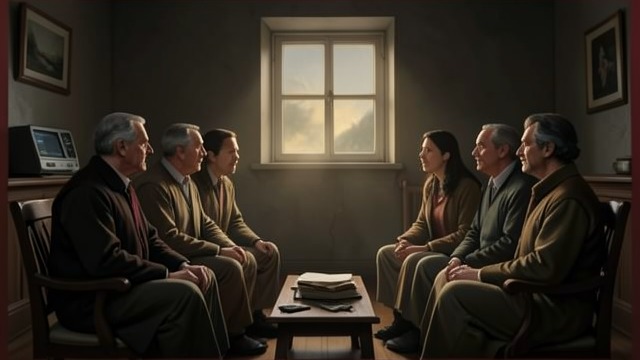
A Light in Every Person
A democratic spiritual claim
Quakers affirm that each person can receive divine illumination.
The claim challenges religious monopolies and established clerical authority.
A shared responsibility
If all may listen for God, each person must attend to the light and take its moral demands seriously.
Silence as Worship
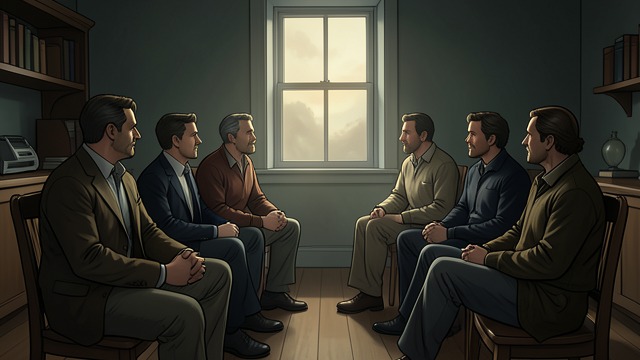
Silence as Worship
Waiting together
Quaker worship centers on silence and attentive listening for the Holy Spirit.
A participant may speak when inwardly moved.
A gathered community
The practice turns silence into shared worship rather than private isolation.
From Light to Service

From Light to Service
Inner conviction in public
Quakers connect their spiritual tradition with pacifism and humanitarian work.
The American Friends Service Committee becomes a visible expression of that commitment.
A living connection
The chapter refuses to separate contemplation from peace work and social service.
A Tradition Renewed
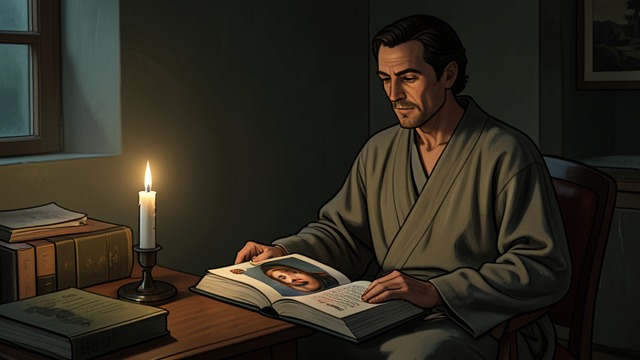
A Tradition Renewed
Experience as inheritance
Rufus Jones, Thomas Kelly, and Douglas Steere give modern expression to Quaker mysticism.
Their writing describes divine presence as a possibility for ordinary people.
Practice and consequence
The inward light is presented as a source of transformed character and public responsibility.
Mid-seventeenth-century England
As the Quaker movement takes shape
In Quaker meetings described in the book
During the twentieth century
In the lives of the twentieth-century Quaker writers
