
Alice and the Residents She Loves
Los renglones torcidos de DiosAlice’s response to residents shifts from fearful observation to personal affection and a wish to make their lives better.
increasing Bearing strength in each event
 decreasing
Bearing strength in each eventdecreasingFear Becomes Attention
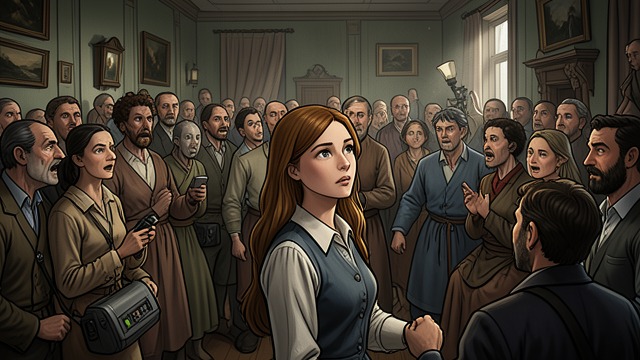
Looking at the Residents
Initial horror
The crowded hall overwhelms Alice with unusual bodies, gestures, and voices. She first sees a mass of frightening difference and feels the urge to look away.
An ethical correction
She reminds herself that the residents are human beings with histories, families, and needs. That inward admonition becomes the beginning of a more attentive, compassionate way of seeing them.
A Chosen Family
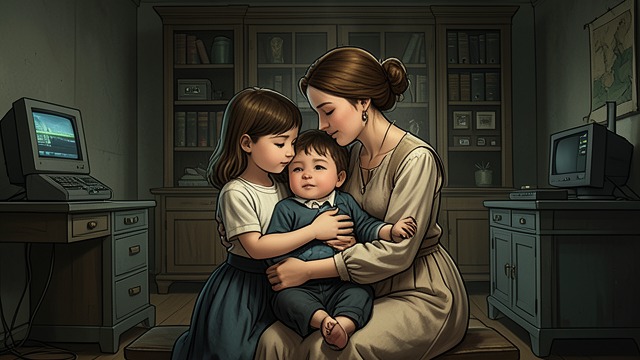
Motherhood in the Ward
Caring for the twins
Alice comforts Rómulo and the oscillating girl, whose dependence and gentleness awaken her longing to be a mother. Rómulo’s claim that she belongs to them makes the attachment both tender and painful.
A bond beyond diagnosis
She does not regard the children merely as clinical examples. Their affection gives her a sense of responsibility that survives her uncertainty about her own identity and mental condition.
A Return to Serve
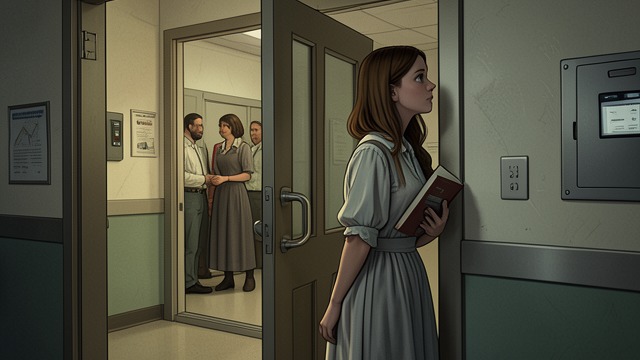
Compassion as Direction
The patients remain present
After leaving, Alice cannot stop thinking of the residents she did not properly say goodbye to. She imagines the work of helping them learn, communicate, and endure their illnesses.
A possible homecoming
Her return is framed as a choice to serve rather than a failure to escape. The people behind the hospital walls have become a community she may want to join by vocation.
The first morning in the central hall
During Alice’s growing friendship with Rómulo
During the drive back to Fuentecilla
