
The Patients’ Unlikely Solidarity
Los renglones torcidos de DiosResidents who can be isolated by illness also show moments of care, protection, and shared action that challenge the division between sane and mad.
increasing Bearing strength in each event
 decreasing
Bearing strength in each eventdecreasingCare Among Residents
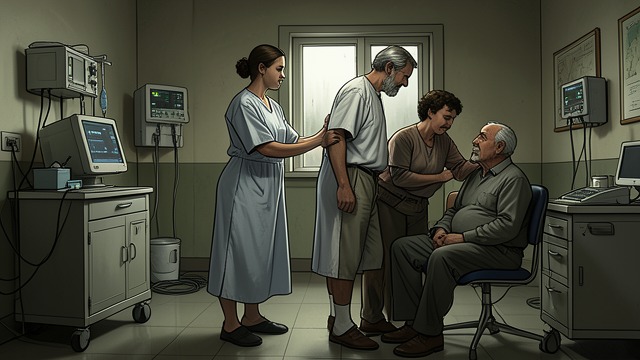
Patients Helping Patients
Small acts of support
Residents guide catatonic companions to meals, comfort Luis Ortiz, and protect one another from harassment. These actions occur alongside behavior that outsiders may find alarming or incomprehensible.
A community emerges
Alice sees that the residents are not only objects of treatment. They form relationships and routines of their own, often supplying forms of care that the hospital staff cannot provide alone.
A Murder and Its Witnesses
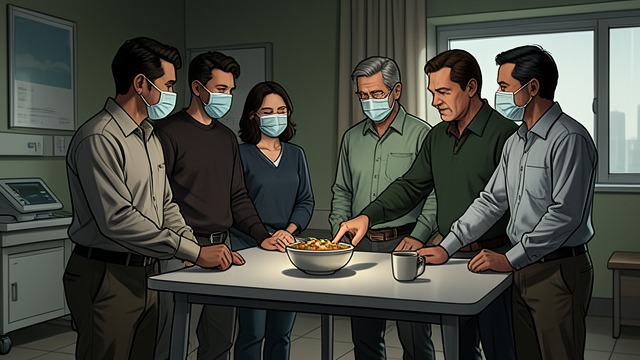
The Group Remembers
Confusion and testimony
Residents witness fragments of the outing’s panic and its aftermath. Their accounts are difficult to interpret, but Alice takes their behavior seriously instead of dismissing it as meaningless.
Protection through truth
The community’s knowledge helps distinguish actual perpetrators from staff and residents who have merely become suspects. Shared attention becomes a safeguard against an easy but false accusation.
An Outcast’s Place

Solidarity Without Idealization
Alice becomes a resident among residents
Her confinement shows that she can be treated as vulnerable even while she insists on being different. Patients’ support and curiosity help her endure isolation and institutional conflict.
Dignity remains complicated
The novel does not present the community as uniformly kind; residents can also bully, frighten, or harm one another. Its solidarity is real because it arises amid dependence and danger rather than outside them.
During Alice’s early days in the central hall
During the outing’s aftermath
After the hospital begins to reassess Alice
