
Religion and the Crooked Lines
Los renglones torcidos de DiosReligious images move from Alice’s philosophical conversations into a contested way of understanding suffering, error, and vocation.
increasing Bearing strength in each event
 decreasing
Bearing strength in each eventdecreasingA Moral Inheritance
Belief and Conscience
Faith acquired later
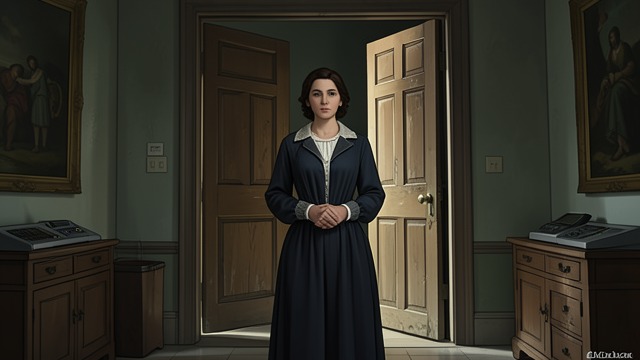
Alice says she was not religious as a child but later came to believe. She values dignity, duty, and care as moral obligations rather than merely inherited customs.
A humane standard
Her religious outlook is not a simple explanation for suffering. It makes her more sensitive to injustice, including the humiliating treatment of patients and the exploitation of her marriage.
Faith Tested by Suffering
Errors and Providence
A bleak metaphor
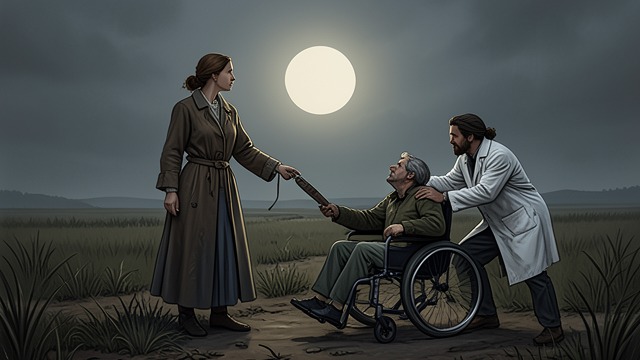
Sergio’s phrase that the mentally ill are God’s spelling mistakes haunts Alice because it gives cosmic language to visible suffering. She resists treating the residents as errors or as evidence of divine indifference.
A struggle to believe
Her faith does not protect her from grief, guilt, or confusion. Instead, it provides a language through which she can ask what care and justice require when explanations fail.
A Calling Reimagined
Vocation After Release
Montserrat’s example
Montserrat interprets her religious choice as being led by God, while Alice initially argues for practical service among patients. Their disagreement concerns the form of care, not the value of devotion.
Alice’s own direction
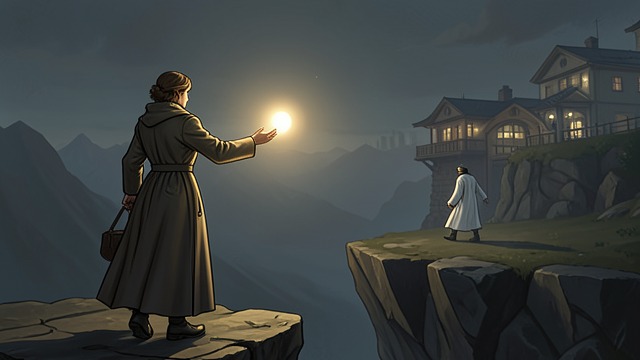
After leaving, Alice imagines returning as a helper and perhaps studying medicine. The religious image of being led by the hand becomes, for her, an invitation to choose a life of service.
During Alice’s interviews with Arellano
After Sergio Zapatero’s death
During Alice’s return toward Fuentecilla
