«La fobia como tapadera del trauma»
Los renglones torcidos de Dios«La fobia como tapadera del trauma» is Ignacio Urquieta’s explanation of his fear of water: he believes the phobia is a defense concealing a more terrifying event that he cannot remember. The expression matters because it makes the symptom both visible and opaque. Water produces unmistakable physical distress, yet, in Ignacio’s account, the fear also prevents him from reaching whatever he thinks lies beneath it.
The Expression and Its Claim
Ignacio describes the phobia not as the original terror but as a substitute created by the unconscious to hide one. In his theory, something happened in the past that he does not know, and his parents and friends do not know either. The phobia acts as a covering: it keeps him from learning, knowing, or remembering the unnamed event. His explanation therefore distinguishes the manifest fear of water from a presumed underlying cause, while insisting that even the person experiencing the symptom cannot directly access that cause.
The distinction remains a hypothesis voiced by Ignacio, not a confirmed revelation about his past. He says he has read books and heard explanations, and believes his unconscious is withholding something from both him and the doctors. The passage offers no recovered memory or identified traumatic incident to settle the question. Its central uncertainty is built into the expression itself: the phobia is presented as evidence that something is hidden, but the supposed hidden event remains unknown.
Bodily Evidence and Reversal
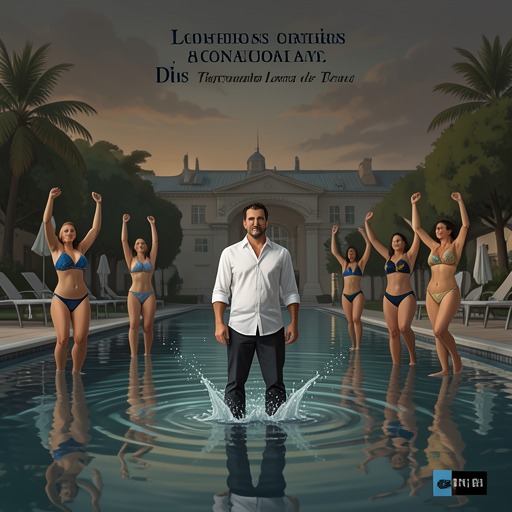
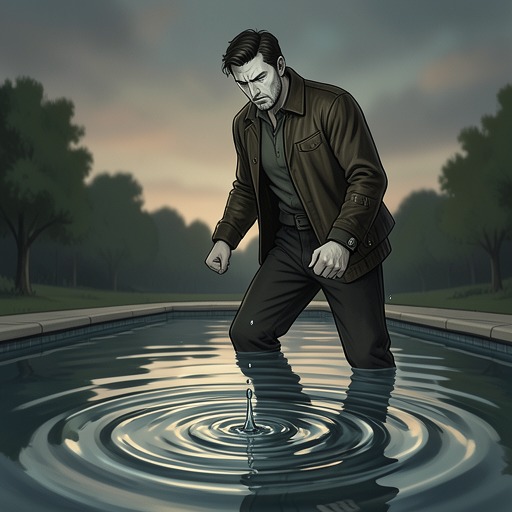
The theory is set against a striking contrast in Ignacio’s history. He had been a provincial champion in Olympic diving at eighteen, but at thirty he suddenly fainted at the sight of a glass of water. He also collapsed as if dead while showering and developed ulcers at the sound of water falling into a toilet. These concrete episodes make the phobia more than an abstract interpretation: ordinary encounters with water provoke disabling bodily reactions, even though diving had once been part of his life.
The change is especially sharp because Ignacio recalls no warning or prior history that would explain it. His former athletic relationship with water and his later inability to face even a glass of it do not reveal the cause; instead, they sharpen the gap between what his body does and what he can remember. The expression gives that gap a possible shape, but does not close it.
Consequences and Narrative Function
For Ignacio, the consequences extend beyond particular encounters with water. He describes himself as unable to pursue a profession, sustain family life, or manage social relations. His explanation thus connects a specific phobia to a much wider loss of agency, while presenting the search for its hidden cause as a condition of possible recovery. He asks to be told when that cause is discovered, but the passage does not provide such an answer.
In conversation, Alice Gould says she knows the phobia through its effects because she has seen Ignacio experience them, and that those effects made a vivid impression on her. Her response recognizes the force of the visible symptoms without confirming his account of their origin. The expression consequently holds two forms of knowledge apart: the observed bodily crisis and Ignacio’s interpretation of what it conceals. Its narrative force comes from that unresolved tension, not from a disclosed trauma.