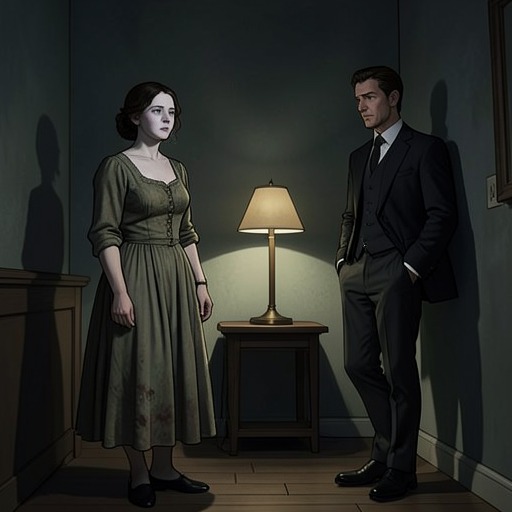
Alice Gould's Authorization to Sell Her Properties
Los renglones torcidos de DiosAlice Gould's Authorization to Sell Her Properties was the instrument Heliodoro Almenara exploited to dispose of Alice's land and houses while she received none of the money. Its significance lies in the gap between the sale Alice authorized and the wider use Heliodoro made of that authority: property transactions became a means of appropriating her wealth and pursuing her inheritance.
Purpose and Scope
The authorization initially concerned an estate Alice owned in La Mancha. Heliodoro sold it with her permission, but Alice never saw a cent from the sale. The authorization's reach extended further: he used the powers given for the sale of those lands to sell two houses Alice owned in England, though she had not authorized those separate transactions.
One of the English houses had particular family significance because it was where Alice's father, Harold Gould, had been born. The sales therefore implicated not only Alice's assets but also a place connected to her father's life and legacy.
Exploitation and Concealment
María Luisa Fernández recounts that Alice may not have known what Heliodoro had done with the English houses; alternatively, she may have known and never spoken of it. The evidence leaves Alice's awareness unresolved. What it establishes is that she received no proceeds from the La Mancha estate and that the authority associated with its sale was used to sell the English properties as well.
The authorization formed part of a broader pattern of financial appropriation. Alice responded to Heliodoro's conduct by separating their bank accounts and bedrooms, but did not take further measures at that time. María Luisa describes the contrast between the gravity of the losses and Alice's apparent lack of response as striking; the account does not establish that the authorization itself explains her behavior.
Earlier Forgery and the Inheritance Scheme
In discussing how Heliodoro sought control of Alice's assets, María Luisa also recalls an earlier occasion on which he forged Alice's signature to sell property she owned in England. She explains that if this had come to light, a court would have appointed a judicial guardian for Alice, preventing Heliodoro from taking control of the inheritance left by Harold Gould. Rather than risk that outcome, he chose the simpler route of seeking Alice's admission to the hospital, relying on E. Donadío's provisional diagnosis.
The account distinguishes that earlier forgery from the later misuse of the powers granted for the La Mancha sale. Together, the episodes show why the authorization matters beyond a single property transaction: it sits within a series of attempts to convert Alice's legal and financial vulnerability into access to her estate and inheritance.