Primavera
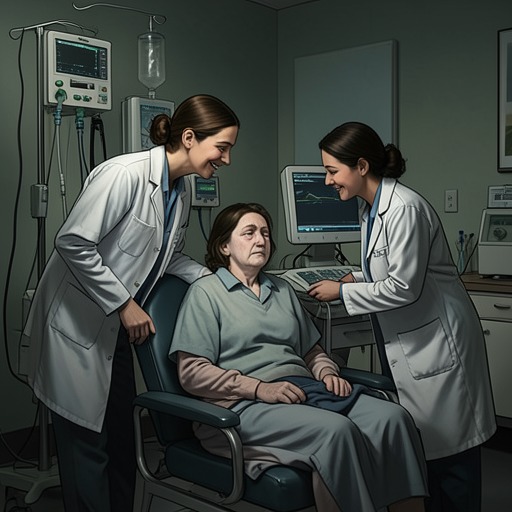
Los renglones torcidos de DiosPrimavera marks a recurring seasonal pressure point in the sanatorium. Rather than serving only as a calendar backdrop, spring is associated with renewed symptoms among some residents and a heavier clinical workload, while Charito Pérez’s history gives that pattern an individual, recurring form.
Seasonal Pattern
The narrative links the arrival of warmer weather with a rise in psychiatric crises. As the heat sets in, schizophrenic episodes multiply, manic states flare, and sexual disturbances, visions, obsessions, hallucinations, and delusions become more prominent. The clinicians are already short-handed, and César Arellano is absent, so the seasonal increase is felt not only through patients’ relapses but also through the strain on the hospital’s capacity to respond.
Charito Pérez’s Relapses
Charito Pérez’s illness follows a particularly clear seasonal cycle: spring and summer are difficult periods for her, when her manic psychosis reappears, while for the rest of the year she is described as normal, restrained, and disinclined to cause disturbances. Her first psychotic episode came unusually late, at sixty-one. Four years passed before the second, then two before the next; thereafter, the intervals between outbreaks grew shorter. César Arellano fears that the relapses may continue to become more frequent, though the account does not establish their eventual course.
Narrative Significance
Primavera therefore works as both a seasonal marker and a sign of recurrence. The hospital’s changing atmosphere with the warmer weather broadens Charito’s personal pattern into a collective one: symptoms return, intensify, and demand attention just as clinical resources are stretched. The contrast between her relative quiet through much of the year and her recurring spring-and-summer episodes makes the season a concrete measure of how psychiatric time in the institution can be cyclical rather than steady.