
Solitude and the Need for Love
Love in the Time of CholeraThis flow follows the characters’ different responses to loneliness and their search for companionship.
increasing Bearing strength in each event
 decreasing
Bearing strength in each eventdecreasingFlorentino’s Private World

Florentino’s Private World
Solitude inhabited
Florentino Ariza spends long hours reading, writing, and watching for Fermina Daza, treating private feeling as a life of its own.
Connection sought indirectly
His letters give him a means of reaching another person without risking the vulnerability of ordinary conversation.
The Lighthouse Refuge

The Lighthouse Refuge
A place to watch
Florentino Ariza spends time at The Lighthouse, where he observes ships and finds shelter from disappointment.
Loneliness given form
The beacon’s repeated light becomes an image of his persistence, carrying a private signal across distance without guaranteeing a reply.
A Household Without Its Doctor
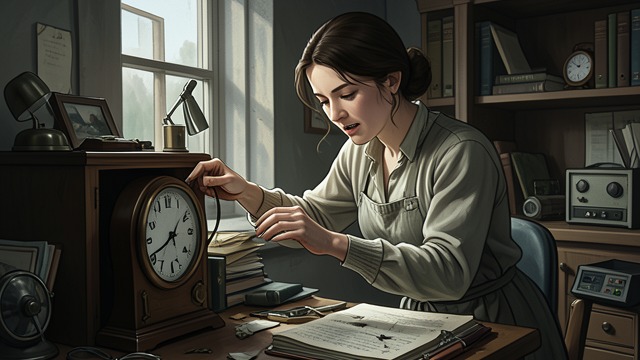
A Household Without Its Doctor
Absence everywhere
Fermina Daza encounters Juvenal Urbino’s presence in ordinary objects and habits after he dies.
Widowhood felt in the body
Her grief is not a single event but a repeated discovery that the person who organized her days is missing.
Letters Against Loneliness

Letters Against Loneliness
A companion at a distance
Florentino Ariza’s meditations give Fermina Daza language for feelings she had struggled to organize.
A new kind of contact
Their correspondence reduces solitude without requiring immediate romantic agreement.
Company on the River

Company on the River
Shared hours
Fermina Daza and Florentino Ariza pass days together through conversation, meals, music, and small acts of care.
Loneliness softened
Their companionship becomes valuable before they know whether desire will return, making presence itself a form of love.
During his first years of rejected love
After the failed treasure expeditions
After Juvenal’s death
During the first year of widowhood
During the extended voyage
