
The City’s Unfinished Modernization
Love in the Time of CholeraThis flow follows the colonial city’s decay and the competing impulses to modernize, preserve, and deny its condition.
increasing Bearing strength in each event
 decreasing
Bearing strength in each eventdecreasingA City of Two Worlds
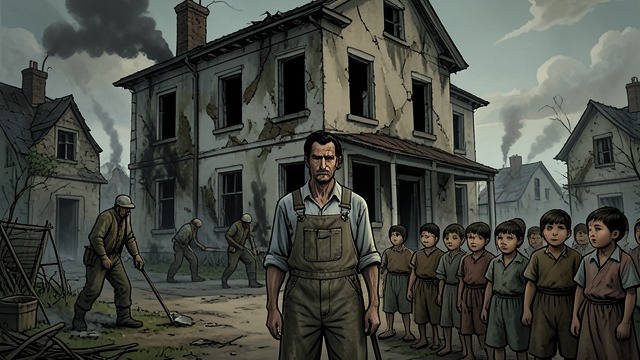
A City of Two Worlds
Ruins and inequality
Juvenal Urbino returns to a city of decaying mansions, open sewers, and crowded poor districts.
Nostalgia corrected
The reality of home challenges the idealized city he carried with him from Europe.
Public Health Crisis
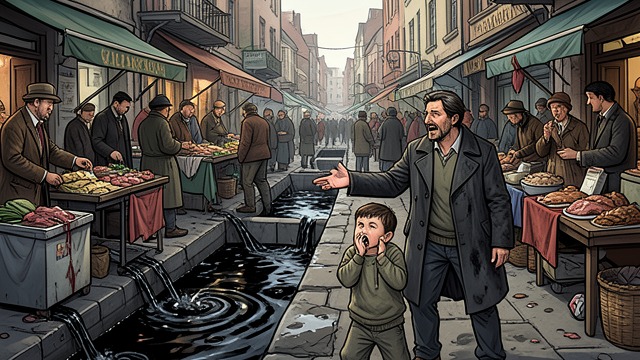
Public Health Crisis
Daily hazards
Unsafe water, waste, and a filthy market expose residents to disease long before an epidemic begins.
Reform resisted
Juvenal Urbino’s proposals collide with entrenched custom and the indifference of those insulated from the worst conditions.
A Market Reimagined
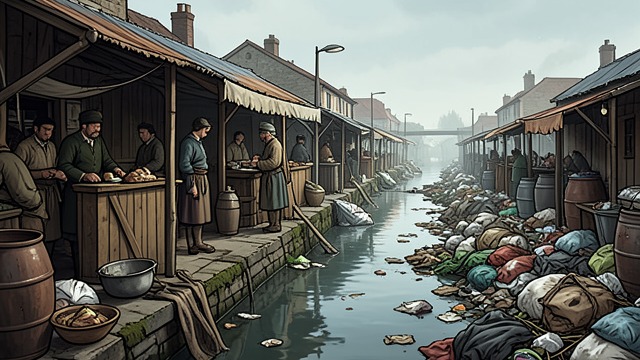
A Market Reimagined
Cleanliness as public work
Juvenal Urbino campaigns for a covered market and improved waste systems to replace the dangerous waterfront conditions.
Civic ambition
His plans reveal how medical responsibility expands into architecture, government, and collective life.
A Balloon Above the City
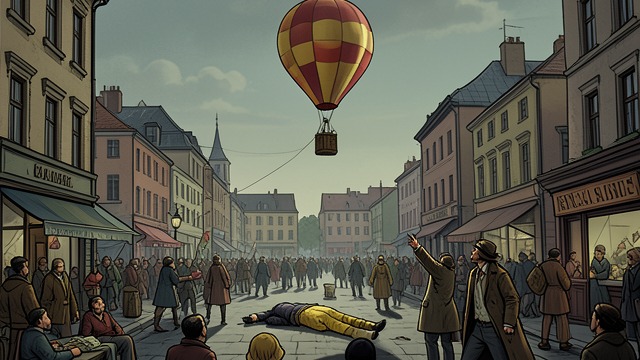
A Balloon Above the City
Modernity performed
Juvenal Urbino organizes an inaugural balloon mail flight, presenting technological novelty as civic progress.
A darker view
From above, the expedition sees dead bodies in the banana region, undermining the celebratory story of advancement.
Progress Without Repair
Progress Without Repair
New machines, old damage
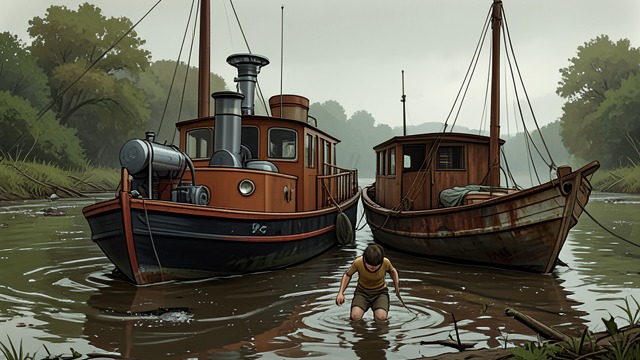
Riverboats and modern transport coexist with ecological ruin, persistent poverty, and authorities that conceal violence and disease.
The city’s unfinished future
The novel’s later journeys show that modernization has changed appearances without resolving the conditions that made the city vulnerable.
When Juvenal Urbino returns from Europe
During Juvenal’s first years back
After the cholera outbreak is contained
At the turn of the twentieth century
During the late river voyage
