
Marriage as Daily Reconstruction
Love in the Time of CholeraThis flow explores the novel’s idea that marriage is repeatedly rebuilt through compromise, care, and shared routine.
increasing Bearing strength in each event
 decreasing
Bearing strength in each eventdecreasingA Stranger in Bed
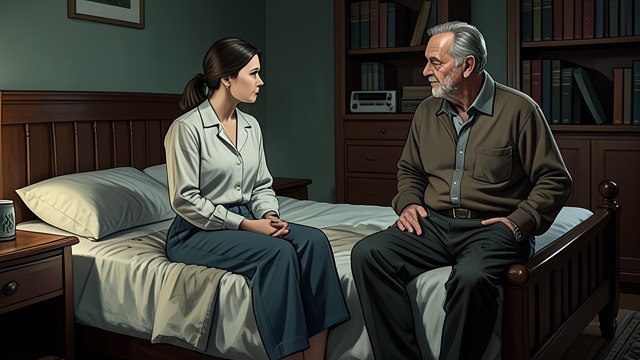
A Stranger in Bed
Fear and patience
Fermina Daza enters marriage afraid of intimacy, while Juvenal Urbino talks and waits rather than forcing a single outcome.
A beginning negotiated
Their early physical closeness grows through curiosity and mutual adjustment, establishing a pattern of love learned over time.
The Soap Quarrel
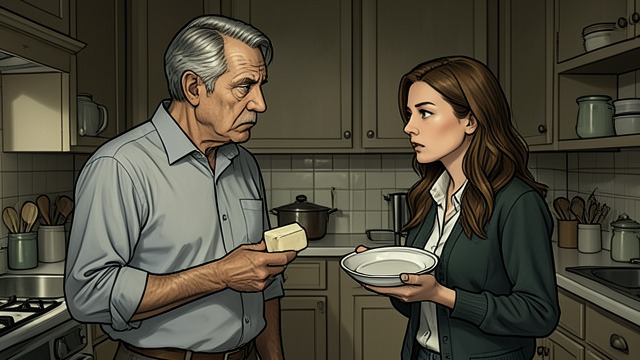
The Soap Quarrel
A small fault magnified
A dispute over missing soap expands into a prolonged estrangement because neither spouse can accept the other’s version of events.
The marriage tested
Their most serious rupture grows from ordinary habit, not a grand betrayal, revealing how daily life can wound enduring affection.
The Apology in Bed

The Apology in Bed
A small concession
Juvenal Urbino asks to stay in the shared bed and admits there was soap.
Peace restored
The admission does not settle every old grievance, but it lets the couple resume their common life without pretending conflict never happened.
The Daily Service

The Daily Service
Care repeated
Fermina Daza chooses her husband’s clothes, helps him dress, and manages the small needs his age brings.
Love embodied
Their marriage appears not as constant passion but as accumulated attention to another person’s routines and vulnerabilities.
The Stable Bond

The Stable Bond
Happiness reconsidered
Fermina Daza and Juvenal Urbino remember years containing both affection and arguments, without reducing their marriage to either.
Stability acknowledged
Their shared life suggests that a good marriage may depend less on uninterrupted happiness than on the willingness to rebuild it.
During the first night of the honeymoon
After nearly thirty years of marriage
After several months of silence
During their later years together
After the children grow up
