
The Widow’s Conflict with Public Judgment
Love in the Time of CholeraThis flow follows Fermina Daza’s struggle to defend her independence against grief, family, and social respectability.
increasing Bearing strength in each event
 decreasing
Bearing strength in each eventdecreasingThe House Emptied
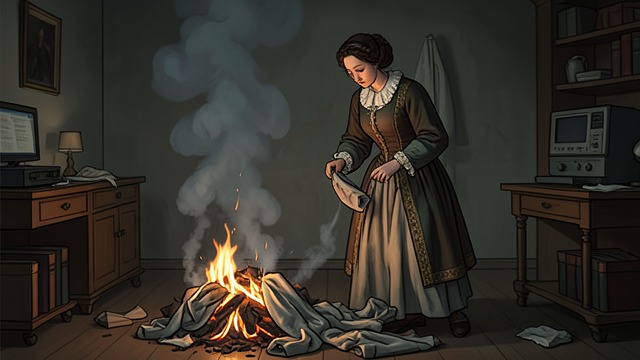
The House Emptied
Grief acted out
Fermina Daza burns Juvenal Urbino’s clothes and removes objects that make his absence unavoidable.
An incomplete liberation
The ritual gives her room to breathe, but memory survives the destruction of possessions.
A Return to Correspondence

A Return to Correspondence
Letters read privately
Fermina Daza reads Florentino Ariza’s reflections on life and grief, finding them useful despite the anger she still feels toward him.
A cautious opening
She recognizes that his written voice has changed and permits contact without promising romance.
The Family Accusation
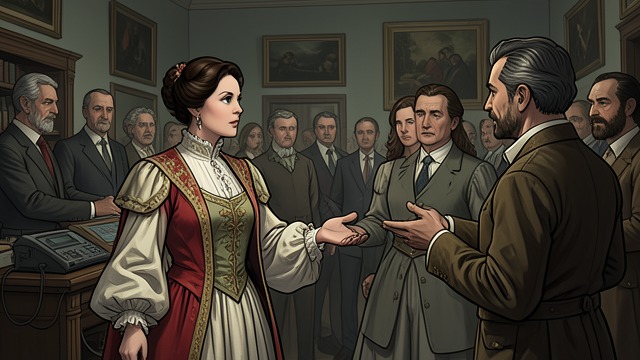
The Family Accusation
Respectability enforced
Ofelia Urbino condemns Fermina Daza’s friendship with Florentino Ariza as indecent for their age.
Authority reversed
Fermina expels her daughter, refusing to let family prejudice dictate whom a widow may receive.
The Choice to Travel
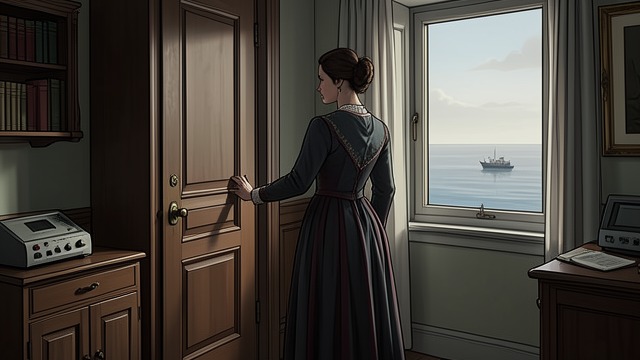
The Choice to Travel
Escape imagined
Fermina Daza says she wants to walk out of the house and never return, prompting Florentino Ariza to suggest a boat.
Autonomy exercised
She considers the voyage on her own terms and rejects the idea that age or widowhood must confine her.
Love Made Public by a Flag

Love Made Public by a Flag
Secrecy becomes a spectacle
The cholera flag causes authorities to question the ship, exposing the couple’s unusual arrangement to institutional scrutiny.
A private choice defended
Fermina Daza and Florentino Ariza continue upriver rather than surrender their chosen life to social expectations.
The first weeks after Juvenal’s death
During the first year of widowhood
After Ofelia arrives from New Orleans
After Fermina says she wants to leave home
On the return voyage near Cartagena
